
Want a budget dumbbell workout that builds muscle without a pricey gym membership or a bulky rack? A single pair of dumbbells can do the trick. With a bit of planning you can hit every major muscle group in one session, anywhere—from your living room to a hotel room or a park bench. This guide walks you through a full‑body routine that’s easy to follow, budget‑friendly, and scalable as you get stronger.
Most people think you need heavy barbell sets or a full gym to see gains. That’s a myth. Dumbbells give you freedom, versatility, and a low cost of entry. They’re lightweight enough to move around, yet heavy enough to challenge your muscles. And because you’re doing a full‑body circuit, you’ll maximize calorie burn while building lean mass—great for anyone on a tight budget who wants results fast. A budget dumbbell workout is perfect for anyone watching their wallet while chasing results.
Ready to turn a single set of dumbbells into a powerhouse? Let’s dive in.
Choosing the Right Dumbbells for a Budget Dumbbell Workout
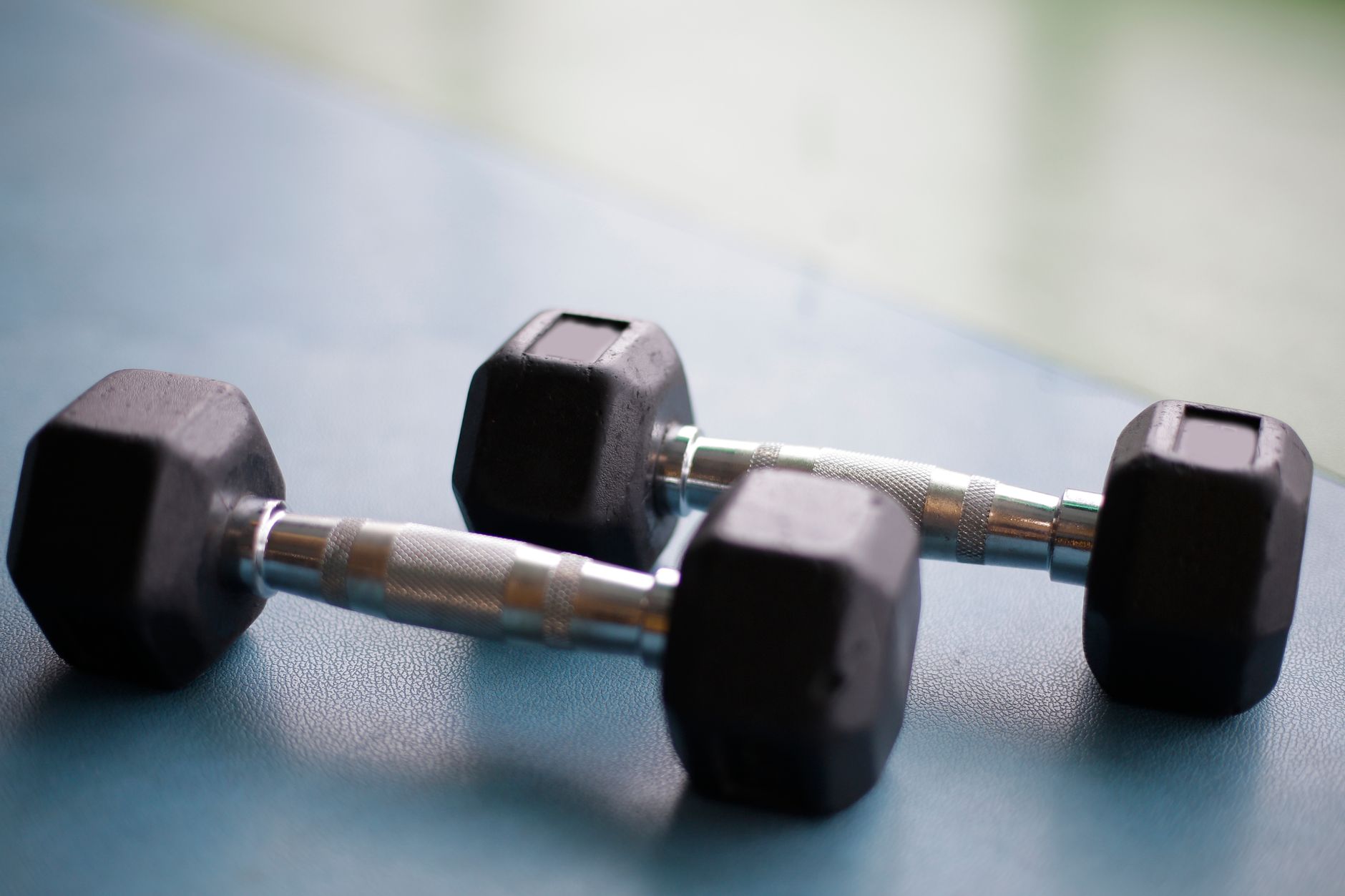
Before you lift, pick a pair that lets you progress. If you can’t afford a full rack, adjustable dumbbells are a smart investment. A 20‑to‑50 lb range covers most exercises for beginners and intermediate lifters. If you’re still saving, start with two 15‑lb or 20‑lb dumbbells and use a weighted backpack for added resistance. These tips help you create a budget dumbbell workout that grows with you.
Space matters. Clear a 10‑by‑10‑foot zone, put a mat or towel on the floor, and keep a wall or sturdy chair nearby for support during moves like the bent‑over row. If you’re on a couch or a bench, make sure the surface is stable. Safety first—no slipping, no overreaching.
Tip: Keep a small journal or use a free app to log the weight and reps you hit each session. That way you can see progress and know when it’s time to bump the load.
The Full‑Body Circuit: 6 Core Exercises
Each exercise targets a major muscle group. Perform the circuit 3–4 times with 60–90 seconds of rest between rounds. If you’re new to weight training, start with 12–15 reps per set. As you grow stronger, drop to 8–10 reps and add weight.
- Goblet Squat – Hold one dumbbell close to your chest, feet shoulder‑width apart. Squat down until thighs are parallel to the floor, then rise. This engages quads, hamstrings, glutes, and core. Keep your chest up and elbows tucked.
- Renegade Row – Drop into a plank with a dumbbell in each hand. Row one weight up, keeping hips level, then switch sides. This works the back, shoulders, and stabilizing core. If the plank feels too tough, do the row from a kneeling position.
- Dumbbell Bench Press (or Floor Press) – Lie on a bench, mat, or floor. Press the dumbbells up until arms are straight, then lower slowly. This trains the chest, triceps, and front delts. If you don’t have a bench, a sturdy chair or a stack of books works.
- Single‑Arm Romanian Deadlift – Hold one dumbbell in the right hand. Hinge at the hips, lowering the weight toward the floor while keeping a slight bend in the knees. Return to standing. Switch hands after completing the set. This isolates the hamstrings and glutes.
- Overhead Press – Stand or sit, press the dumbbells from shoulder height to overhead. This works the shoulders, upper chest, and triceps. Keep a neutral spine and avoid arching your lower back.
- Russian Twist with Dumbbell – Sit on the floor, knees bent, feet hovering. Lean back slightly, hold one dumbbell with both hands, and twist from side to side. This targets obliques and the entire core.
When you finish the circuit, you’ll feel a full-body burn and have stimulated all major muscle groups. If you’re short on time, do two rounds with 45 seconds of rest. If you’re a pro, add a fourth round or increase weight.
Progression, Tracking, and Keeping It Fresh
Progressive overload is the engine of muscle growth. Two simple ways to add load without buying new equipment:
- Tempo changes – Slow the eccentric (lowering) phase to 3–4 seconds. This increases time under tension, making the same weight feel heavier.
- Volume adjustments – Add an extra set or increase reps by 2 each week. Even a 1‑rep bump can shift the stimulus.
Track each session in a notebook or a free app like MyFitnessPal or Strong. Write down the weight, reps, and any notes on form or fatigue. When you notice a plateau, switch up the order of the exercises or swap one move for a similar alternative (e.g., replace goblet squat with sumo squat). For more workout tips, visit more workout tips. According to Harvard Health, regular strength training improves metabolism and overall health.
Keep the routine exciting by adding variations: change the grip (neutral vs. pronated), try a single‑leg version of the squat, or incorporate a pause at the bottom of each rep. Small changes keep the nervous system guessing and muscles adapting.
Doing a Budget Dumbbell Workout Anywhere: Home, Office, Travel, Outdoors
One of the biggest perks of a dumbbell routine is portability. Here’s how to keep it going no matter where you’re at:
- Home – Use a mat or towel, a sturdy chair, and a small corner. The floor press and goblet squat need space, but you can do them in a hallway or a spare bedroom.
- Office – Bring a pair of light dumbbells to the break room. Do a quick 10‑minute circuit during a lunch break. The bench press can be replaced with a seated chest fly on a chair.
- Travel – Pack a pair of 10‑lb adjustable dumbbells in your suitcase. Hotels often have a small gym, but you can also do the circuit on a hotel room floor or a hotel bed (for the floor press).
- Outdoors – A park bench becomes a bench press surface, and a sturdy tree or railing can support a plank row. If you have a backpack, add weight to the goblet squat.
A budget dumbbell workout can be performed anywhere, from home to the office, and still hit each muscle group effectively. Even if you’re limited to a single dumbbell, you can still hit each muscle group. Alternate sides for each exercise, and you’ll still get the same volume.
Common Mistakes and How to Fix Them
Even