
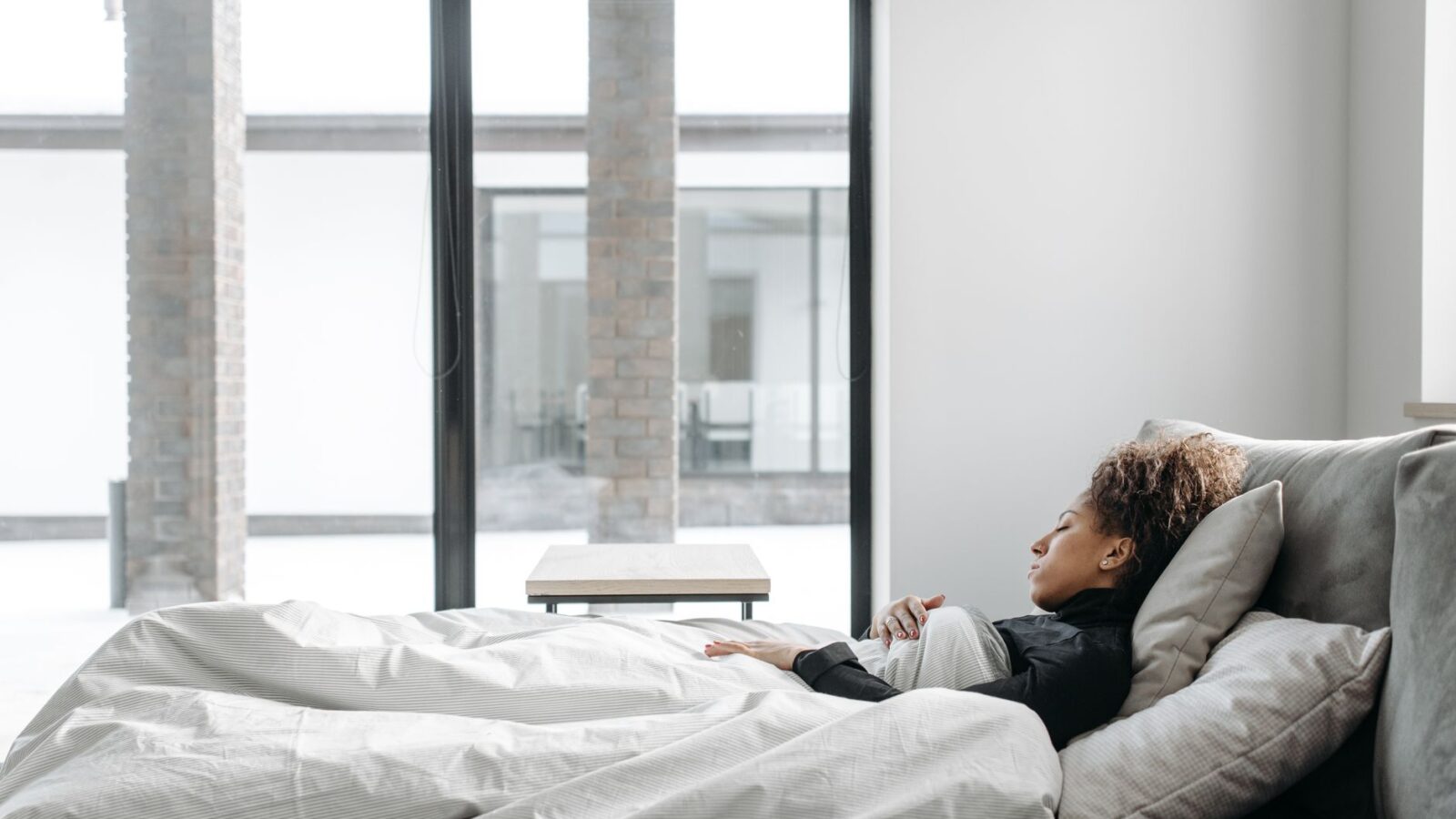
When you’re just starting out on a muscle‑building journey, you’ll quickly learn that sleep for muscle growth isn’t just a bonus—it’s essential. Your body is a complex machine that needs fuel, time, and a lot of rest to turn the stress of a workout into new muscle fibers. If you’re on a tight budget, you might think cutting a few hours off your sleep to fit in extra training sessions is a smart move. Think again.
Sleep for muscle growth is the secret sauce that turns protein and weight training into real, visible muscle. Without adequate rest, you’ll hit a wall where your gains stall, your energy dips, and the risk of injury rises. And because you’re just starting, the body’s response to training is especially sensitive to how well you recover. The question every beginner asks is: How much sleep do I actually need to build muscle? The answer isn’t a one‑size‑fits‑all number, but it can be broken down into a simple framework that fits any budget.
Below, we’ll dig into the science, give you a clear hour range, and share inexpensive ways to get the rest you need to see real muscle growth.

1. The Science of Sleep for Muscle Growth
Muscle growth doesn’t happen during the lift; it happens while you’re catching z’s. That’s because the body’s anabolic processes—those that build and repair tissue—are most active during the deeper stages of sleep. Understanding how sleep for muscle growth works helps you prioritize rest. Let’s break it down.
- Growth Hormone Release – The body secretes growth hormone (GH) mainly during slow‑wave sleep, the deepest, most restorative phase. GH sparks protein synthesis, stimulates satellite cell activity, and drives the repair of microtears created during resistance training.
- Protein Synthesis Rate – Studies show that post‑exercise protein synthesis peaks during the first 24 hours after a workout and is amplified when you’re in a sleep cycle that includes several deep sleep stages.
- Catabolic Hormone Reduction – Cortisol, the stress hormone that can break down muscle tissue, drops significantly during sleep. High cortisol levels during the day can counteract the anabolic effects of training.
- Immune Support – Adequate sleep strengthens your immune system, reducing the likelihood of sickness that could derail your workout schedule.
According to Harvard Health, consistent quality sleep is one of the most important factors for muscle repair and growth.
In short, sleep is the engine that powers the muscle repair cycle. Even if you’re eating the right amount of protein and hitting the gym hard, a lack of rest can blunt those gains. That’s why the sleep‑muscle relationship is a top priority for anyone serious about building lean, strong tissue.
2. How Many Hours of Sleep for Muscle Growth Do You Really Need?
The “ideal” number of sleep hours often gets oversimplified to “seven hours.” However, research suggests a more nuanced approach based on age, training intensity, and individual variability. Here’s a practical framework to guide you.
General Guidelines
- 18‑25 years old – 7–9 hours per night is the sweet spot for most people. If you’re a beginner lifting light to moderate weights, 7 hours can be enough; if you’re pushing heavy or training multiple times a day, aim for 8‑9 hours.
- 26‑35 years old – 7–8 hours. As we age, the proportion of deep sleep can decline, so you may need to prioritize quality over quantity.
- 36‑50 years old – 7–8 hours. Muscle recovery slows, so staying within this range helps maintain growth momentum.
- 50+ years old – 7–9 hours. The body’s anabolic response can be less efficient, so extra rest can be a budget-friendly way to keep gains steady.
These ranges are averages. Some people thrive on the lower end if they maintain high sleep quality, while others need the upper end. A good way to gauge if you’re getting enough rest is to check your energy levels, training performance, and how quickly you recover from soreness. If you’re still feeling drained after a workout or noticing a decline in strength, it’s time to add a bit more sleep.
Quality vs Quantity
It’s not just about the number of hours. A 7‑hour night of fragmented sleep that never reaches deep stages can be less effective than a 6‑hour night of uninterrupted, high‑quality rest. Here’s what to look for:
- Sleep Cycles – A typical cycle lasts about 90 minutes. Aim to wake up at the end of a cycle (e.g., 4.5, 6, or 7.5 hours) to avoid grogginess and maximize the benefits of deep sleep.
- Environment – A dark, cool, quiet room promotes deeper sleep. Small, inexpensive adjustments—blackout curtains, earplugs, or a white‑noise app—can make a big difference.
- Consistency – Going to bed and waking up at the same time every day keeps your circadian rhythm stable, which improves sleep efficiency.
For budget‑conscious beginners, the good news is that you don’t need fancy gear to achieve quality sleep. Simple tweaks can create a sleep‑friendly environment without denting your wallet.

3. Budget‑Friendly Sleep Hacks for Muscle Gains
Now that we know the science and the numbers, let’s talk about how to actually get those hours without buying a luxury mattress or a pricey sleep tracker.
1. Create a Sleep Routine That Works for You
Even a simple routine can cue your body for rest. Try these low‑cost steps:
- Set a bedtime alarm 30 minutes before you plan to sleep. Use it to wind down—read a book, do light stretches, or practice deep breathing.
- Keep screens off at least an hour before bed. The blue light from phones and laptops suppresses melatonin. If you need a light, use a dim, warm‑tone lamp or a phone app that shifts colors.
- Write a quick “to‑do” list for the next day. This clears racing thoughts and reduces the chance of staying up over worries.
2. Optimize Your Sleep Environment on a Budget
- Blackout Curtains – A cheap pair of curtains or even a DIY blackout cloth can block out streetlights and reduce light pollution.
- Earplugs or White Noise – Earplugs are inexpensive and can cut out traffic or neighbor noise. Alternatively, use a free white‑noise app or a small fan to create a consistent background hum.
- Temperature Control – Keep your room between 60–67°F (15–19°C). If your heating/cooling budget is tight, try a fan or a small space heater in the room to keep the temperature comfortable.
More workout tips can help you fine‑tune these adjustments for optimal recovery.
3. Use Sleep Tracking Wisely
High‑end sleep trackers can cost hundreds, but there are budget alternatives:
- Smartphone apps that use the phone’s accelerometer to estimate sleep stages. Many are free or have a low subscription fee.
- Wearable bands or rings that track movement and heart rate for a fraction of the price of premium devices.
- Simple sleep logs—write down when you go to bed, wake up, and how you feel each day. Patterns often emerge without a gadget.
4. Mindful Nutrition and Caffeine Timing
What you eat and when you drink caffeine can affect sleep quality. A quick budget tip: avoid heavy meals and stimulants at least 4 hours before bed. A light snack that includes protein and complex carbs—like a banana with a tablespoon of peanut butter—can help stabilize blood sugar and promote melatonin production.
5. Exercise Timing Matters
Intense training late in the day can raise core temperature and