
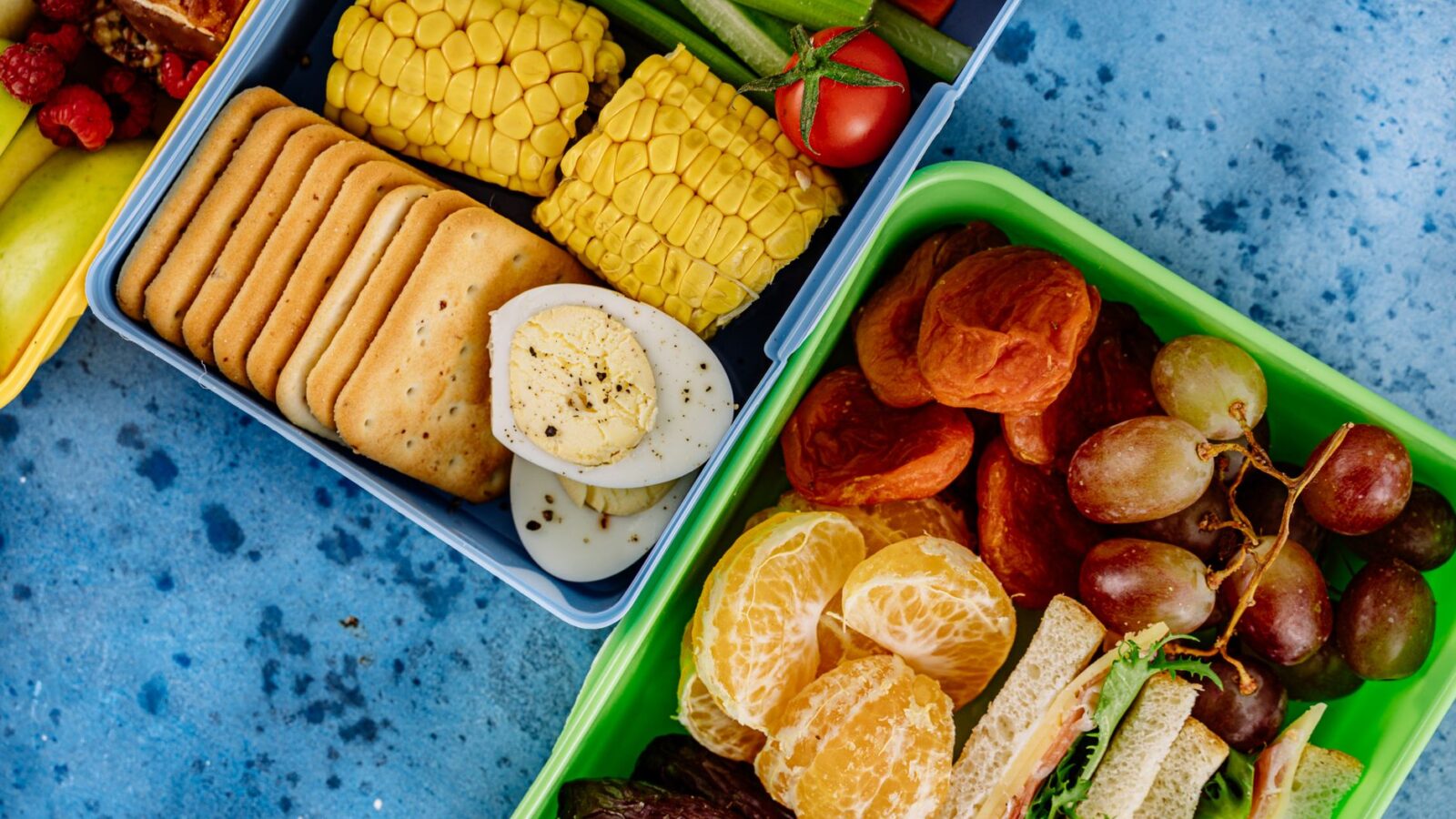
Budget intermittent fasting (IF) has become the buzzword of the last decade, and if you’re a beginner who’s just started hitting the gym, you’ve probably heard it tossed around in every conversation about weight loss and metabolism. With budget intermittent fasting, you can cut down on unnecessary meals while still fueling muscle growth. But what about muscle? Can you actually build lean mass while only eating a few hours a day? And if you’re watching your wallet, is it a practical approach or a pricey experiment?
Let’s break it down. Intermittent fasting isn’t a diet per se; it’s a pattern of eating that can be tuned to fit your training schedule, budget, and body goals. For people who want to bulk on a tight budget, the idea of cutting down the number of meals can mean fewer grocery trips, less food waste, and a simpler plan to hit protein targets. Still, the science is mixed, and the real answer depends on a few key variables: timing, protein quantity, and how you train.
In this post, we’ll dig into the evidence, explain how to pair IF with a strength routine, and give you a step‑by‑step guide that keeps both your muscles and your bank account happy. By the end, you’ll know whether IF is a viable tool for muscle growth or just a trendy side hustle.

1. The Science of Budget Intermittent Fasting and Muscle Protein Synthesis
First, let’s tackle the core question: does limiting eating time hurt or help muscle growth? The answer hinges on muscle protein synthesis (MPS) and the hormone environment that follows fasting.
When you eat a protein‑rich meal, the amino acids spill into your bloodstream, stimulating MPS through the mTOR pathway. Harvard Health notes that intermittent fasting can improve insulin sensitivity when protein intake is sufficient. This process is most effective when you hit a “protein threshold”—roughly 0.25–0.3 grams of protein per kilogram of body weight per meal. If you’re eating only two meals a day, you need to pack each one with enough protein to hit that threshold.
Fasting, on the other hand, raises growth hormone levels and reduces insulin, which can enhance fat oxidation. Growth hormone also has a mild anabolic effect, but it’s not enough on its own to replace the spike in MPS that comes from a post‑workout protein meal. That means the timing of your protein becomes critical. Studies that compare 3‑meal versus 2‑meal patterns in trained men show no significant difference in muscle hypertrophy when total protein is matched, but the two‑meal group often struggles to hit the per‑meal threshold unless they plan carefully.
In short, IF doesn’t inherently prevent muscle gain; it just requires smarter meal planning and training timing. If you can eat enough protein in each eating window and still hit your caloric surplus, you can build muscle just fine.
2. Choosing the Right Budget Intermittent Fasting Window for Muscle Gains
There are several popular IF protocols, but for beginners aiming to bulk, the 16:8 and 18:6 schedules are the most practical. They keep you awake and active for a full day, and they allow a pre‑ and post‑workout meal that can be stacked with protein.
- 16:8 (Fast for 16 hours, eat in an 8‑hour window): A classic choice. If you finish dinner at 7 pm, you can skip breakfast and resume eating at 11 am. This keeps you in a relatively short window that’s easy to manage.
- 18:6 (Fast for 18 hours, eat in a 6‑hour window): Slightly stricter, but still doable. You might start eating at 12 pm and finish by 6 pm. This can help you cut down on snacking, which is handy if you’re watching calories.
- 20:4 (Fast for 20 hours, eat in a 4‑hour window): This is a more aggressive approach. It’s usually reserved for advanced athletes or those who are already lean and want to fine‑tune body composition.
Which one is best for muscle? It depends on your training schedule. If you’re hitting the gym in the morning, a 16:8 that starts at 7 am can let you eat a protein‑rich breakfast right after the workout. If you prefer evening sessions, you can shift the window to accommodate a post‑workout dinner.
Budget intermittent fasting also helps you plan grocery trips more efficiently, as a shorter eating window means fewer food purchases per day. You can focus on staples like eggs, canned tuna, frozen veggies, and bulk rice or beans. The key is to keep protein sources affordable yet high quality. For more ideas, check out budget-friendly meal plans.
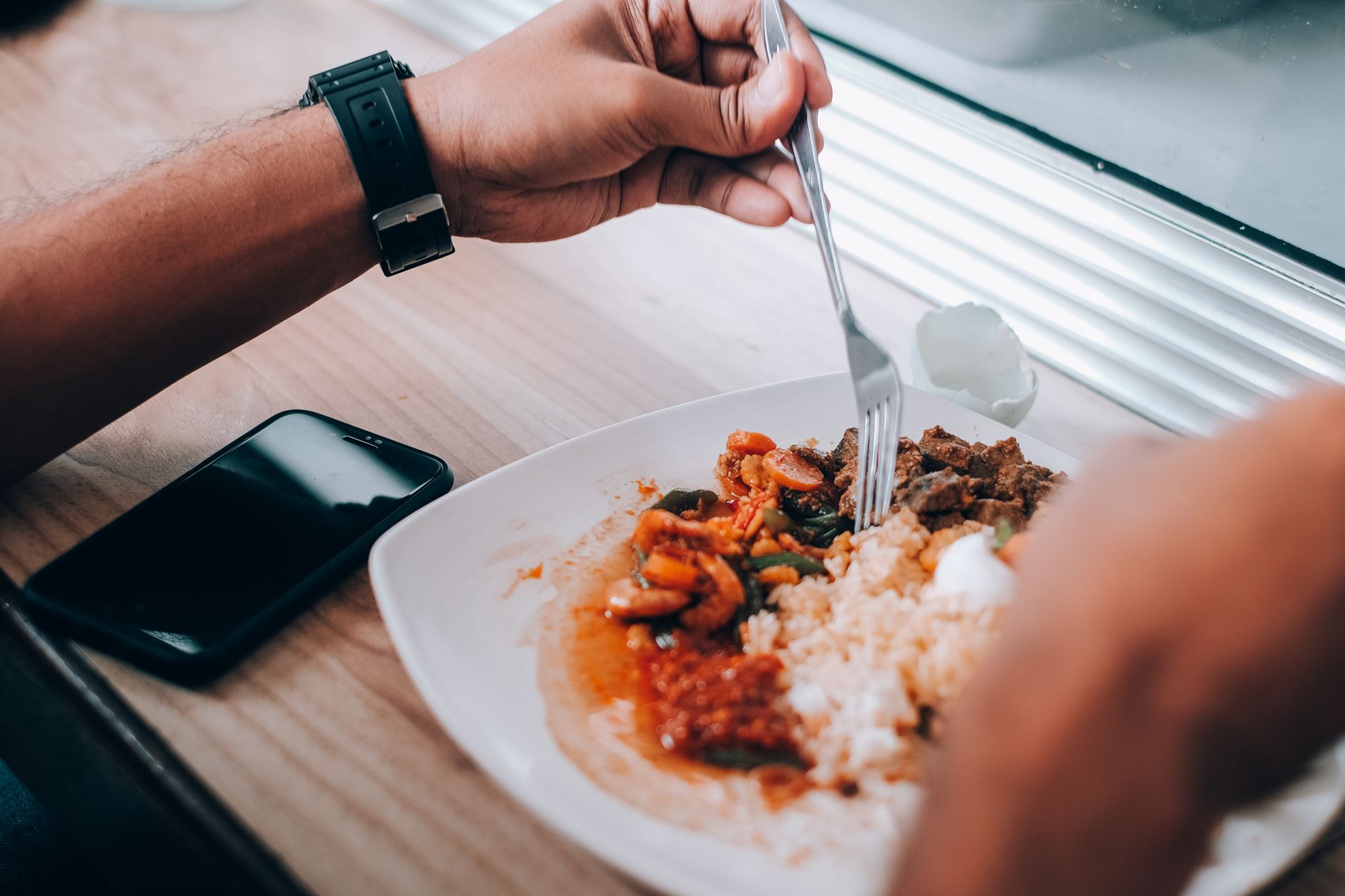
3. Practical Implementation: Workouts, Nutrition, and Recovery
Now that you know the theory, let’s get into the practical side. Here’s a step‑by‑step plan for a 16:8 schedule that’s budget‑friendly and muscle‑friendly.
Step 1: Plan Your Training Time Around Your Eating Window
If you’re fasting until 11 am, schedule your workout for 10:30 am. This way, you’ll finish exercising just before your first meal, which can double as a post‑workout protein shake or a hearty breakfast. If you prefer evenings, finish your workout at 5 pm and eat a protein‑rich dinner by 6 pm.
Step 2: Hit the Protein Threshold in Each Meal
Assume you’re 70 kg. Your daily protein target is around 1.8 g/kg, so 126 g per day. Split that into two meals: 63 g each. That’s about 4–5 servings of cheap protein sources.
Example menu:
- Meal 1 (11 am): 4 eggs (28 g protein), 200 g Greek yogurt (20 g), a scoop of whey protein (25 g). Total ~73 g.
- Meal 2 (6 pm): 200 g chicken breast (44 g), 150 g lentils (12 g), 200 g mixed veggies (4 g), 1 scoop whey (25 g). Total ~85 g.
These meals are simple, low‑cost, and can be prepped in bulk. Buy eggs in bulk, use canned beans, and keep a stock of frozen veggies.
Step 3: Keep Calories in a Surplus
Muscle growth requires a caloric surplus. Track your maintenance calories (roughly 15–16 kcal per pound of body weight for a moderately active guy). Add 250–