
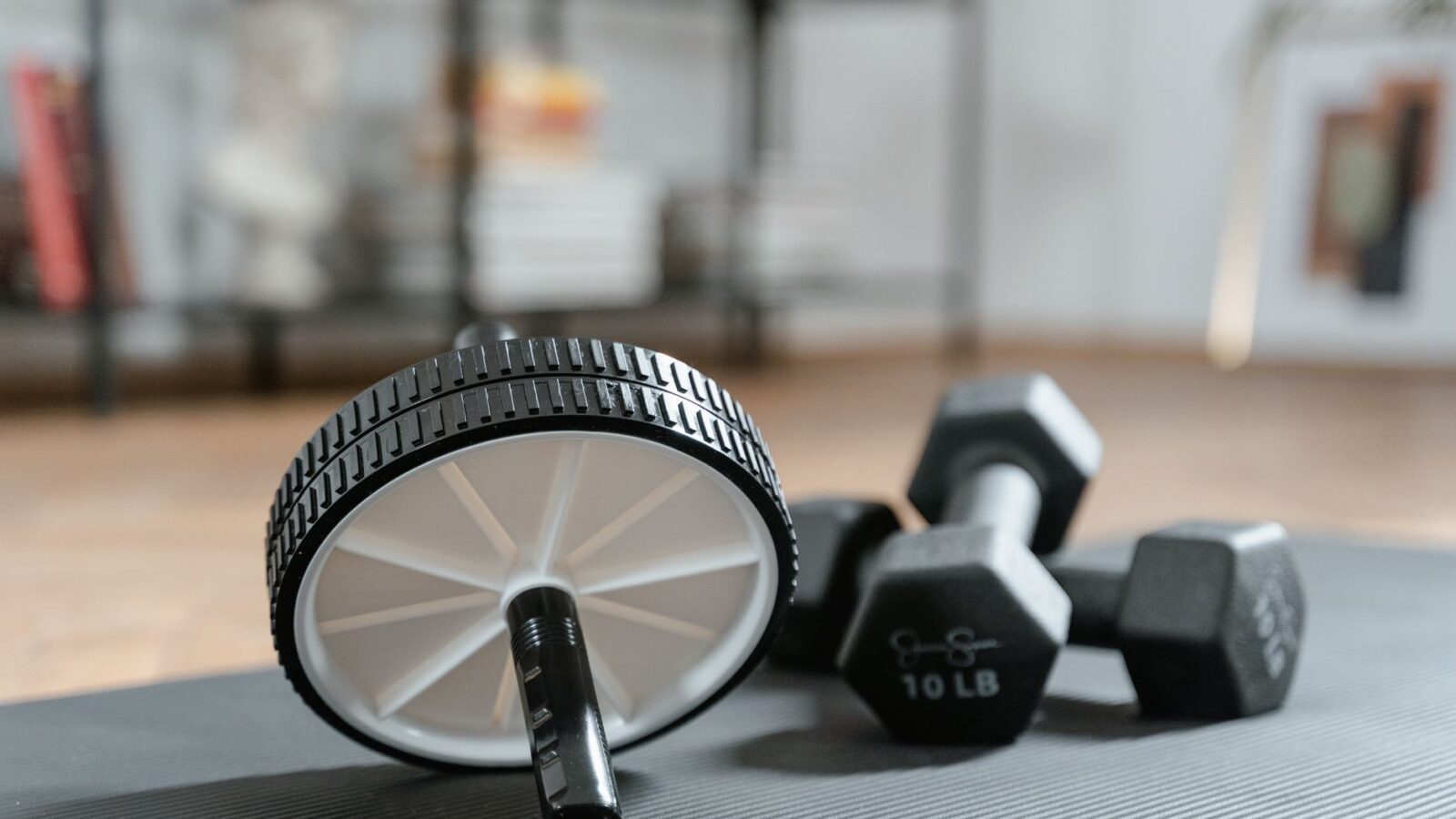
We’ve all seen the sleek, fully stocked budget home gym setups that pop up on Instagram. They’re the envy of the apartment‑dwelling, the college student, the budget‑conscious bodybuilder. But what if your living room is a half‑finished loft, your garage is a storage closet, and your goal is to get lean, strong, and injury‑free? Building a home gym that actually fits your space and your goals is more about smart planning than buying the most expensive gear.
In this guide, we’ll walk through the exact steps to create a functional, muscle‑building sanctuary that won’t break the bank. From measuring your room to choosing versatile equipment, you’ll learn how to keep your workouts on target while staying within a realistic budget. Ready to turn that spare room into a strength‑training hub? Let’s get started.

1. Clarify Your Goals and Measure the Space for Your Budget Home Gym
Before you even think about buying a barbell or a bench, ask yourself: what do I want to achieve? Are you looking to bulk up, trim, or just stay active? Your answer will dictate the equipment list and layout.
- Strength & Hypertrophy – Focus on compound lifts: squats, deadlifts, bench presses.
- Functional & Conditioning – Include kettlebells, resistance bands, and a cardio option.
- Flexibility & Recovery – Add a yoga mat, foam roller, and stretching station.
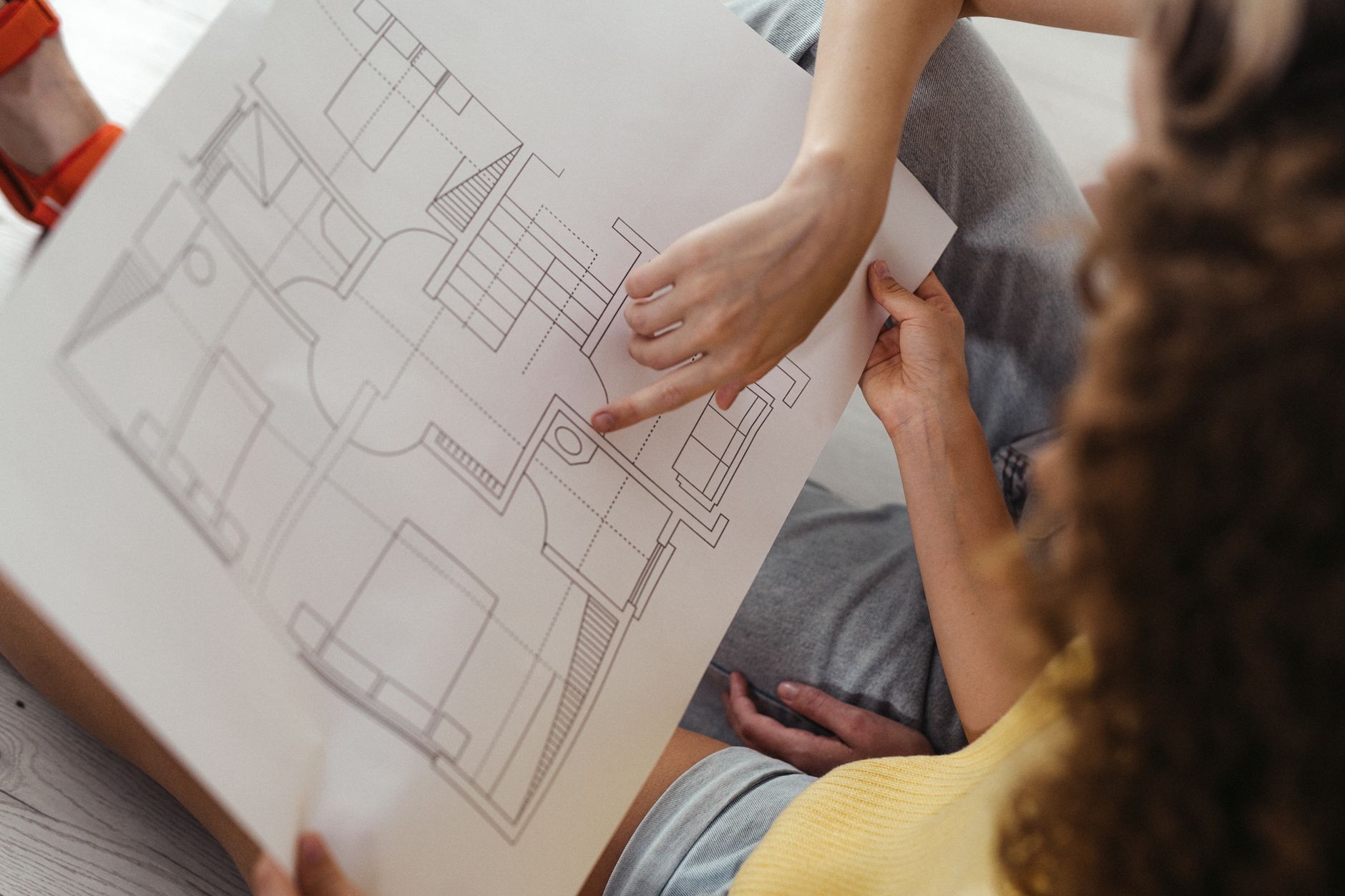
Next, measure the room. Note the width, height, and any obstructions (windows, doors, HVAC units). Create a rough floor plan. A quick sketch will help you visualise where a squat rack could fit, where a bench could double as a storage shelf, or where a pull‑up bar could hang above a doorway.
Don’t forget to consider air flow and noise. A cramped, poorly ventilated space can turn a workout into a sweaty, uncomfortable experience. If you’re in a shared building, think about low‑impact options that won’t disturb neighbors. For more equipment ideas, check out budget gym gear guides.
2. Build a Core Equipment List That Scales
When building a muscle‑building home gym on a budget, versatility is king. You want gear that covers multiple exercises, so you’re not buying a new machine for every lift. Creating a budget home gym means focusing on versatile, affordable gear. Here’s a lean, cost‑effective lineup:
- Adjustable Dumbbells – A single pair that ranges from 5 to 50 pounds each can replace a whole rack of fixed plates. Look for brands that offer a 10‑step increment for flexibility.
- Barbell + Plates – A standard 7‑foot Olympic bar plus a set of 5, 10, 25, and 45‑lb plates gives you a full range of weights. If 45‑lb plates are out of reach, start with 25‑lb and add weight over time.
- Power Rack or Squat Stand – The most expensive item, but a compact rack can support squats, bench presses, and overhead presses. Consider a “half‑rack” if space is tight.
- Bench (adjustable) – A sturdy bench that can go from flat to incline is essential for presses, rows, and accessory work.
- Resistance Bands – Cheap, portable, and great for warm‑ups, assisted pulls, or adding resistance to body‑weight moves.
- Pull‑Up/Dip Bar – A doorway bar or a free‑standing option lets you hit upper‑body strength without a lot of space.
- Cardio Option (Optional) – A jump rope or a compact elliptical can add conditioning without taking up floor space.
DIY alternatives can shave hundreds off your list:
- Sandbag or Water Jugs – A heavy bag or a set of 55‑lb plastic jugs can serve as a makeshift weight for farmer’s walks or cleans.
- Repurposed Furniture – A sturdy bench or a heavy bookcase can double as a storage unit for plates and bands.
- PVC or Wood Bars – For a low‑cost squat rack, build a frame with PVC pipes or use a wooden pallet as a base.
When selecting gear, always check the load capacity and durability ratings. Cheap equipment may look great in a showroom but can snap under heavy load, risking injury and extra expense.

3. Design a Space‑Saving Layout for a Budget Home Gym
With your equipment list in hand, it’s time to map out the layout. The goal is to create a flow that lets you move from one exercise to the next without stepping over cables or plates. A well‑planned budget home gym maximizes every square foot.
- Zone the Room – Divide the space into a “strength zone” (barbell, rack, bench), a “body‑weight zone” (pull‑up bar, resistance bands), and a “flexibility zone” (mat, foam roller).
- Use Wall Mounts – Wall‑mounted pull‑up bars and storage racks free up floor space. A wall‑mounted bench or a folding bench can be tucked away when not in use.
- Vertical Storage – Shelves above the squat rack or a pegboard can hold smaller items like bands, kettlebells, and accessories.
- Flooring Matters – Rubber mats protect the floor and reduce noise. They’re also a simple way to keep equipment from slipping.
- Keep It Clean – A small storage box for towels and a quick wipe‑down routine will keep the space inviting.
When planning your layout, think about the “sweet spot” for each lift. A barbell should have at least 12 inches of clearance on all sides for squats and deadlifts. A bench should be positioned so you can move in and out comfortably. If you’re using a doorway pull‑up bar, make sure the door frame can handle the weight and that the bar is installed securely.
4. Avoid Common Pitfalls and Fine‑Tune Your Setup
Even with a solid plan, a few mistakes can derail your home gym dreams. Here are the most frequent missteps and how to sidestep them:
- Overbuying – It’s easy to fall into the trap of buying every piece of equipment you see. Stick to the core items and add accessories later.
- Ignoring Safety – Make sure your power rack is level, your plates are secured, and your barbell has proper collars. A small oversight can lead to a costly injury. For safety guidelines, see Harvard Health.
- Neglecting Maintenance – Clean your weights, tighten bolts, and inspect cables regularly. A well‑maintained gym lasts longer.
- Underestimating Space Needs – A 12‑by‑12 room can hold a decent rack, but don’t cram equipment into a 6‑by‑6 corner. Give each tool room to breathe.
- Skipping the Budget Plan – Even the cheapest gym can get expensive if you don’t set a spending cap. Track every purchase and look for sales or second‑hand options.
Ask yourself: “What’s the most critical piece that will help me hit my goal?” Prioritising that item first ensures you get the biggest return on your investment.

5. Take the First Step and Build Gradually
Now that you have a plan, a list, and a layout, it’s time to start buying and assembling. Remember, a home gym is a living, evolving space. You can start with a single barbell and a set of dumbbells, then add a bench or a pull‑up bar as you go. Keep a running inventory of what you own and what you need, and shop during off‑season sales or second‑hand markets.
As you use the space, notice what works and what feels cramped. Maybe you’ll