
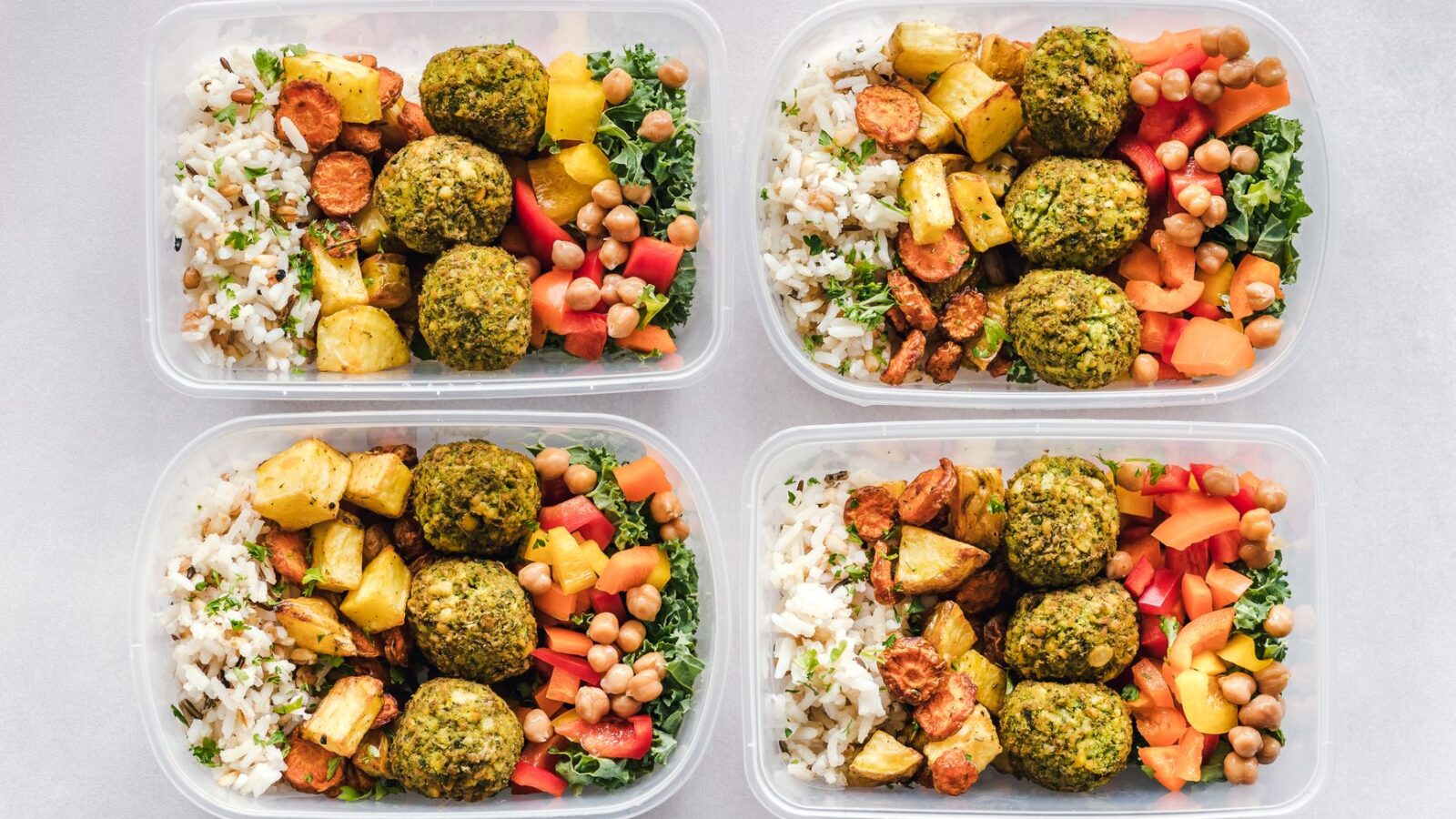
Every time you step into the gym, you hear the same mantra: “You can’t out‑lift your nutrition,” especially when you’re trying to meet your budget protein needs. For muscle building, that’s spot on. But the real question is, how much protein do you actually need? If you’re just starting out and watching your wallet, the answer isn’t a mystery—just a calculation that fits your body, your training, and your budget.
Knowing your daily budget protein needs can feel like a math puzzle, and it’s easy to over‑think it. Do you need a protein shake every day? Do you have to eat chicken breast for every meal? The good news is that with a simple formula and a few practical tweaks, you can nail your protein intake without blowing the bank.
Ready to turn your budget protein needs into real gains? Let’s break it down step by step, with a focus on the numbers that matter and the budget‑friendly ways to hit them.

Why Budget Protein Needs Fuel Muscle Growth
Muscle growth, or hypertrophy, happens when the body repairs and rebuilds muscle fibers after a workout. That repair process needs amino acids, the building blocks that come from protein. Without enough protein, your body can’t keep up with the demand, and your gains stall.
Two key concepts drive protein needs for beginners:
- Muscle Protein Synthesis (MPS) – The process where new muscle tissue is built. MPS spikes after a workout and then levels off after a few hours.
- Protein Quality – Not all proteins are created equal. Animal proteins usually contain all essential amino acids, whereas many plant proteins need to be combined.
Because you’re new to the scene, you’ll want to maximize MPS while keeping costs low. That means hitting a target that’s higher than the general 0.8 g/kg recommendation and staying consistent throughout the day.
Step‑by‑Step: Calculating Your Budget Protein Needs
The most common approach is to use a grams‑per‑kilogram or grams‑per‑pound rule. For muscle building, most experts suggest a range of 1.2 to 2.0 g/kg (or 0.55 to 0.9 g/lb). Here’s how to turn that into a daily number:
- Know Your Weight – Use your current weight, not a goal weight. If you’re 160 lbs (73 kg), that’s your starting point.
- Choose a Target Range – As a beginner, aim for the lower end of the spectrum to keep costs down: 1.2 g/kg. If you’re training hard or have a higher body fat percentage, bump it to 1.4 g/kg.
- Do the Math – Multiply your weight in kilograms by your chosen grams per kilogram. For 73 kg × 1.2 g/kg = 87.6 g protein per day.
- Round It Up – It’s easier to plan around whole numbers. Aim for 90 g protein per day.
Want a quick conversion to pounds? Just divide the kg result by 0.4536 (or multiply by 0.45). Using the same example: 90 g ÷ 0.45 ≈ 200 g of protein per day. That might sound high, but remember you’ll spread it over several meals.
Below is a handy table for quick reference:
| Body Weight (lbs) | Protein Target (g/day) |
|---|---|
| 120 | 73 |
| 140 | 86 |
| 160 | 100 |
| 180 | 115 |
| 200 | 130 |
These numbers assume a moderate training load. If you’re lifting heavier or training multiple times a day, consider pushing to the higher end (1.6 g/kg). The math stays the same—just increase the multiplier.
Timing and Distribution: The 3‑Meal Rule
Protein isn’t just a bulk number; it’s about how you spread it. Research from Harvard Health shows that eating 20–30 g of high‑quality protein every 3–4 hours maximizes MPS. Here’s a simple way to structure it:
- Breakfast – 25 g protein
- Lunch – 30 g protein
- Dinner – 30 g protein
- Snack or Post‑Workout – 15 g protein
This adds up to 100 g, which is comfortably above the 90 g target for a 160‑lb beginner. It also keeps your protein intake steady, preventing long gaps where the body could start breaking down muscle.
Budget‑friendly protein sources that fit this plan include:
- Eggs – $0.20 each; 6 g per egg.
- Chicken thighs – Cheaper than breasts; about 25 g per 100 g.
- Greek yogurt – 10 g per 100 g; buy in bulk.
- Peanut butter – 8 g per tablespoon; great for quick snacks.
- Black beans – 8 g per cup cooked; inexpensive and versatile.
- Protein powder (whey or plant) – 20–25 g per scoop; bulk packs save money.
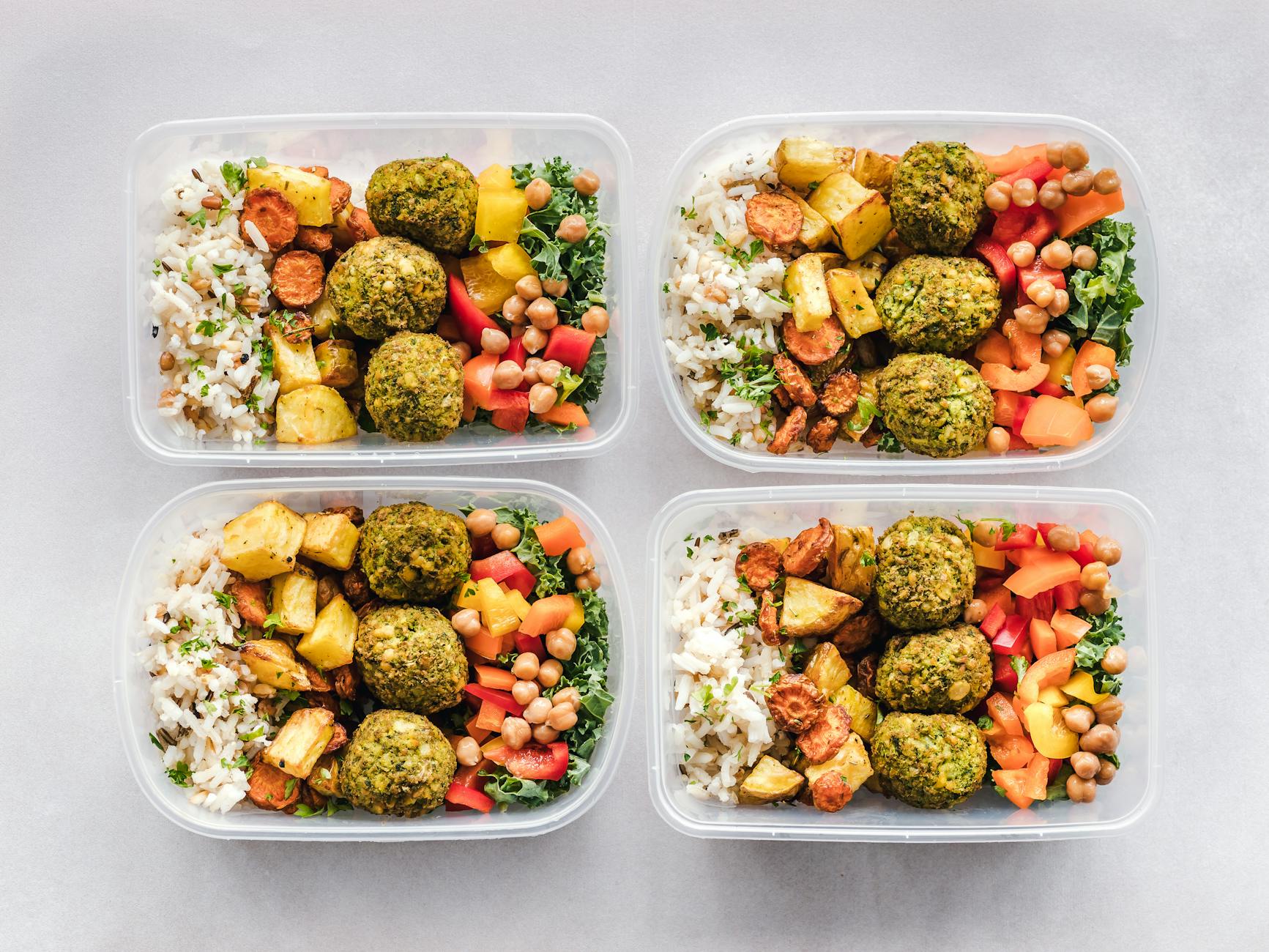
Mix and match. For example, a breakfast scramble with eggs, spinach, and a side of Greek yogurt gives you 35 g. A lunch of grilled chicken thighs with quinoa and beans hits 30 g. Dinner of baked fish or tofu with roasted veggies rounds it out. Add a protein shake after the gym and you’re safely over your target.
Practical Tips to Keep Your Intake on Track
Even with a clear target, beginners often stumble on a few common pitfalls. Here’s how to avoid them:
- Over‑estimating protein content – A single scoop of protein powder might be 25 g, but a chicken breast is only 30 g per 100 g. Double‑check labels.
- Relying on a single source – If you eat only eggs, you’ll hit a ceiling in terms of calories. Diversify to stay satiated and cost‑effective.
- Skipping meals to “save” protein – The body doesn’t store excess protein for later. Skipping a meal forces you to cram more protein into the next one, which can be uncomfortable.
- Ignoring protein timing – While the total daily amount is king, a post‑workout window of 30–60 minutes still matters for optimal repair.
- Using expensive specialty proteins – Whey isolate or premium plant blends can double the cost. A regular whey concentrate or a simple pea protein powder works just fine for most beginners.
Sticking to your budget protein needs doesn’t have to be complicated. Keep a simple food diary or use a free app to track grams. Even a notebook works if you’re on a tight budget. For more ideas, check out our nutrition and meal plans.

More for You
Budget‑Friendly High‑Protein Foods Every Beginner Needs for Muscle Gains
When you’re just starting to lift, the first question that pops up is often, “How do I get enough budget high protein…
Budget Muscle Meal Prep: A Beginner’s Guide to Gaining Lean Mass on a Tight Wallet
Budget muscle meal prep isn’t just about hitting the weights hard; it’s also about feeding the growth engine consistently. If you’re new…
Budget Carb Guide: Fuel Muscle Growth Without Breaking the Bank
When you’re hitting the gym, you’ll hear a lot about protein and rest, but a budget carb guide can help you spot…