

A budget creatine supplement is a game of small, consistent choices for muscle growth. If you’re new to the gym and watching your wallet, you’ll want the most bang for every buck. One of the most cost‑effective ways to push your gains is a single supplement that has been studied for decades: creatine. This budget creatine supplement delivers high performance without draining your wallet. It’s not a fancy protein shake or a pricey pre‑workout; it’s a simple powder that can lift your strength, help you hit heavier weights, and speed up recovery—all without breaking the bank.
But a lot of beginners jump in with misconceptions—thinking it’s only for powerlifters, that you need a loading phase to see results, or that you’ll get bloated and dehydrated. The truth is that creatine is one of the safest, most evidence‑backed supplements for building muscle, and you can use it in a way that fits any budget. Let’s dig into what it does, how to pick the right type, and how to use it so you see real results without spending a fortune.
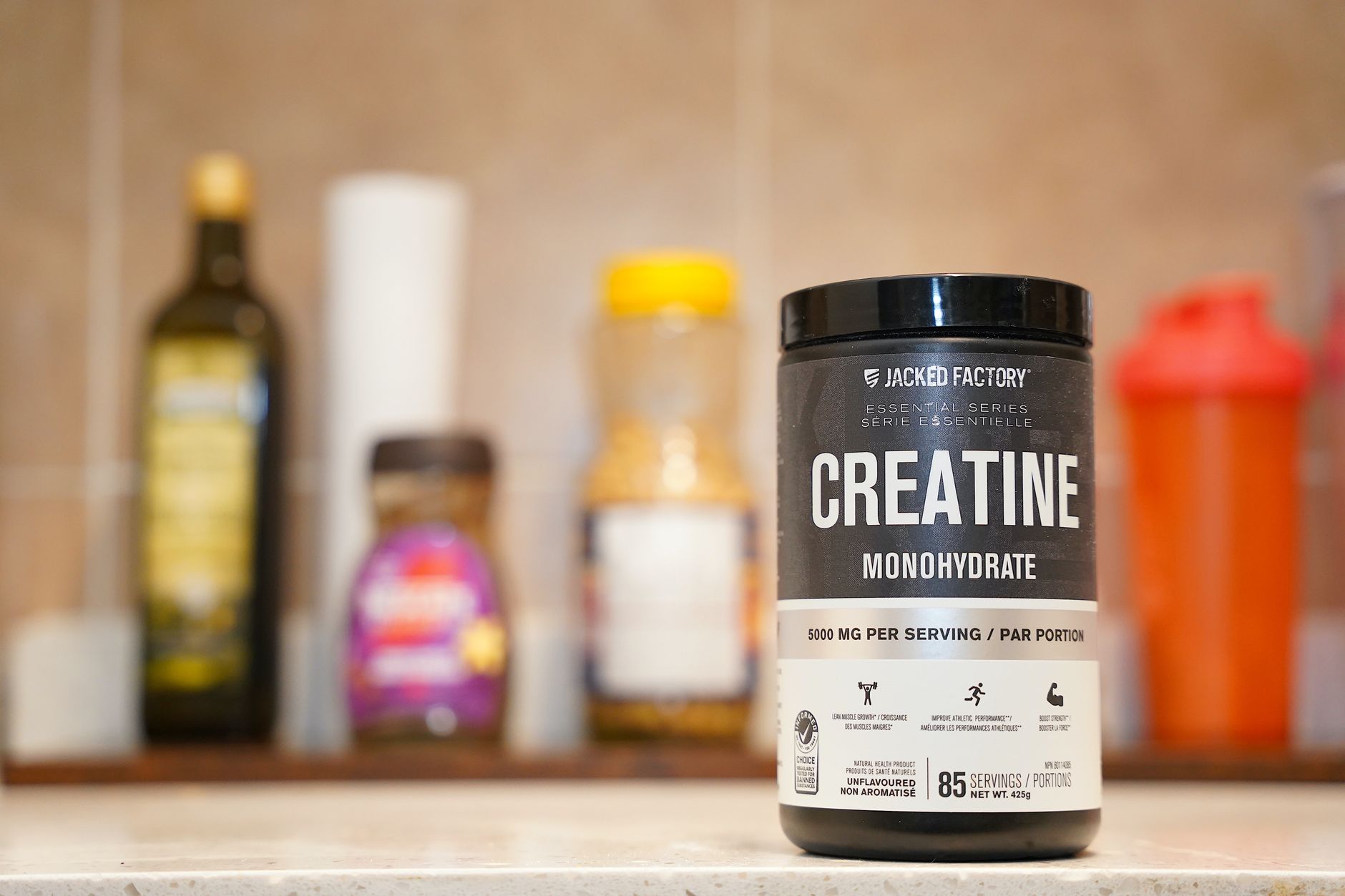
What a Budget Creatine Supplement Does for Your Muscles
Creatine is a naturally occurring compound made from amino acids—arginine, glycine, and methionine—inside your liver, kidneys, and pancreas. Your body stores it mainly in skeletal muscle as phosphocreatine, a high‑energy buffer that fuels short, explosive movements like squats, bench presses, and sprints.
When you add extra creatine through a supplement, you increase the phosphocreatine pool in your muscles. This means you can:
- Generate more ATP (the energy currency) during high‑intensity work.
- Lift heavier or perform more repetitions before fatigue sets in.
- Recover faster between sets and sessions.
- Boost muscle protein synthesis over time, helping your body rebuild stronger fibers.
Because the benefits show up after a few weeks of consistent use, creatine is a low‑maintenance, high‑return investment. It’s also one of the few supplements that works for everyone—regardless of diet or training level—when taken properly.
Choosing the Right Budget Creatine Supplement Type and Dosage
There are several creatine forms on the market, but the most researched and affordable is creatine monohydrate. When selecting a budget creatine supplement, monohydrate remains the most cost‑effective choice. It’s available in powder or capsule form, and a typical 5‑gram scoop is usually less than a dollar. Other variants—creatine HCl, buffered creatine, or micronized creatine—are marketed as having better solubility or fewer side effects, but the evidence doesn’t support a significant advantage over monohydrate for most people.
When you start, you can skip the loading phase and go straight to a maintenance dose. The classic loading method—20 grams per day for five to seven days—does shorten the time to saturation, but it also pushes you toward a higher intake that can feel uncomfortable if you’re sensitive. A steady 5 grams per day is enough to reach full saturation in about 3–4 weeks, and it’s easier on your stomach and wallet.
Dosage guidelines:
- Maintenance dose: 5 grams daily.
- Loading optional: 20 grams divided into 4 doses for 5–7 days, then switch to 5 grams.
- Timing: Any time of day works, but taking it with a carbohydrate‑protein mix post‑workout can improve uptake.
- Hydration: Drink plenty of water; creatine draws water into muscle cells, so staying hydrated keeps you comfortable.
For the budget‑conscious, look for a plain monohydrate powder with no added fillers or flavorings. A simple, unflavored scoop mixes cleanly with water or a protein shake and keeps costs low. If you’re buying in bulk, you can often find a 300‑gram bag for under $10—cheaper than most other supplements that claim to build muscle. For more supplement guides, visit our supplement category. Harvard Health notes that creatine is safe for most healthy adults.

Integrating Creatine Into Your Routine
Creatine isn’t a magic bullet that works on its own; it’s a tool that amplifies what you’re already doing. Incorporating a budget creatine supplement into your daily routine ensures you get maximal gains for minimal expense. Here’s how to weave it into a