
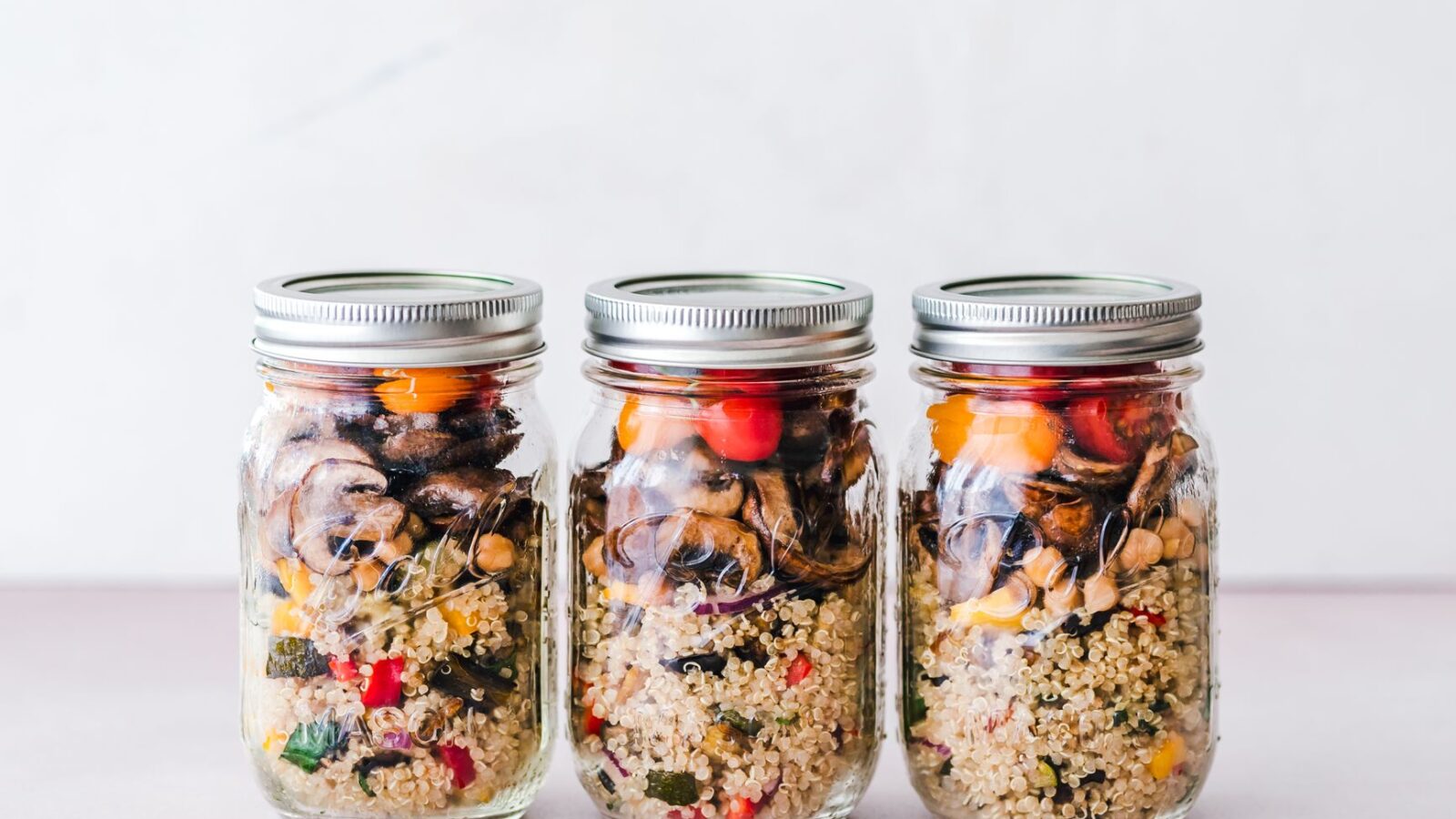
When you’re just starting out at the gym, the first thing that pops up on your mind is probably protein, but learning about budget carbs for beginners can change the game. It’s easy to hear that “you need protein to build muscle,” so it’s no wonder that many beginners skip carbs altogether or treat them like a bad habit. But if you want to lift heavier, recover faster, and see real gains, you’re going to need a solid plan for carbs. They’re not the enemy; they’re a key fuel source that powers your workouts and feeds the muscles you’re training.
Carbohydrates are the body’s preferred energy source for high‑intensity work. Think of them as the gas that keeps your car running when you’re pushing hard. If you run out of gas mid‑lift, your performance drops. That’s why understanding how to use carbs strategically can be a game changer, especially when you’re working with a tight budget and a beginner’s mindset. Harvard Health notes that proper carbohydrate intake supports both performance and recovery.
In this post, we’ll break down the science behind carbs and muscle building, show you how to time them for maximum benefit, and give you a low‑cost roadmap that fits into any budget. By the end, you’ll know how to use carbs to fuel your gains, not sabotage them.

Why Budget Carbs Are the Unsung Hero for Beginners
First, let’s get one thing clear: muscle growth isn’t just about lifting heavy and eating protein. Your muscles need energy to work hard, and that energy comes from glycogen, the stored form of carbohydrates in muscles and liver. When you deplete glycogen, you feel sluggish, your lifts drop, and you’re more prone to injury.
During resistance training, your body taps into glycogen stores to produce ATP, the molecule that fuels muscle contractions. A well‑refilled glycogen pool means you can lift heavier, hit more reps, and push through those last few sets that separate the good from the great.
But it’s not just about raw energy. Carbohydrates also trigger insulin, a hormone that plays a crucial role in muscle protein synthesis (MPS). Insulin is an anabolic signal; it tells your body to store nutrients, including amino acids from protein, into muscle cells. By pairing carbs with protein after a workout, you give your body a window where insulin levels are high, making it easier for your muscles to rebuild and grow.
So, if you’re on a budget and think carbs are a luxury, you’re missing a pivotal piece of the puzzle. Focusing on budget carbs for beginners can boost performance, enhance recovery, and help you hit your strength goals without breaking the bank.
Choosing the Right Budget Carbs for Strength and Recovery
Not all carbs are created equal. The body reacts differently to simple sugars versus complex carbs, and the timing of these sugars matters. Below is a quick guide on how to pick carbs that match your workout phases without blowing your budget.
Simple Carbohydrates: Quick Fuel for Pre‑Workout
Simple carbs—think fruit, honey, or a banana—are digested rapidly. They’re perfect for a short snack 30–60 minutes before hitting the gym. Because they spike blood sugar quickly, they give you a burst of energy that’s ideal for a fast‑paced warm‑up or a high‑intensity session.
For a budget‑friendly option, grab a banana or a small bag of dried fruit. You’ll get a quick energy hit without the need for fancy supplements.
Complex Carbohydrates: Sustained Energy for the Bulk of the Session
Complex carbs—such as oats, brown rice, whole‑grain pasta, and sweet potatoes—slowly release glucose into the bloodstream. They’re best consumed 2–3 hours before a workout to maintain steady energy levels and keep glycogen stores topped up.
Because these foods are high in fiber and micronutrients, they also support overall health and keep you fuller for longer, which is a win for both muscle building and weight management.
Low‑glycemic Index (GI) Carbs: Post‑Workout Recovery
After a hard session, your muscles crave replenishment. Low‑GI carbs (like quinoa, barley, or oatmeal) release glucose more gradually, preventing a sharp insulin spike that can lead