
The budget protein guide starts with one simple truth: protein is the building block that turns effort into size. Yet for many beginners, the idea of hitting daily protein targets feels like a puzzle that requires expensive supplements, exotic foods, or a spreadsheet of macros. The reality is that you can reach your protein goals with a straightforward approach that fits a tight wallet and a busy schedule.
In this budget protein guide, we’ll break down the science behind protein needs, show you how to pick cheap, high‑quality sources, and walk you through a practical meal plan that keeps things simple. By the end, you’ll have a clear roadmap that lets you focus on lifting, not counting grams.
Know Your Numbers: How Much Protein Do You Actually Need?
Before you start hunting for protein, you need a target. The American College of Sports Medicine recommends 1.2 to 2.0 grams of protein per kilogram of body weight for people who lift regularly. If you weigh 70 kg (154 lb), that’s roughly 84–140 g of protein per day. A quick way to estimate is to multiply your weight in pounds by 0.54 and round up. So 154 lb × 0.54 ≈ 83 g.
Don’t get hung up on the exact number. Muscle growth is more about consistency than hitting a perfect figure every single day. Aim for a range that feels manageable and adjust based on progress and how your body feels.
Protein timing matters less than total intake. Spreading protein evenly across meals—roughly 20–30 g per sitting—helps keep your body in an anabolic state. A handy rule of thumb: try to include a protein source in every meal and snack, and you’ll naturally hit your daily goal. For deeper research, see the recommendations from Harvard Health.
Affordable Protein Sources for Your Budget Protein Guide
This budget protein guide highlights affordable protein sources that don’t skimp on quality. When your budget is tight, you can still get a full spectrum of amino acids from a mix of animal and plant proteins. Below are categories that balance cost, convenience, and nutritional density.
Eggs: The Classic Budget Champion
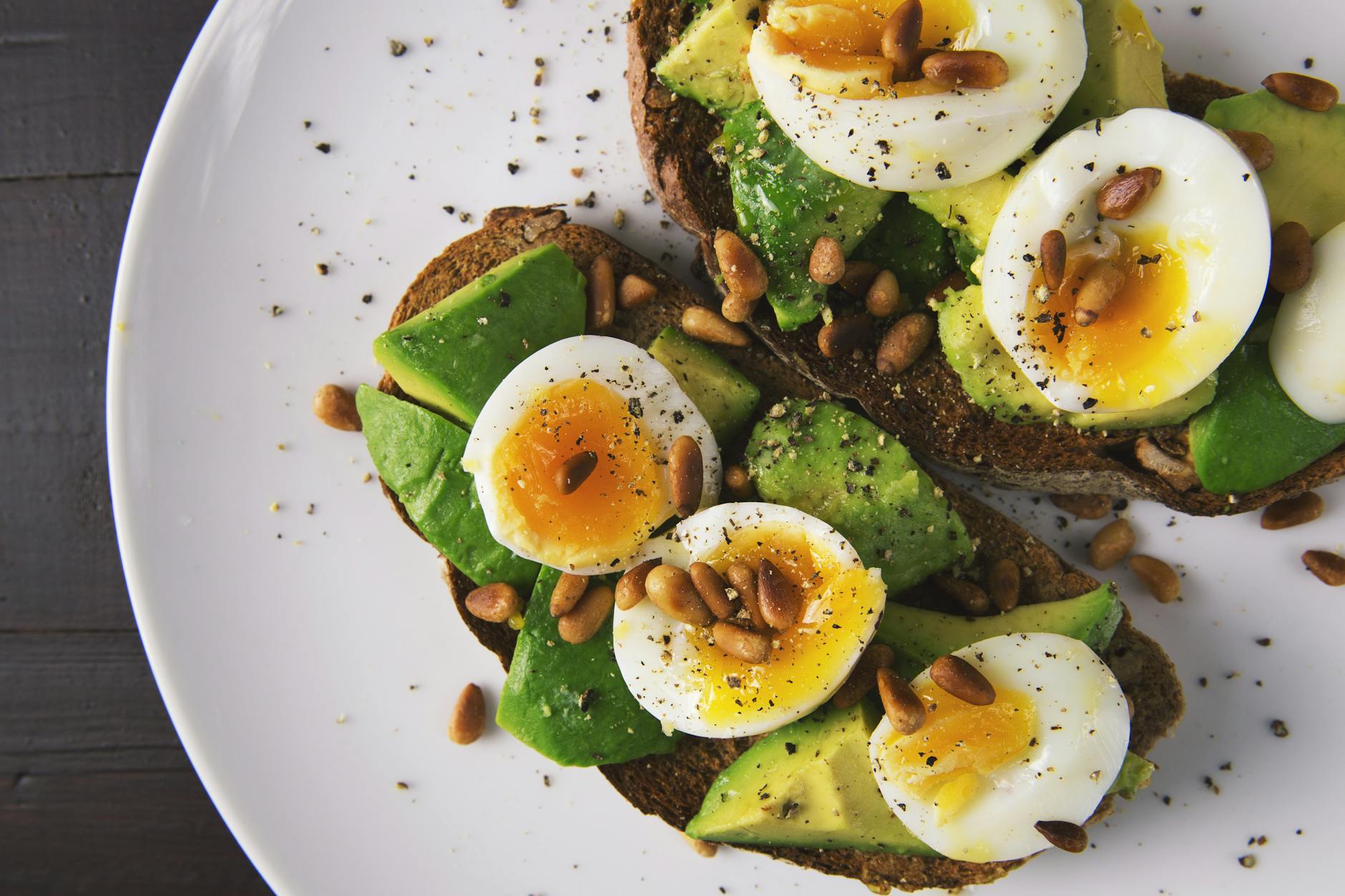
One large egg packs about 6 g of high‑biological‑value protein. A dozen can cost under $2 in most grocery stores. Cook them any way you like—boiled, scrambled, or as a quick omelet with veggies for extra fiber.
Legumes: Protein and Fiber in One
Beans, lentils, and chickpeas are staples in low‑cost diets. A half‑cup cooked lentils delivers ~9 g of protein and 8 g of fiber. Buying them dry and cooking from scratch saves money and lets you control sodium levels.
Canned Tuna or Salmon
These are surprisingly inexpensive when you buy bulk or store brands. A 5‑oz can offers 20–25 g of protein for less than a dollar. Pair with a slice of whole‑grain bread or a handful of greens for a balanced plate.
Greek Yogurt and Cottage Cheese
Store‑brand versions can be found for under $1 per container. A 150‑g serving of plain Greek yogurt has 15–18 g of protein. Cottage cheese is similar and can be topped with fruit or a drizzle of honey for a quick snack.
Peanut Butter and Other Nut Butters
Although not as high in protein per gram as meat, peanut butter offers 8 g of protein per 2‑tablespoon spread. It’s calorie‑dense, so use it sparingly to avoid excess carbs. Mix it into a smoothie or spread it on whole‑grain toast.
Chicken Breast on Sale
When you catch a good deal—say, $1.50 per pound—you can buy enough to last a week. Cook in bulk, slice into salads, or use in stir‑fries. Pair with frozen veggies for a quick, balanced meal.
Milk or Plant‑Based Alternatives
Whole milk or fortified soy milk provides 8–10 g of protein per cup. If dairy is out of reach, look for protein‑enriched plant milks; they often contain 8 g per serving and can be used in smoothies or cereal.
By rotating these items, you’ll keep meals interesting and your protein intake steady without blowing your grocery budget.

Meal Planning Made Simple: A Budget Protein Guide Blueprint
Planning is the secret sauce that keeps protein on track. Instead of obsessing over macros each day, set up a template you can reuse. Below is a sample day that uses the foods we just discussed.
Breakfast: Egg & Veggie Scramble
3 eggs (18 g), 1 cup spinach, ¼ cup diced bell pepper, and a splash of olive oil. Add a slice of whole‑grain toast for extra carbs. Total protein: ~22 g.
Mid‑Morning Snack: Greek Yogurt & Nuts
1 cup plain Greek yogurt (18 g), a tablespoon of peanut butter (4 g), and a handful of berries. Protein total: ~22 g.
Lunch: Tuna Salad Wrap
1 can tuna (25 g), 1 whole‑grain tortilla, mixed greens, and a light yogurt‑based dressing. Protein total: ~25 g.
Afternoon Snack: Cottage Cheese & Fruit
1 cup cottage cheese (28 g) with sliced peaches. Protein total: ~28 g.
Dinner: Chicken & Lentil Stew
4 oz chicken breast (24 g) + ½ cup cooked lentils (9 g) + diced carrots, onions, and a splash of broth. Protein total: ~33 g.
Daily total: ~148 g, comfortably above the 84–140 g range for most beginners. Notice how each meal is simple, uses a handful of ingredients, and can be prepped in bulk. This approach eliminates the need for a complex macro tracker.
Tip: Keep a small notebook or a free app to jot down the protein count for each meal. Once you’re comfortable, you can skip the details and just trust the template. For more ideas, check out our nutrition and meal plans.
Common Pitfalls and How to Dodge Them
- Over‑relying on protein powders. They’re convenient but often pricey and can add unnecessary carbs. Use them as a backup when you’re short on time, not as a daily staple.
- Skipping meals to “save” protein. Skipping can actually lower your metabolism and make it harder to recover. Aim for 3–5 balanced meals instead.
- Ignoring micronutrients. Protein is only one piece of the puzzle. Pair each protein source with veggies or whole grains to cover vitamins and minerals.
- Buying fancy, expensive cuts. Cheap cuts of meat like ground turkey, chicken thighs, or canned options can deliver the same protein without the premium price tag.
- Not adjusting for weight changes. If you’re gaining muscle or losing fat, tweak your protein target by 10–15 %. A quick re‑check every