
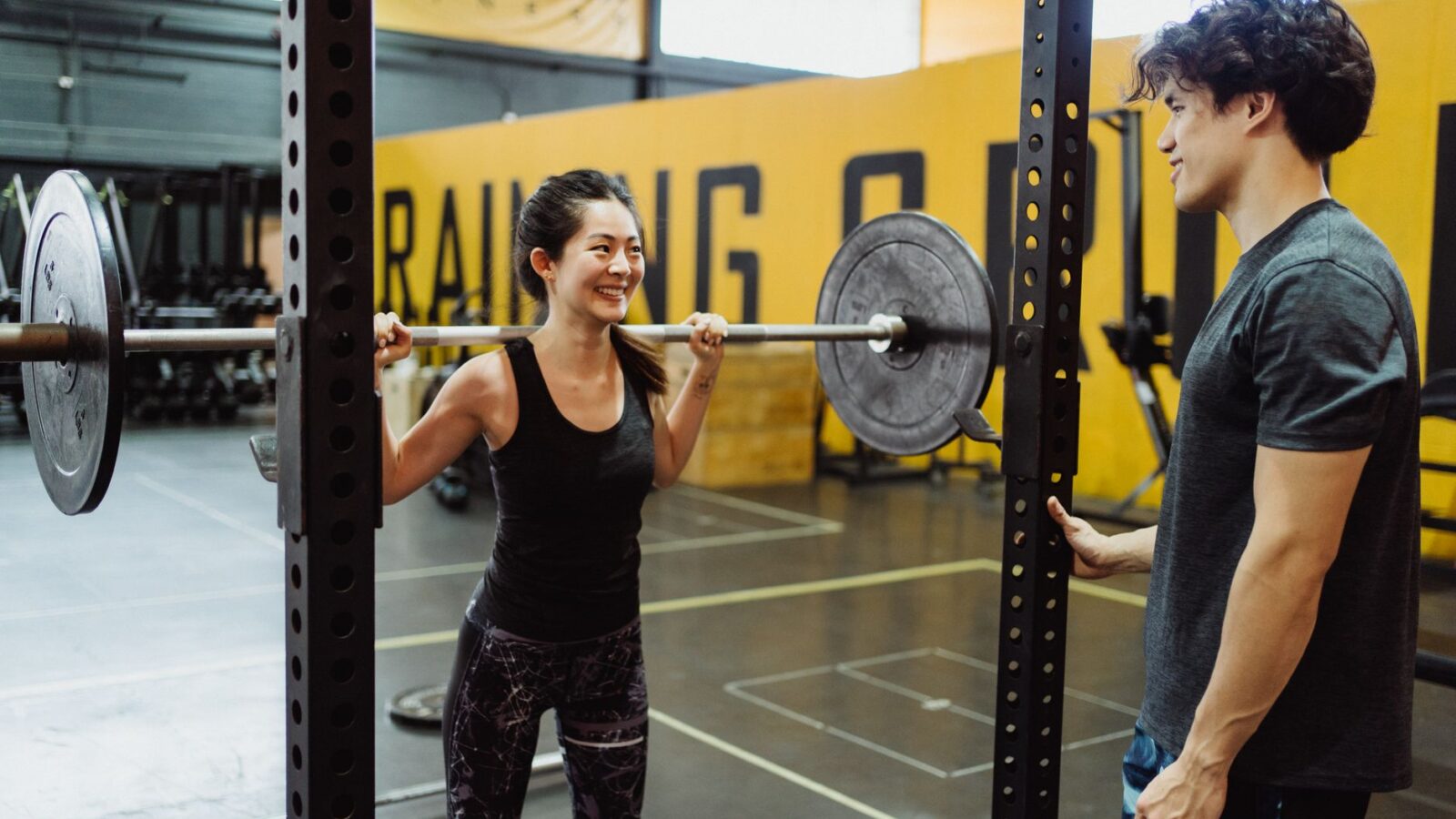
The progressive overload guide is the single most reliable way to build muscle and keep getting stronger. If you’re new to the gym, it’s easy to get stuck in a routine that feels comfortable but never pushes your body further. You might wonder, “What exactly does progressive overload mean, and how can I keep my gains rolling without breaking the bank or overloading my schedule?”
In this post we’ll break down the concept into bite‑size chunks, walk through practical ways to ramp up your workouts, and give you a few budget‑friendly tricks to stay on track. Think of it as a roadmap that turns the gym’s “lift more” mantra into a clear, actionable plan.
This progressive overload guide will help you understand how to apply the principle safely.
According to Harvard Health, progressive overload is essential for continued muscle growth.
Ready to see how small, consistent changes can turn a steady workout into a muscle‑building machine? Let’s dive in.
1. What Is the Progressive Overload Guide and Why Does It Matter?
At its core, progressive overload is simply asking your muscles to do a little more than they’re used to. Whether that’s adding a few pounds, pushing for an extra rep, or shortening the rest period, the goal is to create a stimulus that forces your body to adapt.
Muscles grow when they’re placed under stress that exceeds their usual workload. The adaptation process involves micro‑tears in muscle fibers, inflammation, and a repair phase where the body rebuilds the tissue stronger and larger. If you keep the stimulus the same, the muscle adapts and the growth plateaus. That’s why a steady routine can feel flat after a few weeks.
Progressive overload is not just about adding weight. It’s a framework that includes:
- Increasing load – the most obvious method, adding more weight to the bar or dumbbell.
- Increasing volume – more sets or reps with the same weight.
- Reducing rest – shorter recovery times make the same workout more intense.
- Changing tempo – slowing the eccentric phase or adding pauses to increase time under tension.
- Altering exercise selection – switching to a more challenging variation.
By cycling through these options, you can keep the muscle’s adaptive response alive without always needing a fancy piece of equipment.
2. Building a Progressive Overload Guide Plan That Fits Your Routine
Let’s look at a simple, budget‑friendly routine that you can run at a local gym or at home with a set of dumbbells. We’ll use a classic three‑day split: Push, Pull, Legs. The key is to start with a baseline and then tweak one variable each week.
Following this progressive overload guide ensures you stay on track.
Week 1 – Establish the Baseline
- Choose a weight that lets you finish each set with 2–3 reps to failure.
- Record the number of sets, reps, and weight for each exercise.
- Keep the rest between 60–90 seconds.
Example for the bench press: 3 sets of 8 reps at 40 kg.
Week 2 – Add a Small Weight Increment
Increase each exercise by 2–5 % of the load. For the bench press, that might be 1–2 kg. You’ll still hit the same rep range.
Why 2–5 %? It’s enough to create a new stimulus without compromising form. If you can’t find a 2 kg plate, a 5 lb plate works the same.
Week 3 – Increase Reps, Keep Weight
With the same weight, aim for 9–10 reps per set. This raises the volume while keeping the load constant.
Week 4 – Shorten Rest or Add a Drop Set
Reduce rest to 45–60 seconds or add a drop set at the end of the last set to keep the muscle under tension longer.
Repeat the Cycle
Every four weeks, cycle back to Week 1 with a slightly heavier load. The pattern ensures continuous progression without the need for expensive gear. If you hit a plateau, switch to a different exercise that targets the same muscle group, like swapping the bench press for a dumbbell fly.
Remember, the goal is incremental changes that are sustainable. A 2–5 % lift, a single extra rep, or a 10‑second rest reduction can all add up over months.
3. Tracking Progress on a Tight Budget
Progressive overload is only as good as the data you have to measure it. You don’t need a fancy app or a