
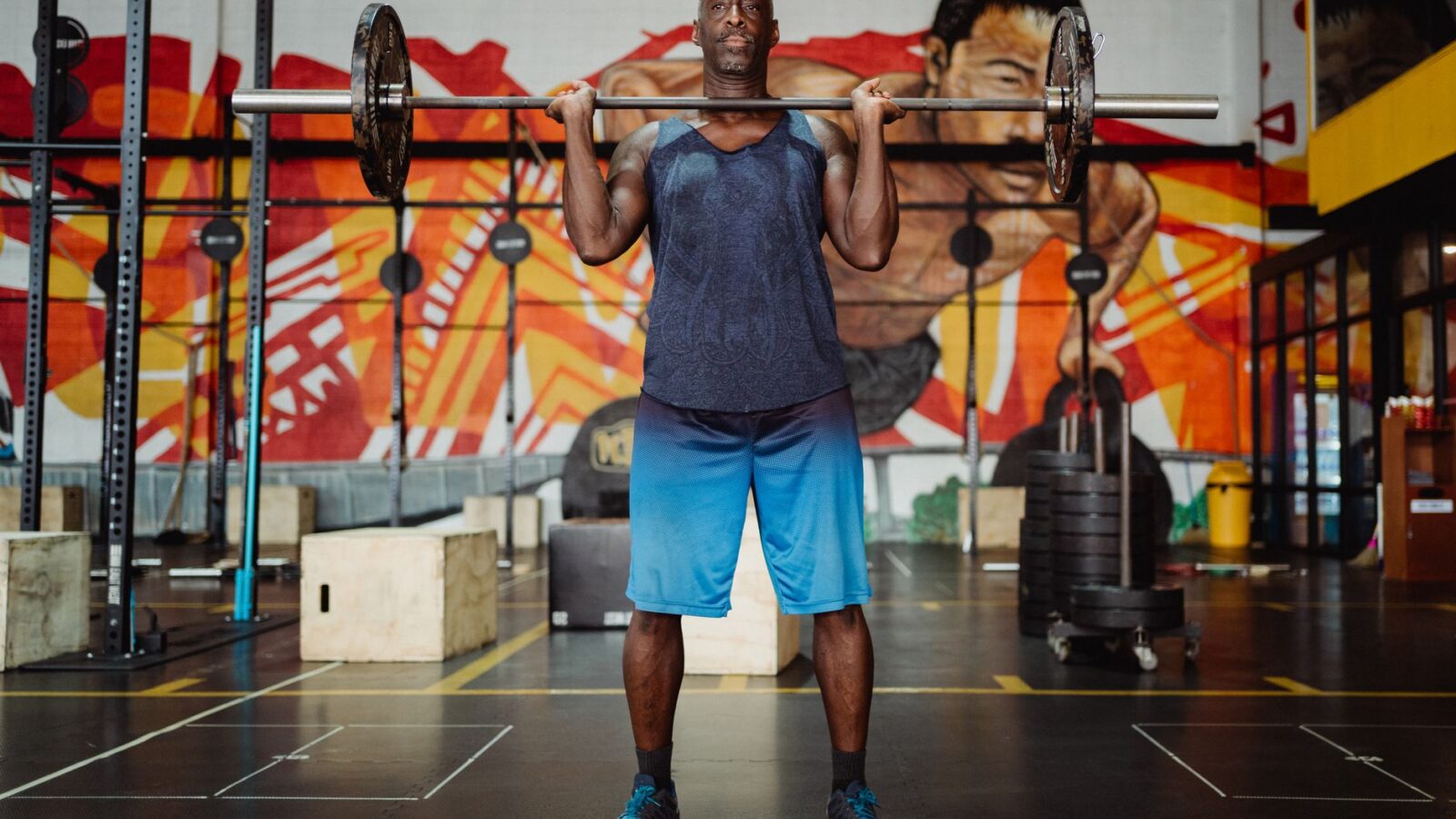
Ever notice how a dumbbell full body workout can deliver the best gains even in a cramped living room, a hotel lobby, or even a park bench? If you’re chasing muscle without the fancy gym or pricey equipment, a dumbbell-only full‑body routine is a game‑changer. You only need a pair of adjustable or fixed‑weight dumbbells and a spot of space, and you can hit every major muscle group, build strength, and keep your budget intact.
Most beginners think they need a rack, a barbell, or a membership to see results. That’s a myth. With the right plan and a bit of consistency, you can sculpt lean, strong muscles anywhere you can stand. And the best part? You can start today with a single pair of dumbbells that cost less than a gym membership for a month.
A well‑designed dumbbell full body workout can target every major muscle group efficiently, making it ideal for busy schedules.
Ready to learn how to turn that pair into a full‑body powerhouse? Let’s dive in.
When you follow a dumbbell full body workout consistently, you’ll notice improvements in strength and muscle tone.

Why a Dumbbell Full Body Workout Wins for Muscle Building
When you’re new to training, the goal is to stimulate muscle growth and build a habit. Dumbbells provide a simple, scalable way to do that:
- Compound focus. Most dumbbell moves hit multiple joints and muscles at once, mirroring what a barbell would do.
- Versatility. From squats to presses, a single weight can work arms, chest, back, shoulders, and legs.
- Convenience. No need to find a weight rack or travel to a gym. A pair of dumbbells fit in a backpack.
- Cost‑effectiveness. A good set can last years, especially if you start with adjustable weights that grow with you.
- Safety. You control the load and can stop quickly if something feels off.
Harvard Health emphasizes that using free weights like dumbbells can improve functional strength and overall health.
Because the routine is full‑body, you get more work per session, which is ideal when you’re limited on time or can’t hit the gym every day. The key is to keep the volume high enough to drive hypertrophy but not so high that you burn out before you’re ready to progress.
Building the Core: The 4‑Exercise Dumbbell Full Body Workout Circuit
Below is a simple, yet highly effective, circuit you can perform 3–4 times per week. Each exercise is a compound movement that targets two or more major muscle groups. Perform 3–4 sets of 8–12 reps, resting 60–90 seconds between sets. If you’re just starting, aim for the lower end of the rep range; as you get stronger, add weight or reps.
- Dumbbell Squat to Press (Thruster). This move works quads, glutes, hamstrings, shoulders, and triceps. Hold a dumbbell in each hand at shoulder height. Squat down, then explode upward, pressing the weights overhead as you stand.
- Renegade Row. A hybrid of a plank and a row. Start in a high plank with a dumbbell in each hand. Row one weight up while stabilizing with the other arm, then switch sides. This targets back, core, and arms.
- Dumbbell Romanian Deadlift. Focus on hip hinge mechanics. With a slight bend in the knees, lower the dumbbells along the shins while keeping the back neutral. This hits hamstrings, glutes, and lower back.
- Dumbbell Chest Press on Floor or Bench. If you have a bench, great; otherwise, lay on the floor. Push the weights up, keeping elbows at a 45‑degree angle. This works chest, shoulders, and triceps.
Optional Add‑Ons (if you have a bit more time or want to tweak the routine):
- Dumbbell Lunge or Split Squat. Great for unilateral leg strength.
- Dumbbell Bicep Curl to Overhead Press. Combines a curl with a press for a full upper‑body burn.
- Dumbbell Russian Twist. Finish with core work that doesn’t require extra equipment.
Because each movement engages multiple joints, you can keep the workout time under 45 minutes, even when you’re doing it in a hotel room.
Customize your dumbbell full body workout by adjusting weight, reps, and rest intervals to keep progressing.
How to Scale and Progress Without a Rack
Progression is the secret sauce of any muscle‑building program. With dumbbells, there are several ways to keep the stimulus fresh:
- Increase Weight. If you’re using adjustable dumbbells, add a 2.5–5 lb plate each time you hit the upper rep range consistently.
- Add Reps. Once you can do 12 reps comfortably, bump to 15 or 20.
- Slow the Tempo. Lower the weight in 3–4 seconds, then explode up. This increases time under tension.
- Reduce Rest. Cutting rest to 45 seconds makes the workout more intense and boosts metabolic stress.
- Change the Angle. Switch from flat chest press to incline by placing the dumbbells on a sturdy chair or bench to hit the upper chest.
- Single‑Arm Variations. Perform the same exercise one arm at a time to increase the load per side and challenge stability.
Keep a simple log: weight, sets, reps, and how you felt. When you can do the top end of the rep range for all sets, it’s time to bump the weight or add a set.
Anywhere, Anytime: Adapting the Routine to Your Environment
One of the biggest barriers to consistent training is the need for a dedicated space. Here’s how to make the most of any setting:
- Home. Use a sturdy chair or low table as a bench. If you have a yoga mat, you can perform floor presses or squats without any equipment.
- Office. A conference room with a table can serve as a bench. Use a small set of weights to fit in a brief lunch break.
- Travel. A pair of lightweight dumbbells (5–15 lb) fit in a carry‑on. Perform the circuit in a hotel room, a hotel gym, or even a hotel balcony if you have a small outdoor space.
- Park or Outdoor Space. If you’re near a bench or a sturdy