
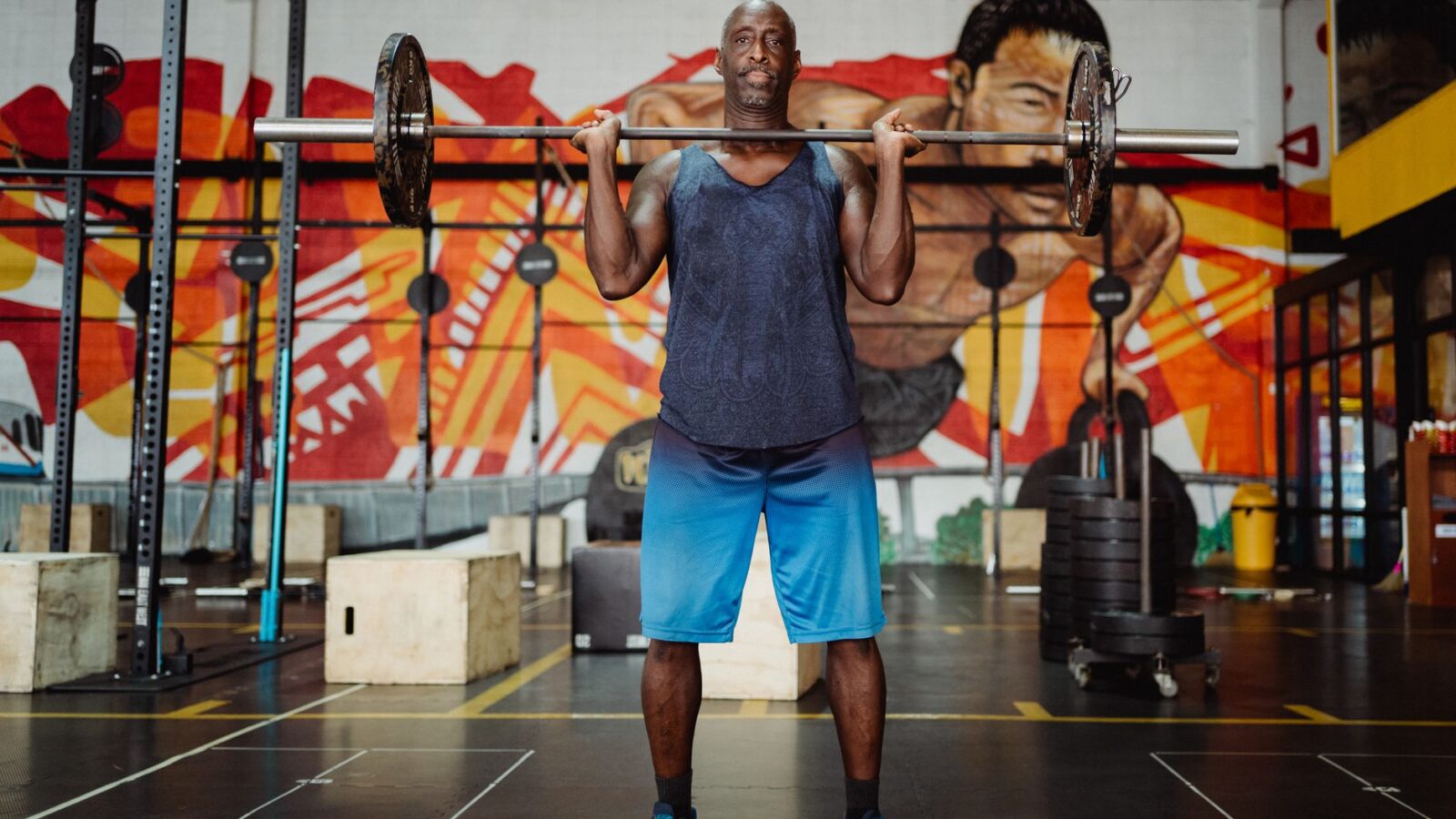
When you’re starting out in the gym, one of the first questions that pops up is: “Is this muscle soreness vs injury normal or should I be worried?” A dull, aching stiffness after a squats session feels a lot like the classic “muscle soreness” we all know, but a sharp, lingering pain that keeps you from moving a joint can mean something far more serious. Knowing the difference can save you time, money on unnecessary treatments, and most importantly, keep you from hitting a wall in your muscle‑building journey.
Muscle soreness and injury share a name—pain—but they’re not the same. Muscle soreness is usually a temporary, harmless side‑effect of a good workout. An injury, on the other hand, is a structural damage that may need medical attention, rest, or rehab. If you’re a beginner or on a tight budget, learning to spot the red flags will help you keep training safely without costly doctor visits. Understanding muscle soreness vs injury helps you train smarter and avoid setbacks.
Stick with me and you’ll learn how to tell the two apart, what to do when you’re unsure, and how to protect yourself without breaking the bank.

1. The Science of Muscle Soreness vs Injury
When you lift weights or push your body beyond its usual limits, you create tiny microtears in the muscle fibers. This is the body’s way of signaling that it needs to repair and grow stronger. The result? Delayed Onset Muscle Soreness, or DOMS. It’s a normal part of the adaptation process.
- Timing: DOMS usually starts 12–24 hours after the workout and peaks around 48 hours.
- Location: It’s felt deep in the muscle belly, not at a joint or tendon.
- Quality: The pain is achy, throbbing, or a general “tightness.” It eases with gentle movement.
- Duration: A few days. It clears up as the muscle repairs itself.
Because DOMS is a natural response, you can’t “prevent” it entirely. But you can reduce its intensity by warming up properly, staying hydrated, and ensuring adequate protein and sleep. These are inexpensive habits: a quick 5‑minute jog, a glass of water, and a 7‑hour night of rest.
2. When Pain Turns Into Muscle Soreness vs Injury
Injuries happen when the strain on a muscle, tendon, or joint exceeds its capacity, leading to tears, sprains, or bruises. Unlike DOMS, an injury often occurs during the activity or immediately afterward. The pain is usually sharper, localized, and may come with swelling or a loss of function.
- Types of common beginner injuries:
- Muscle strain: Overstretch or overuse of a muscle, often in the lower back or hamstrings.
- Tendonitis: Inflammation of a tendon, common in the elbow (tennis elbow) or Achilles.
- Joint sprain: Ligament damage, such as a mild ankle sprain from a bad step on a treadmill.
- Bruising or hematoma: Blood pooling under the skin after a hard hit.
- Signs to watch for:
- Sharp, localized pain that doesn’t improve with gentle movement.
- Visible swelling, bruising, or a deformity.
- Inability to bear weight or use a joint normally.
- Pain that worsens with time or activity rather than improves.
Injuries can happen to anyone, but beginners are especially prone because of poor form, lack of warm‑up, or overreaching. The good news? Many injuries can be avoided or treated early with simple, budget‑friendly steps. According to Harvard Health, a proper warm‑up dramatically reduces the risk of turning muscle soreness into an injury.

3. How to Tell the Difference on the Spot
This quick guide lets you tell muscle soreness vs injury apart on the spot.
Here’s a quick decision tree you can use after a workout or a strange ache:
- When did it start?
- DOMS: 12–48 hours post‑exercise.
- Injury: During or immediately after the activity.
- Where is the pain?
- DOMS: Deep in the muscle belly.
- Injury: At a joint, tendon, or a specific spot.
- What does it feel like?
- DOMS: Achy, dull, “tight.”
- Injury: Sharp, burning, or a “stabbing” sensation.
- Do you have swelling or bruising?
- DOMS: Usually none.
- Injury: Often present.
- Can you move the area normally?
- DOMS: Movement is possible, sometimes painful.
- Injury: Movement may be limited or impossible.
If you answer “yes” to most of the injury questions, it’s wise to pause that exercise, apply the R.I.C.E. method (Rest, Ice, Compression, Elevation), and monitor the pain. If it improves in 24–48 hours, you’re probably dealing with DOMS. If it lingers or worsens, consider seeing a physical therapist or a sports doctor. Even a quick visit can be cost‑effective if it prevents a more serious problem down the line.

4. Budget‑Friendly Ways to Manage Soreness and Prevent Injury
You don’t need a fancy gym membership or expensive equipment to stay on track. Here are some low‑cost, high‑impact strategies for both soreness and injury.
- Dynamic warm‑ups: A 5‑minute routine of leg swings, arm circles, and bodyweight squats gets blood flowing without a gym pass.
- Foam rolling or lacrosse ball rolls: A cheap foam roller or a tennis ball can relieve muscle tightness and improve mobility.
- Stretching after workouts: Spend 5–10 minutes on static stretches to help reduce DOMS.
- Hydration and electrolytes: A simple bottle of water and a pinch of salt keeps your cells working efficiently.
- Protein on a budget: Eggs, canned tuna, or a scoop of whey in water are affordable ways to support muscle repair.
- Sleep: A consistent 7‑8 hour schedule is free and the best recovery tool.
- Progressive overload with caution: Increase weights gradually—1–2% each week—to avoid overstressing tissues.
- Listen to your body: If you feel a sharp pain, stop. Don’t push through it.
When an injury is suspected, treat it promptly:
- Rest: Give the affected area time to heal. Use a simple pillow or brace if needed.
- Ice: A bag of frozen peas wrapped in a towel works well for the first 48 hours.
- Compression: A tight elastic bandage can reduce swelling without a costly compression sleeve.
- Elevation: Keep the injured limb higher than your heart to cut down on fluid buildup.
- Gentle movement: Light range‑of‑motion exercises keep blood flowing and prevent stiffness.
These steps can be done at home, saving you a trip to the gym or a pricey physio session. For more beginner mistakes and tips, see more workout tips.
