
Budget workout tracking is a smart move for building muscle on a budget. It means you’re getting more bang for every dollar, but it also means you can’t afford to waste time or money on gimmicks. The only way to know if your cheap barbell, body‑weight routine, or $10 protein shake is actually working is to track the results. If you’re not measuring, you’re just guessing, and that’s a recipe for disappointment.
In this post, I’ll walk you through a simple, cost‑effective system for budget workout tracking and measuring real progress. Think of it as a cheat sheet that turns your gym time into data you can analyze, tweak, and celebrate. By the end, you’ll have a clear plan that fits any budget and helps you see the gains you’re making, even when the scale stays stubborn.
Why Budget Workout Tracking Is the Foundation of Muscle Growth
Everyone wants to see the muscle pop up on the arm or the body fat drop. But muscle growth is a slow, incremental process. Without a reliable way to measure changes, you’ll be stuck in a cycle of “did I lift more last week?” and “maybe I’m not eating enough.” Tracking gives you three major benefits:
- Objectivity – Numbers remove the guesswork. If you can see the weight on the bar increase from 150 to 170 pounds, you know progress is happening.
- Plateau detection – When your numbers stall, you know it’s time to change volume, intensity, or recovery.
- Motivation – Seeing a chart or a photo timeline is a powerful reminder that your effort is paying off.
In a budget gym environment, where you might be using the same squat rack for everyone, tracking becomes even more critical. It lets you make the most of limited equipment and avoid over‑training the same muscle groups.
Choosing the Right Budget Workout Tracking Tools
You don’t need a fancy app or a subscription to a gym‑tech platform. The most effective trackers are simple, free, and accessible. Below are three options that work for beginners and fit any budget.
All of these options support budget workout tracking without breaking the bank.
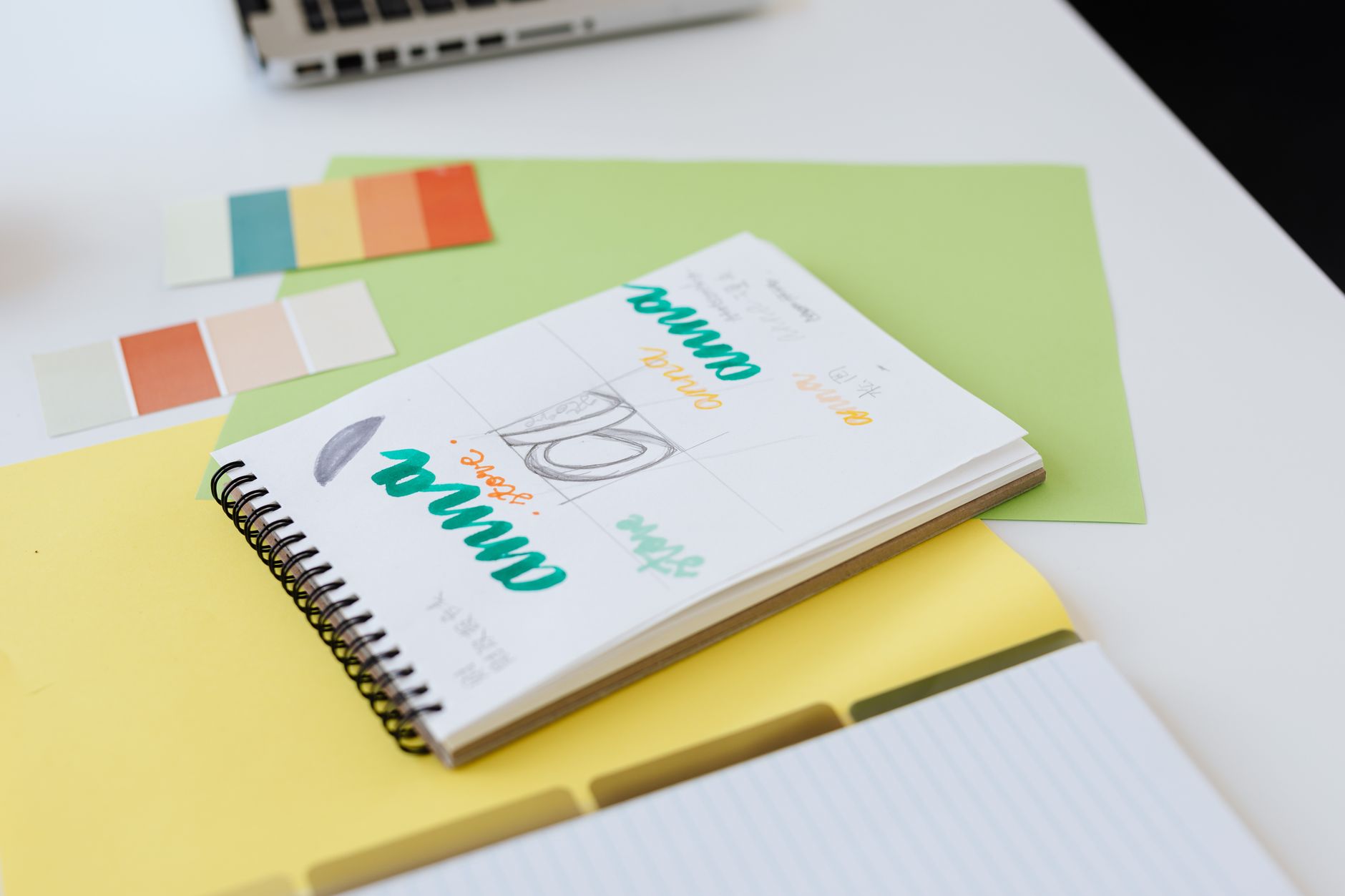
Paper Log
Grab a notebook or print a template. A paper log feels tangible and is great for people who like to write things down. Here’s a minimal layout:
- Exercise name
- Sets x reps
- Weight (lbs or kg)
- Rest time (seconds)
- RPE (Rate of Perceived Exertion) – 1 to 10 scale
- Notes (form issues, fatigue level, etc.)
When you’re at home, you can even use a grocery list app on your phone and convert it into a workout log with a few tweaks.
Google Sheets or Excel
A spreadsheet gives you instant visual feedback. You can create columns for each metric and use simple formulas to calculate total volume or weekly averages. Here’s a quick setup:
- Column A – Date
- Column B – Exercise
- Column C – Sets
- Column D – Reps per set
- Column E – Weight
- Column F – Total Volume (Sets × Reps × Weight)
- Column G – RPE
- Column H – Notes
To keep it budget‑friendly, use free templates from the internet or create one from scratch. Once you have a few weeks of data, you can add a simple line chart to visualize progress over time.
Free Apps
Apps like FitNotes, JEFIT, or MyFitnessPal (free version) let you log workouts, set goals, and track body measurements. If you prefer digital over paper, try the app that feels most intuitive. Just remember: consistency is key. Pick one system and stick with it for at least 12 weeks to see meaningful trends.

What to Track: Beyond the Weights
Many people focus only on the numbers on the barbell, but muscle building is multifaceted. Below are the core metrics you should capture to get a full picture of progress.
Strength Metrics
Track your main lifts: squat, bench press, deadlift, overhead press, and barbell rows. Record the heaviest weight you can manage for a single rep (1RM) or a safe 5RM. If you’re new, a 3RM or 5RM is sufficient. Over time, a 5% increase in these lifts usually signals real strength gains.
Volume Metrics
Total volume (sets × reps × weight) is a great indicator of training stimulus. If you’re staying in the same weight range but increasing volume, you’re still pushing your muscles harder, which can lead to hypertrophy.
Body Measurements
Grab a tape measure and record waist, hips,