
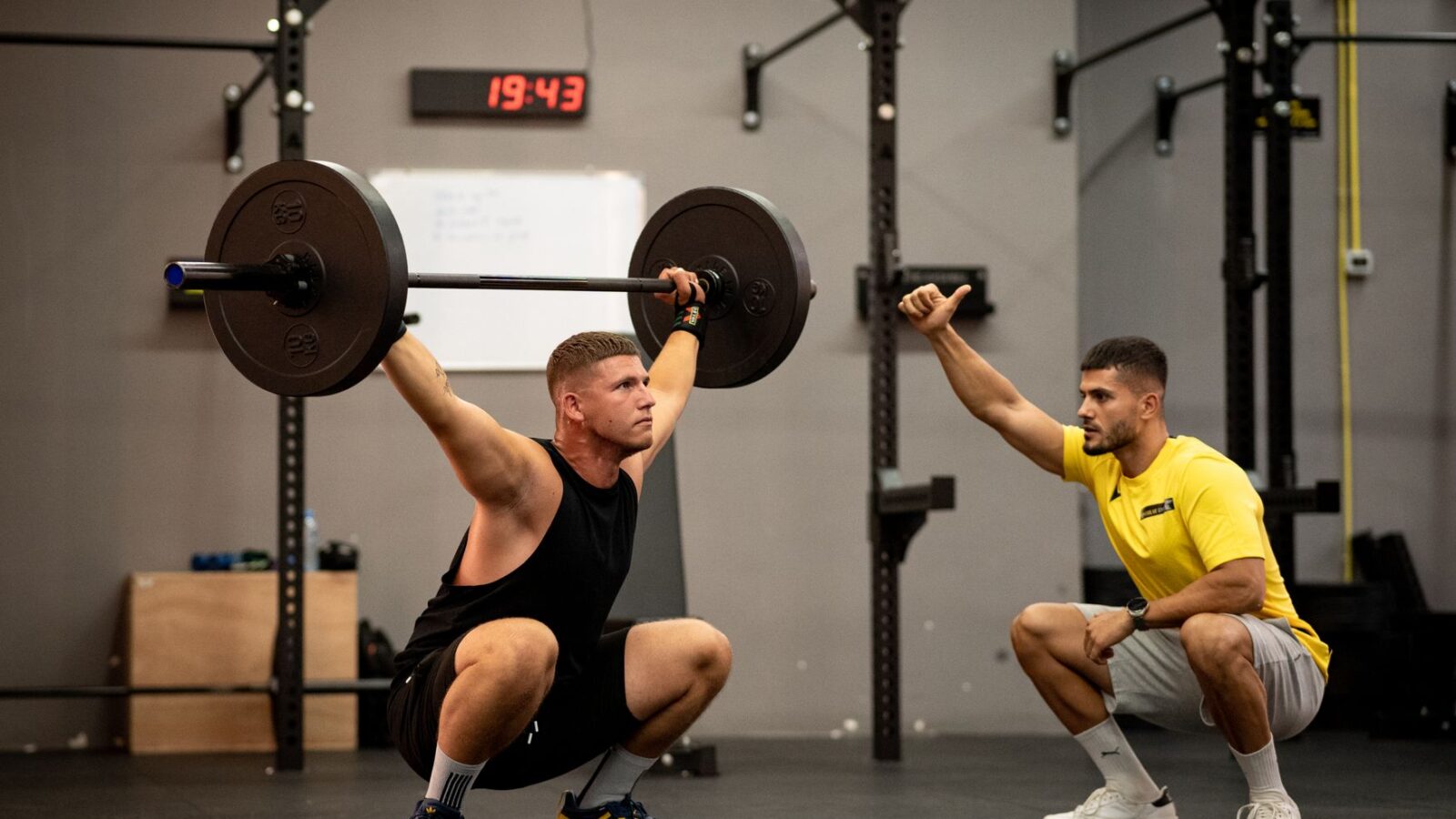
When you’re just starting out in the gym, building budget grip strength is essential, and you’ll likely focus on the big lifts—deadlifts, squats, bench presses—because they’re the classic markers of strength and muscle growth. But there’s one component that often gets overlooked, especially on a tight budget: grip strength. A solid grip can be the difference between squeezing out a heavier set and having your fingers slip before you hit the floor. And the best part? You can build a powerful grip without breaking the bank. For more workout tips, see exercise form and technique guide.
Think about the last time you tried to pull a heavy bar or hold a set of dumbbells, and your fingers started to feel like they were going to fall off. Developing budget grip strength doesn’t require expensive equipment. That’s not just a nuisance; it’s a performance limiter. In this post, we’ll dig into why grip matters for every lift, how a weak grip can sabotage your progress, and how you can boost it using cheap or even free tools. By the end, you’ll have a clear plan to integrate grip work into your routine without spending a fortune.

1. The Anatomy of Budget Grip Strength
When we talk about grip strength, we’re really talking about the muscles of the forearm, hand, and even the shoulder stabilizers that work together to hold and control a barbell. The primary muscles involved are the flexor digitorum superficialis and profundus, the flexor pollicis longus, and the extensors that keep your hand from over‑flexing. These muscles are tiny but powerful; they’re the ones that fatigue first, especially when you’re lifting heavy or holding a bar for an extended period.
Every major compound lift engages the grip, whether it’s a deadlift, a pull‑up, or a bench press. In the deadlift, the grip is the final line of defense before the weight slides off. In the bench press, a weak grip forces you to rely on the shoulders and chest alone, which can limit the amount of weight you can push. Even in the squat, a solid grip helps keep the bar stable on the rack, preventing it from drifting or sliding off the shoulder pads.
Because the grip is a shared component across many exercises, a deficiency can ripple across your entire program. If you’re struggling to hit a new personal record in the bench press, it might not be the chest that’s weak—it could be your fingers. That’s why many advanced lifters add grip work to their training; it’s a low‑cost, high‑impact strategy for unlocking new lifts.
2. How a Weak Budget Grip Strength Sabotages Your Lifts
Let’s break down the most common scenarios where grip strength becomes a bottleneck.
- Deadlift Failure: The deadlift is often the first lift you notice a grip limit. Even with a solid back and leg drive, the bar will slip if your fingers can’t hold it. You might lift 300 lbs for a set, but the bar will roll out after two reps.
- Bench Press Drop‑Off: When your grip weakens mid‑set, the bar can start to tilt or shift, forcing you to lower it prematurely. This not only reduces volume but also increases injury risk.
- Rowing and Pulling Exercises: In bent‑over rows, lat pull‑downs, or pull‑ups, a weak grip can cause you to “drop the bar” before you finish the rep, which compromises technique and limits the load you can handle.
- Accessory Work: Even in lighter accessory movements like biceps curls or triceps extensions, a poor grip can reduce the amount of weight you can lift, which in turn limits hypertrophy.
Beyond the immediate lift, a weak grip can also affect your overall workout quality. When your hands are fatigued, you may need to shorten your sets or reduce the number of reps. This cuts down on volume, which can slow muscle growth. And if you’re using lifting straps to compensate, you’re not training the muscles that actually hold the weight, which can create imbalances.
So, if you’ve hit a plateau or feel like your progress is stalled, consider whether grip strength might be the hidden variable. It’s a small adjustment that can unlock a lot of potential.
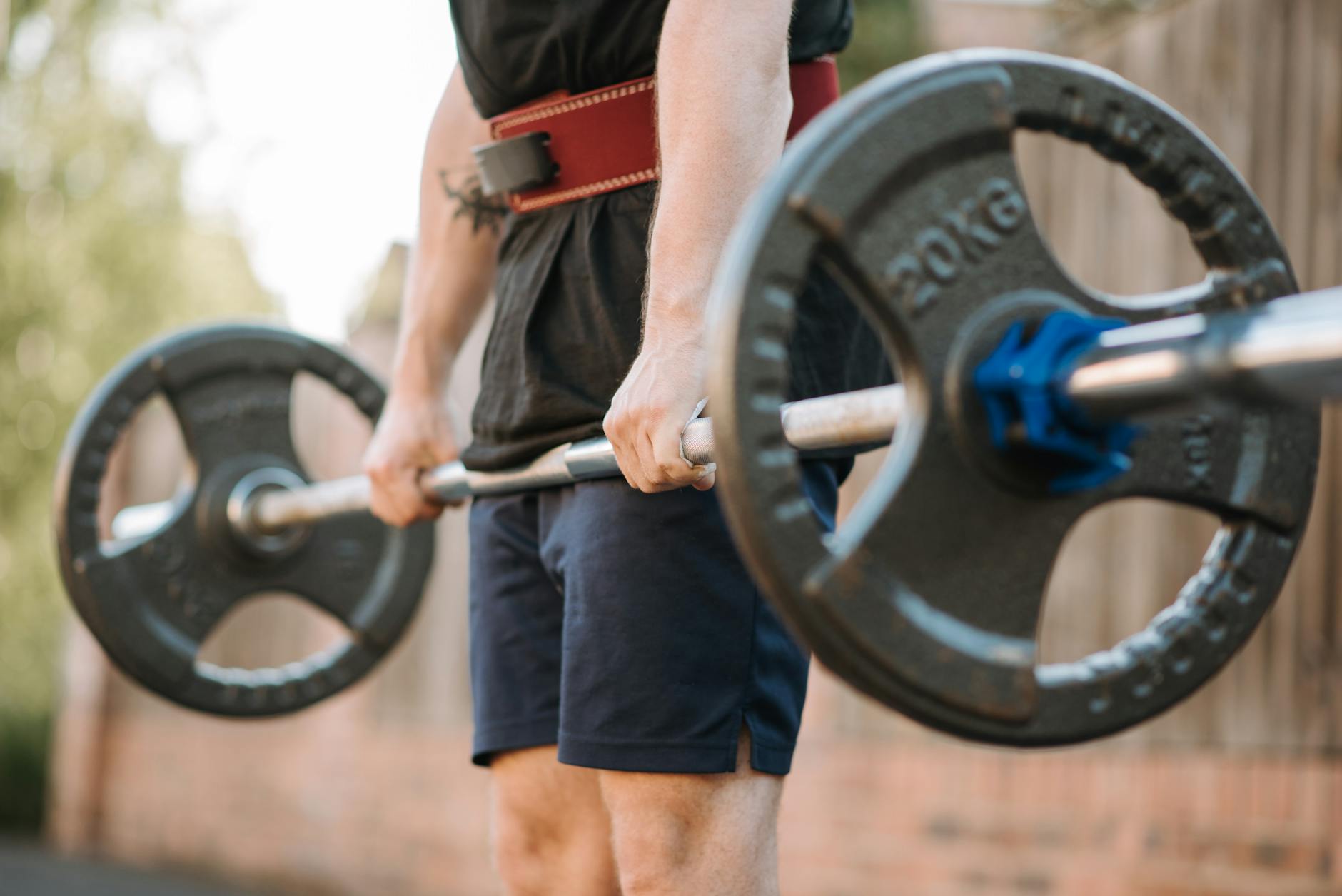
3. Budget‑Friendly Ways to Strengthen Your Grip
Now that we know why grip matters, let’s look at practical, inexpensive methods to build it. These exercises are perfect for building budget grip strength without pricey gear. You don’t need fancy equipment; a few everyday items and a solid plan will get you there.
3.1. Farmer’s Walks with Household Items
Grab two heavy objects—think duffel bags filled with books, a pair of milk crates, or even a backpack stuffed with canned goods—and walk a set distance or time. This move trains both grip and overall stability. It’s free, and you can adjust the weight by adding or removing items. Aim for 3 sets of