

When you’re just starting out at the gym and looking for a budget creatine supplement, the price tag on high‑end supplements is a hurdle, but you’ll want something that delivers a real lift without breaking the bank.
Most beginners hear “creatine” and picture a fancy powder with a fancy name. In reality, the simplest version of the supplement does the heavy lifting. Whether you’re deadlifting, sprinting, or just looking to keep your muscles from feeling like a rubber band, creatine can give you a measurable edge. Let’s dig into what it actually does, how to use it without overspending, and why it’s a staple for anyone who wants to build muscle on a budget. Choosing a budget creatine supplement ensures you get the benefits without overspending.
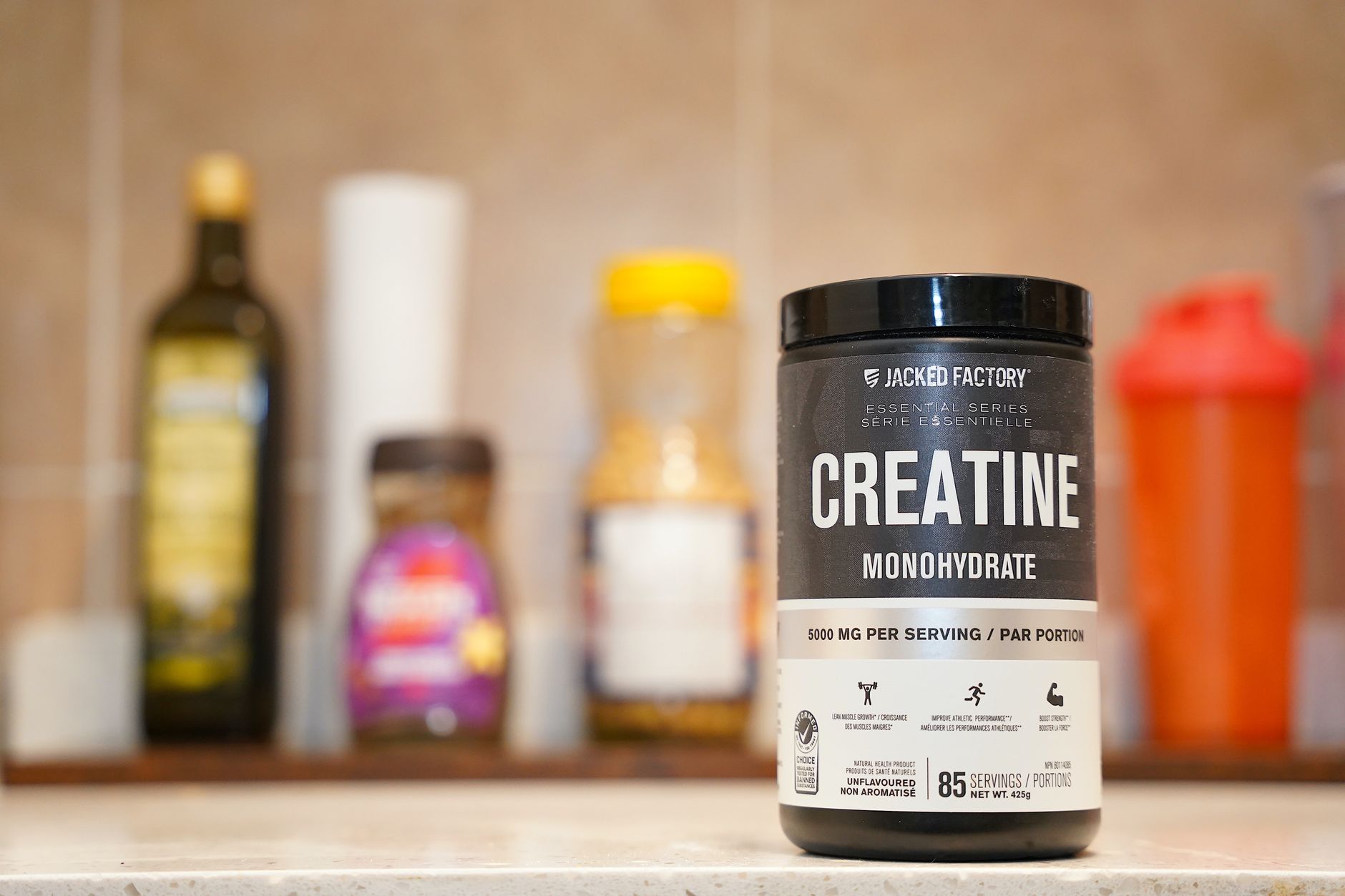
1. What a Budget Creatine Supplement Is and How It Works
Creatine is a naturally occurring compound that lives in your muscles, brain, and kidneys. Your body makes it from amino acids—primarily arginine, glycine, and methionine—about 1–2 grams per day. You also get it from foods like beef and fish, but the amount is small compared to what a supplement can provide.
Inside the muscle cell, creatine is stored as phosphocreatine. When you sprint or lift a heavy weight, your muscles need a quick burst of energy. That energy comes from adenosine triphosphate (ATP). Phosphocreatine donates a phosphate group to ADP, regenerating ATP in a fraction of a second. The more phosphocreatine you have, the faster your muscles can produce ATP, and the longer you can push hard before fatigue kicks in.
Because the body can only store a limited amount of creatine, supplementing pushes that storage to its maximum. The result? Higher power output, more reps, and a quicker recovery between sets. Over time, those extra reps translate into more muscle growth because you’re training at a higher intensity.
Key takeaway: Creatine is the fuel that lets your muscles work harder for longer, and it’s available for a fraction of the cost of most other performance boosters.
2. Types of Budget Creatine Supplements and Which Is Best for a Budget‑Friendly Routine
There are several forms of creatine on the market, but most people and research agree that creatine monohydrate is the gold standard for beginners. It’s proven, inexpensive, and safe.
- Creatine Monohydrate – The most studied type. A single scoop (about 5 grams) costs a few dollars and can be mixed with water or juice. It’s the most reliable for boosting muscle strength.
- Micronized Creatine Monohydrate – Same chemical structure as regular monohydrate but with smaller particles. It dissolves better in liquids and may reduce stomach upset for some users, but the price is only marginally higher.
- Creatine Ethyl Ester, Hydrochloride, or Buffered Creatine – Marketed as easier on the stomach or faster absorption. The evidence is mixed, and these variants can cost 2–3 times more than plain monohydrate.
If you’re watching your wallet, stick with standard monohydrate. A 200‑gram bag will last you around 40 weeks at a 5‑gram daily dose. That’s less than $30 for a year of muscle‑boosting power.
When comparing options, look for the most cost‑effective budget creatine supplement that still offers pure monohydrate.
Tip for budget shoppers: Look for bulk purchases or store brands that list “pure creatine monohydrate” on the label. Avoid fancy blends unless you’re willing to pay for the extra cost.
3. How to Use Creatine Effectively
Using creatine correctly can shave days off your progress. Below are the most common protocols and a simple way to fit them into a beginner’s routine.
Loading Phase vs. Maintenance Phase
Many people start with a loading phase of 20 grams per day (split into 4 doses) for 5–7 days. This saturates your muscles quickly. Afterward, a maintenance dose of 5 grams per day keeps the levels high.
For those who want to avoid the extra cost and potential stomach discomfort of a loading phase, you can skip it and simply take 5 grams daily from the start. It will take about 3–4 weeks to reach the same saturation level, but the end result is identical. This “steady‑state” approach is often preferable for beginners who are just getting used to supplements.
When to Take It
- Post‑Workout – The muscle is primed to absorb nutrients.