

When you’re just starting out, figuring out the beginner training frequency can feel like a maze of schedules and split ideas. “Should I hit the chest twice a week or once?” “What’s the best way to spread out my workouts so I get muscle without burning out?” These questions matter more than you think, especially when you’re watching your wallet and your calendar. Muscle growth isn’t just about lifting heavy; it’s also about giving the tissue enough time to repair and adapt.
Think of beginner training frequency like watering a plant. Too little and it wilts; too much and the roots rot. For beginners, finding that sweet spot can shave hours off a week and keep the gains steady, not a roller‑coaster. Below, we’ll break down the science, the practical split options, and how to tweak your routine without buying a new gym membership. For more workout tips, see our more workout tips.
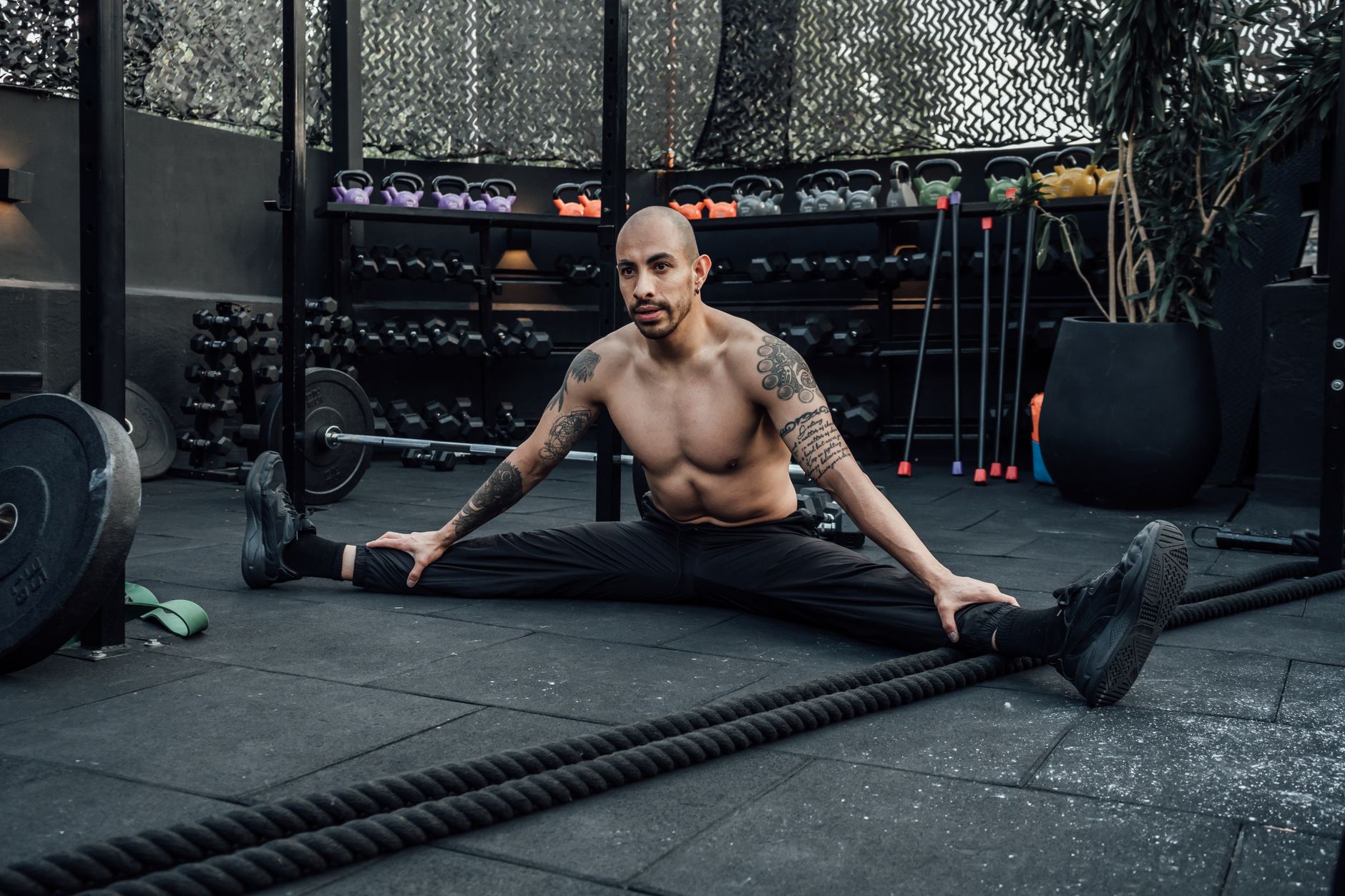
1. Beginner Training Frequency: The Recovery Loop
Every rep you do creates microscopic tears in the muscle fibers. The body’s repair process—protein synthesis—happens mainly when you’re resting, not while you’re still in the gym. Research shows that muscle protein synthesis spikes for about 24 to 48 hours after a workout, then tapers off. That means if you train the same muscle group every day, you’re not giving it a chance to rebuild.
Harvard Health emphasizes that adequate rest is essential for muscle repair. Keeping an eye on your beginner training frequency helps you stay within optimal recovery windows.
For beginners, the body is more efficient at recovering because the nervous system is still learning to recruit fibers. That translates to a broader window of safety: you can train a muscle twice a week and still see gains, as long as you keep volume and intensity reasonable. If you push too hard without enough rest, you’ll hit the “overtraining” zone, where progress stalls and injuries loom.
Budget‑friendly gains rely on smart recovery. Sleep, nutrition, and active rest are cheaper than a fancy recovery device. Aim for 7–9 hours of sleep, a protein‑rich meal within an hour post‑workout, and a light walk or mobility routine on rest days. These low‑cost habits amplify the benefits of every workout.
2. Split Styles and Beginner Training Frequency Impacts
Now that we know why rest matters, let’s look at how different split routines distribute that rest across muscle groups.
Full‑Body (2–3× a week)
Each session hits every major group once or twice. This approach is great for beginners because it naturally balances volume and recovery. If you train full‑body twice a week, each muscle gets a hit every 3–4 days. That’s a sweet spot for growth without overloading.
Upper/Lower (4× a week)
Alternating upper and lower body days lets you train each half of the body twice a week. For example, Monday upper, Tuesday lower, Thursday upper, Friday lower. This split keeps total weekly volume high but gives each muscle a full day of rest between sessions. It’s budget‑friendly because you can use the same equipment (bench, barbell, dumbbells) for both upper and lower sessions.
Push/Pull/Legs (3× a week)
Each muscle group is grouped by movement pattern. Push (chest, shoulders, triceps), Pull (back, biceps), Legs. Training each once a week means each muscle gets a rest period of 5–6 days. That’s okay for beginners who are still learning to recover quickly, but it can be too low for those who want faster hypertrophy. Adding a second Push or Pull day (e.g., a 4‑day split) can raise frequency without adding expensive equipment.
Hybrid 4‑Day (Push/Pull + Upper/Lower)
Combine the benefits of both worlds: two upper days (Push and Pull) and two lower days. Each muscle gets two hits per week with 48‑hour rest between same‑muscle sessions. This is a popular choice for budget gyms because it uses the same machines and allows you to fit workouts into a busy schedule.
Remember: the “best” split isn’t universal. Pick one that fits your time, recovery ability, and equipment access. If you can only spare three days a week, a full‑body routine is solid. If you have a bit more time, a 4‑day Upper/Lower split gives a bit more focus on each group.

3. Tailoring Frequency to Your Goals and Experience
Frequency is not a one‑size‑fits‑all number. Here’s how to dial it in based on what you want and how your body feels. Adjusting your beginner training frequency as you progress ensures continued gains.
- Goal: Strength – If you’re aiming for raw strength, you’ll often need higher intensity and lower volume. A 3‑day full‑body or 4‑day Upper/Lower split works well because the load per session is heavier. You’ll train each muscle