
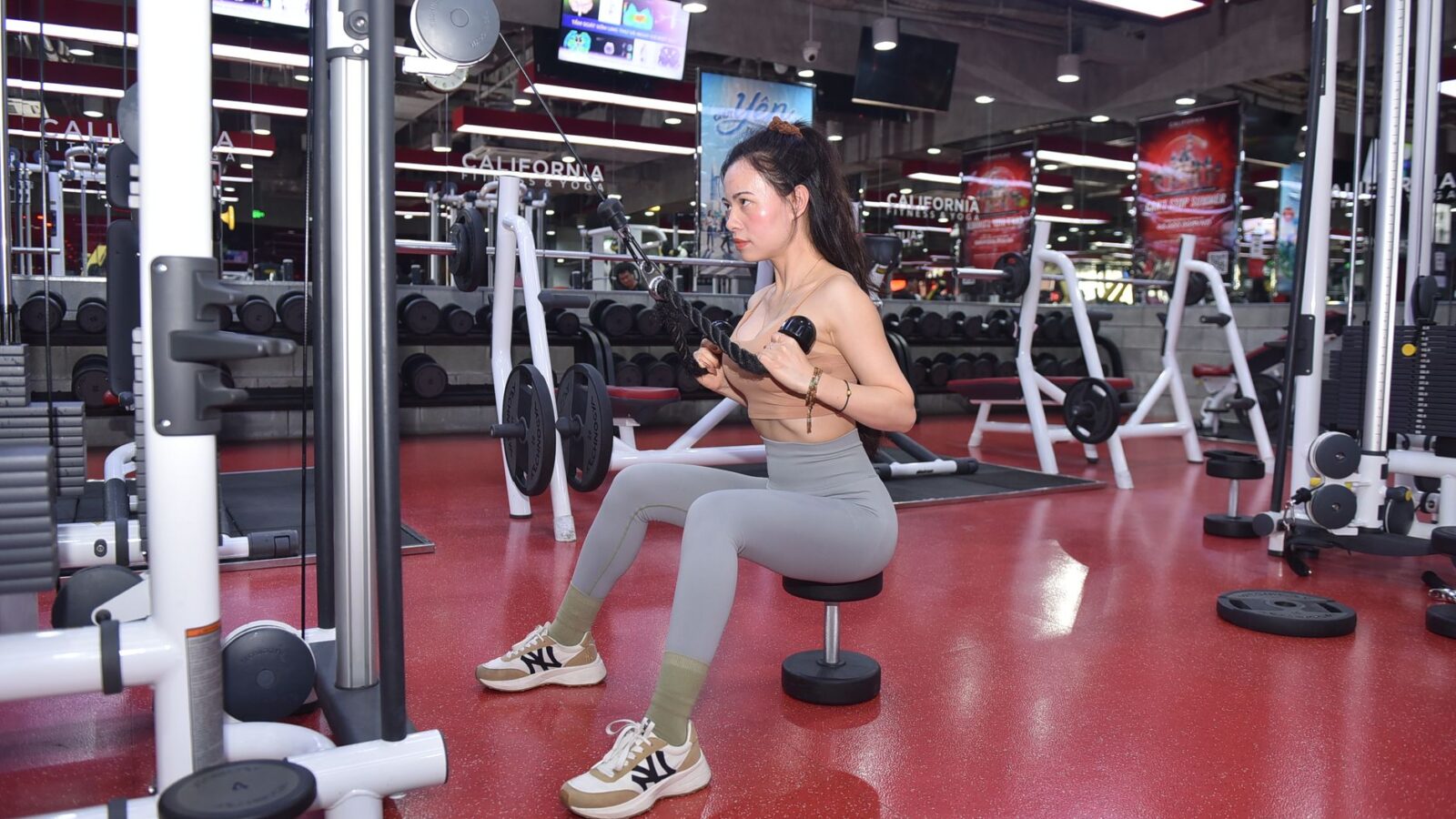
Ever wonder if intermittent fasting muscle growth is possible while you’re only eating a few hours a day? If you’re a budget‑conscious beginner, the idea of cutting out a chunk of the day to eat might feel like a win—fewer meals, less grocery time, and maybe even a slimmer waistline. But the real question is: does intermittent fasting actually help you build muscle, or does it hold you back?
Intermittent fasting (IF) has become the latest buzzword in every fitness forum and Instagram feed. Some swear by it, others say it’s a gimmick. The truth isn’t black or white—it depends on how you pair the eating window with training, protein, and recovery. In this post, I’ll walk you through the science, the evidence, and the practical steps you can use to make IF work for muscle growth without breaking the bank.
Understanding the Science Behind Intermittent Fasting Muscle Growth
At its core, IF is a pattern of eating that alternates between periods of fasting and feeding. The most common model for beginners is the 16/8 split: you fast for 16 hours, then eat all your calories in an 8‑hour window. Other variations include 20/4, 5:2, or even time‑restricted eating that lines up with your training schedule.
Why does this matter for muscle building? Muscle protein synthesis (MPS) is the process that repairs and builds new muscle fibers after a workout. It’s triggered by resistance training and protein intake. The timing of protein can influence the magnitude of MPS, but the body’s total protein consumption over 24 hours is usually more important than the exact timing. Research shows that an intermittent fasting muscle approach, when combined with proper protein timing, can still stimulate strong MPS responses.
During a fast, insulin levels drop, and the body shifts toward catabolism—burning stored glycogen and, if prolonged, some muscle protein for fuel. However, the body also ramps up growth hormone (GH) production, which can help preserve muscle mass and stimulate new growth. The key is balancing the increased GH with enough protein and training stimulus to keep MPS high.
For budget‑friendly beginners, the good news is that IF doesn’t require expensive supplements or fancy equipment. It’s simply a way to structure your meals, and when combined with a solid workout routine and smart food choices, it can support muscle growth. For more workout tips, explore our beginner guide.
What the Research Says About Intermittent Fasting Muscle Gain
There’s a growing body of studies that compare IF with continuous feeding (CF) in people looking to build muscle. A 2021 meta‑analysis of 15 randomized trials found that when protein intake is matched, IF does not significantly reduce lean mass gains compared to CF. In some cases, athletes on a 16/8 schedule reported similar or slightly higher gains in strength, especially when the training session fell toward the end of the feeding window.
Several studies specifically examined intermittent fasting muscle outcomes and found comparable results to traditional eating patterns. However, other research suggests that timing matters for beginners. A 2022 study with novice lifters showed that those who ate a protein‑rich meal within 30 minutes after training had a 12% greater increase in thigh muscle volume over 12 weeks compared to those who delayed protein for two hours. If you’re doing IF, you’ll need to make sure that “post‑workout” meal comes early enough in your eating window.
Cost‑effectiveness is another angle. A few trials found that IF allowed participants to reduce overall caloric intake by 10–15% without losing muscle, which translates to fewer grocery bills and less food waste—great for the wallet.
Bottom line: IF can work for muscle building, but it requires deliberate planning around training and protein. If you’re a beginner on a budget, the trick is to treat the fasting window as a tool, not a hurdle.

How to Combine Intermittent Fasting With a Muscle‑Building Plan
Below is a practical, budget‑friendly framework that blends a 16/8 schedule with a simple strength routine and protein‑focused meals. By following an intermittent fasting muscle schedule, you keep the anabolic window aligned with your workouts. Feel free to tweak the timing to fit your lifestyle.
1. Pick Your Fasting Window
Most beginners find a 16/8 split easiest. For example, skip breakfast, eat your first meal at 12 pm, train at 4 pm, then finish the day with a dinner at 7:30 pm. The 8‑hour window can be stretched or contracted; the key is consistency.
2. Structure Your Training Around Food
Schedule workouts toward the end of the fasting period so you can refuel quickly afterward. If you train at 4 pm, you’ll finish the fast at 6 pm and have a solid protein meal ready. This reduces the risk of muscle catabolism during the fast and gives you the energy you need for a hard lift.
3. Prioritize Protein Intake
- Goal: 1.6–2.2 g protein per kg of body weight per day.
- Budget options: Eggs, canned tuna, lentils, Greek yogurt, and whey protein powder (look for sales or bulk deals).
- Meal timing: Aim for 25–30 g of protein per meal. If you’re on a 3‑meal schedule, that’s roughly 75–90 g total per meal.
4. Keep Carbs Simple and Affordable
Whole grains, sweet potatoes, oats, and frozen veggies are cheap and provide the glycogen you need for strength. A 500‑calorie meal could be a 150‑g chicken breast, 200 g sweet potato, and a cup of mixed veggies—under $5 in most grocery stores.
5. Don’t Forget Fats and Micronutrients
Healthy fats keep hormone levels stable. Add a tablespoon of olive oil or a handful of nuts to your meals. Micronutrients—especially vitamin D, zinc, and magnesium—support recovery. A simple multivitamin is a cost‑effective way to cover gaps.
6. Supplement Smartly (If Needed)
Creatine monohydrate is the most research‑backed supplement for muscle growth, and it’s cheap—$5 for a 5‑kg bottle. Pair it with a simple whey protein shake if you can’t hit protein goals with food alone. Remember, supplements aren’t mandatory, but they can make IF easier to manage.
7. Track Your Progress
Use a free spreadsheet or a simple app to log workouts, weight, and body measurements. Seeing incremental gains keeps motivation high, especially when you’re not eating every hour.
8. Adjust as Needed
If you notice a decline in strength or muscle soreness that doesn’t subside