
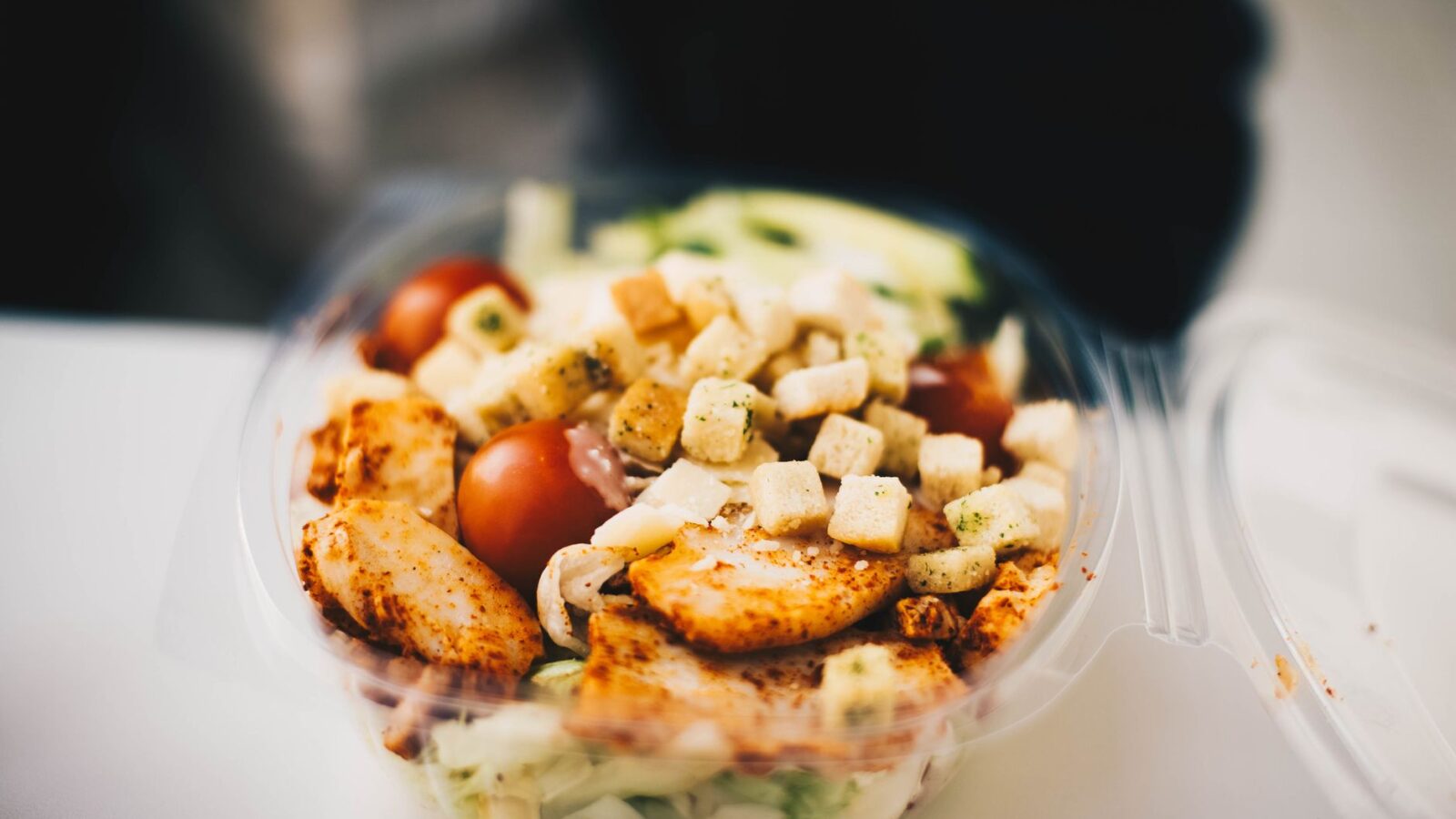
Budget high protein foods aren’t just about hitting the gym hard; they’re about getting the most muscle bang for your buck. If you’re a beginner and watching your wallet, budget high protein foods can make or break your progress. Protein is the building block of muscle, and getting enough of it doesn’t have to mean splurging on fancy bars or expensive cuts of meat.
In this post, we’ll dive into the best high‑protein foods, focusing on budget high protein foods that keep your gains on track without draining your bank account. From classic staples to clever hacks, you’ll learn how to stack your plate for strength, recovery, and real results.
Ready to refuel smarter? Let’s get into it.
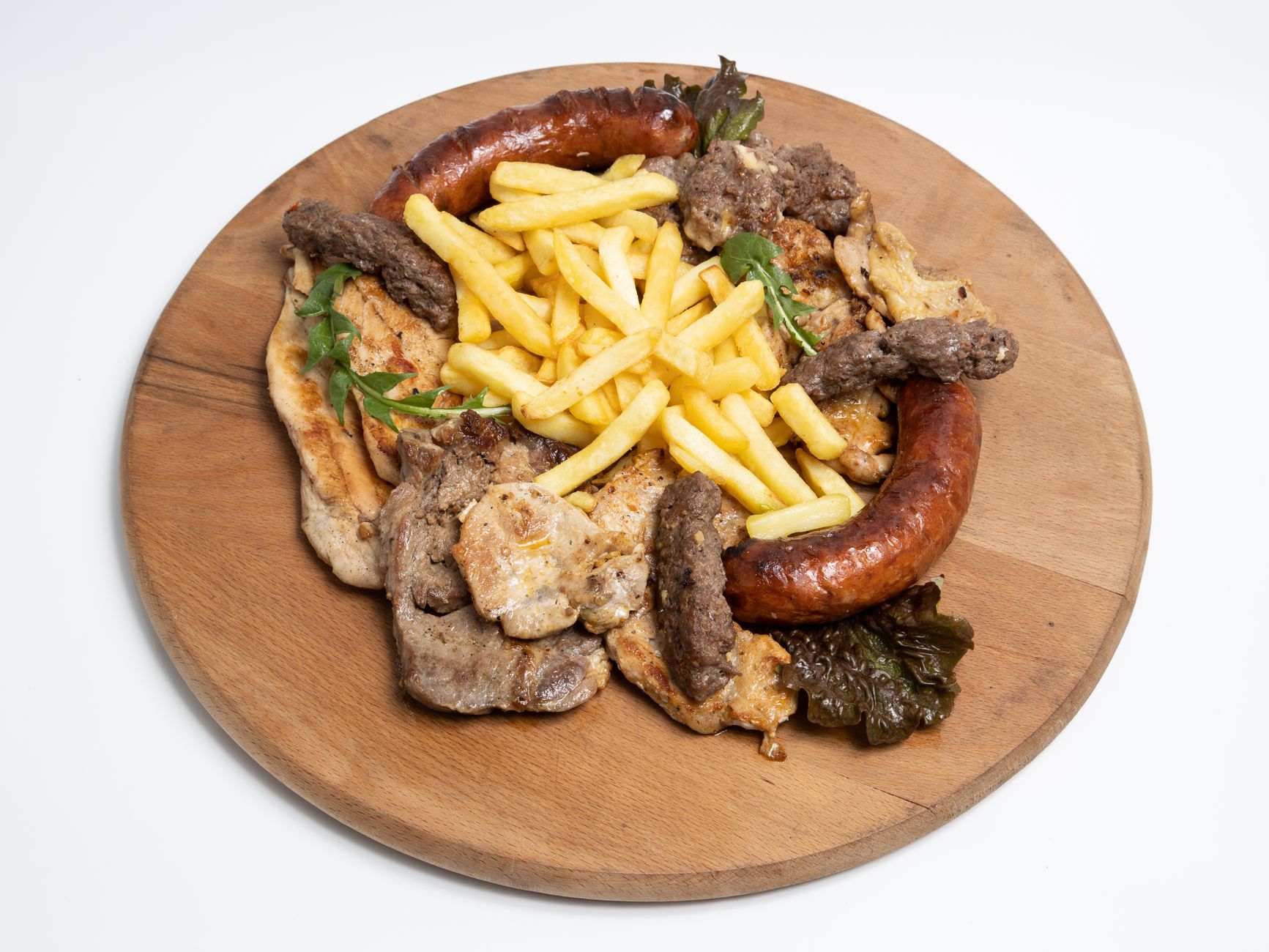
Budget High Protein Foods: Why Protein Is the Core of Muscle Growth
Every time you lift, your muscle fibers micro‑tear. Protein supplies the amino acids that repair those fibers, turning stress into strength. But not all protein is created equal.
Key points to remember:
- Protein quality matters. Animal sources typically contain all nine essential amino acids, making them complete proteins. Plant sources can be incomplete but pair well to cover gaps.
- Daily requirement. A general rule for beginners is 1.6 to 2.2 grams per kilogram of body weight. That’s roughly 0.7 to 1 gram per pound.
- Cost per gram. Buying protein in bulk or choosing cheaper sources can reduce the price per gram by up to 50% compared to premium options.
Harvard Health guide explains why complete proteins are essential for muscle repair.
So how do you hit those numbers without breaking the bank? Let’s look at the most budget‑friendly high‑protein foods. These budget high protein foods give you the most protein per dollar.
Budget High Protein Foods: Affordable Powerhouses
Below is a list of foods that pack a punch in protein content and price. We’ve broken them down by cost per gram, typical serving size, and a quick way to use them in a meal.
1. Eggs
- Protein: 6 grams per large egg
- Cost: $0.10–$0.15 per egg in most grocery stores
- Protein per dollar: ~60g
- Versatile: scramble, hard‑boil, omelet, or add to salads
Eggs are a classic. They’re cheap, nutrient‑dense, and easy to cook in bulk. A dozen can cover two or three meals a week.
2. Canned Tuna (in water)
- Protein: 20 grams per 100g can
- Cost: $1–$1.50 per can
- Protein per dollar: ~13g
- Use: sandwich filling, pasta topping, or mix with Greek yogurt for a quick dip
Look for sales and store brands. Buying a bulk pack and freezing portions cuts costs further.
3. Greek Yogurt (plain, low‑fat)
- Protein: 10 grams per 170g cup
- Cost: $0.70–$1.00 per cup
- Protein per dollar: ~10g
- Use: breakfast parfait, post‑workout snack, or sauce base
Choose plain to avoid added sugars. You can sweeten with fruit or a drizzle of honey.
4. Cottage Cheese
- Protein: 13 grams per 100g
- Cost: $0.90–$1.20 per cup
- Protein per dollar: ~11g
- Use: mix with berries, sprinkle on toast, or pair with veggies
It’s a great pre‑bed snack because casein digests slowly, feeding muscles overnight.
5. Chicken Thighs (skin‑on, boneless)
- Protein: 24 grams per 100g cooked
- Cost: $1.50–$2.00 per pound
- Protein per dollar: ~12g
- Use: grill, bake, or slow‑cook for stews
Thighs are cheaper than breasts yet still high in protein. The skin adds flavor and some fat for energy.
6. Lentils (dry)
- Protein: 18 grams per 100g cooked
- Cost: $0.5–$0.7 per cup dry
- Protein per dollar: ~25g
- Use: soups, salads, or as a side
Lentils are a plant‑based protein that also brings fiber and complex carbs, keeping your energy steady.
7. Peanut Butter (natural, no added sugar)
- Protein: 8 grams per 2 tablespoons
- Cost: $0.30–$0.40 per tablespoon
- Protein per dollar: ~20g
- Use: spread on