
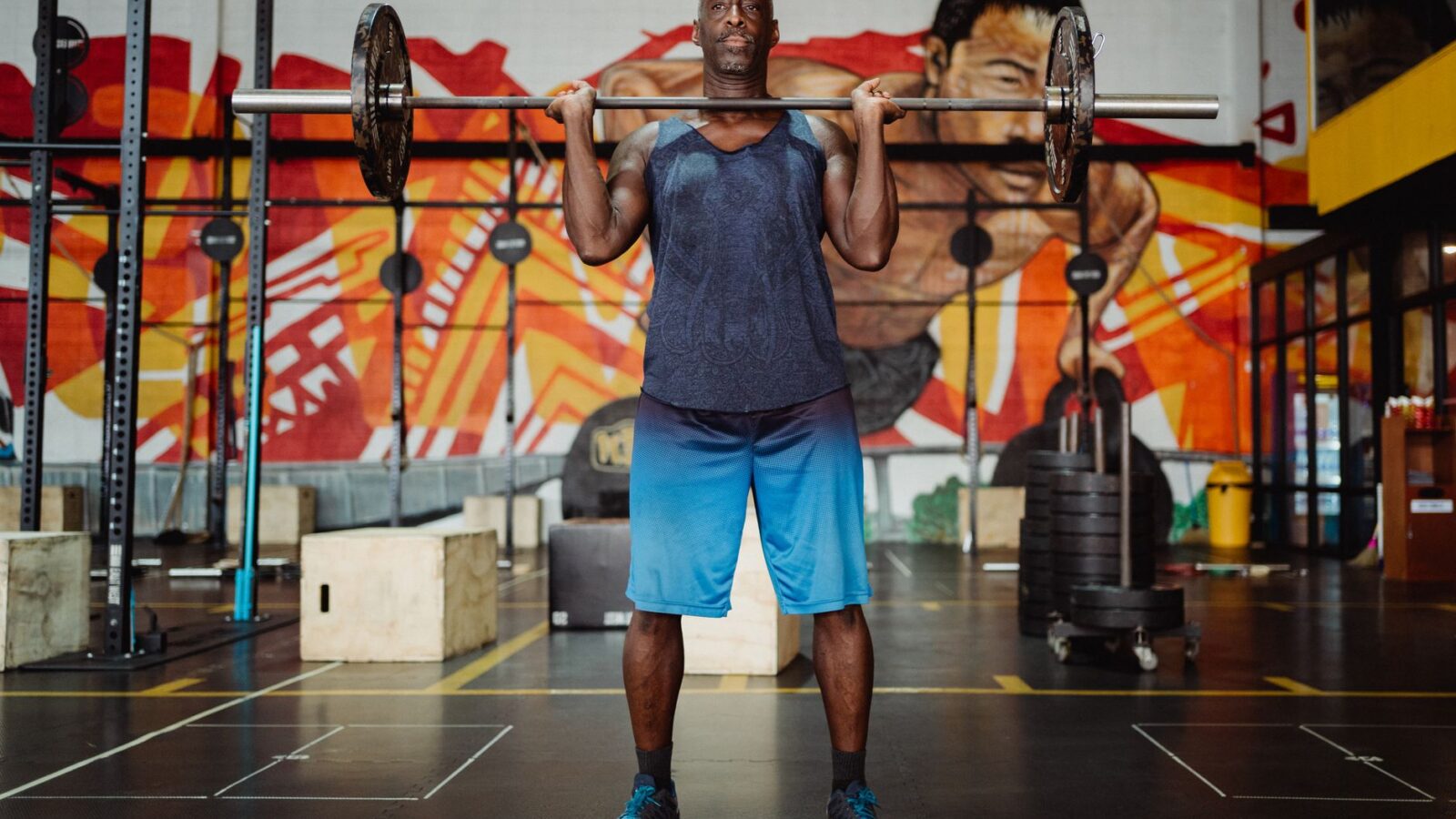
A budget workout split lets you build muscle without sacrificing the quality of your training. One of the biggest decisions you’ll face early on is whether to split your workouts into push, pull, and legs or to go full‑body each session. The right choice can mean the difference between hitting your gains or feeling stuck.
Many newcomers are overwhelmed by the jargon and the endless lists of “best” programs. The truth is, each split has a clear role depending on your schedule, equipment, and how your body responds to volume and frequency. In this post we’ll break down the mechanics of both approaches, compare them on key factors that matter to beginners, and give you a framework to decide which one fits your lifestyle and budget. A well‑designed budget workout split can still hit all major muscle groups while keeping equipment costs low.
Ready to find out which split will help you lift smarter, recover faster, and stay on track without breaking the bank? Let’s dive in.

Understanding the Basics: Budget Workout Split Options – Push‑Pull‑Legs vs Full‑Body
First, let’s define the two most common training structures.
Even on a shoestring budget, a budget workout split like PPL can be organized with minimal gear.
- Push‑Pull‑Legs (PPL): This split divides workouts into three distinct muscle groups—push (chest, shoulders, triceps), pull (back, biceps), and legs (quads, hamstrings, glutes, calves). Each day focuses on a specific movement pattern, allowing you to hit each group twice a week if you train six days.
- Full‑Body (FB): Every session targets all major muscle groups. A typical full‑body workout might include a squat, bench press, pull‑up, and a core move, all done in one session. Most beginners train three times a week with this model.
The choice boils down to how you want to balance volume, frequency, and recovery. PPL can offer more isolation and higher total volume per muscle, but it demands a larger weekly schedule and more equipment. Full‑body workouts are time‑efficient and keep the load per session moderate, making them ideal for people with limited gym access or those who want to train less often.
When to Pick a Budget Workout Split: Push‑Pull‑Legs for Busy, Mid‑Level Lifters
If you can dedicate 4–6 days a week to the gym, PPL is a powerful tool. Here’s why it can be a good fit:
- Higher Frequency: Each muscle group gets worked twice a week, which research shows can boost muscle protein synthesis more than once‑weekly sessions, according to Harvard Health.
- Volume Control: Because you’re only focusing on a subset of muscles per day, you can push more sets and reps without overtaxing the entire body.
- Recovery Segmentation: The split naturally allows a muscle to recover while another group is active, reducing the risk of cumulative fatigue.
Example 4‑day PPL routine (budget‑friendly):
- Day 1 – Push: Bench press, overhead press, dips, triceps push‑down.
- Day 2 – Pull: Bent‑over row, pull‑up (assisted if needed), face‑pull, hammer curl.
- Day 3 – Rest or light cardio.
- Day 4 – Legs: Squat, Romanian deadlift, lunges, calf raise.
- Day 5 – Push (variation): Incline dumbbell press, lateral raise, close‑grip bench.
- Day 6 – Pull (variation): T‑bar row, lat pull‑down, reverse fly, concentration curl.
- Day 7 – Rest.
Equipment wise, a power rack, a set of dumbbells, and a pull‑up bar cover most of the moves. If you’re working out at home, use resistance bands or a kettlebell for some variations. For additional ideas, check out more workout tips.
When Full‑Body Wins: The Beginner, Time‑Constrained, or Home‑Gym Setup
Full‑body training shines when you’re just starting out, have limited time, or don’t have a full gym. If you prefer simplicity, a budget workout split using full‑body sessions reduces the need for multiple stations.
- Lower Total Time: One session hits every major muscle, so you can fit in a workout in 30–45 minutes, three times a week.
- Compound Focus: Most full‑body routines rely on heavy compound lifts, which are efficient for building strength and muscle with fewer exercises.
- Adaptability: If you’re traveling or have a DIY home gym, you can swap out equipment without losing the core structure.
Example 3‑day full‑body routine:
- Squat (or goblet squat if no barbell), Bench press or push‑up, Bent‑over row, Overhead press, Plank.
- Deadlift or kettlebell swing, Incline dumbbell press, Pull‑up or inverted row, Lateral raise, Hanging knee raise.
- Front squat or split squat, Dips, Single‑