

When you step into a gym for the first time, a compound isolation workout can feel like a maze of options. You’ll see the heavy barbell squats, the cable rows, the biceps curls, the triceps pushdowns, and so on. A common question pops up: should I spend most of my time on big, compound lifts or do isolation moves to target specific muscles? The answer isn’t black or white. It’s about balance, and finding the right mix can make your workouts more efficient, safer, and ultimately more effective for building muscle.
For beginners on a budget, the stakes feel higher. A well‑designed compound isolation workout can be budget‑friendly while still delivering results. You want to get the most bang for every dollar, whether that means investing in a set of dumbbells or buying a single barbell. Understanding how to blend compound and isolation moves lets you maximize growth without overspending on equipment or wasting time on redundant exercises.
Let’s dig into what makes each type of lift unique, why both are necessary, and how you can design a routine that hits all the right spots without breaking the bank.

What Is a Compound Isolation Workout? The Basics
First, let’s define the two categories. Compound exercises are multi-joint movements that recruit several muscle groups simultaneously. Think of the barbell squat, deadlift, bench press, or pull‑up. Because they involve more than one joint and muscle, they’re great for building overall strength and mass.
Isolation exercises, on the other hand, target a single joint or muscle group. Examples include the biceps curl, triceps extension, or leg extension. These moves allow you to focus on a specific muscle, making them useful for correcting imbalances or adding volume to a muscle that’s lagging.
Both types have a place in a balanced program. Compound lifts build the foundation of strength and muscle, while isolation moves fine‑tune and add volume where needed.
Why You Need a Compound Isolation Workout: The Science of Muscle Growth
Muscle hypertrophy is driven by mechanical tension, metabolic stress, and muscle damage. Compound lifts excel at generating high mechanical tension across multiple muscle groups. They also force your nervous system to coordinate many muscles, which improves overall movement efficiency.
Isolation moves are excellent for metabolic stress. By focusing on one muscle, you can push it to failure or near‑failure with fewer sets, creating a high‑intensity stimulus that promotes growth. They’re also useful for targeting a muscle that’s not getting enough work from your compound lifts.
When you structure your routine as a compound isolation workout, you reap the benefits of both lift types. Research from Harvard Health supports the combined approach for optimal muscle development.
From a recovery standpoint, compound movements tend to fatigue more of your body, so you’ll need more rest between sessions. Isolation exercises, being less demanding overall, allow you to hit a muscle more frequently without overloading the rest of your body.
When you combine both, you get the best of both worlds: big gains from the compound lifts, and precise growth from the isolation moves. This balance is especially important for beginners who are still developing proper form and learning how their bodies respond to different stimuli.
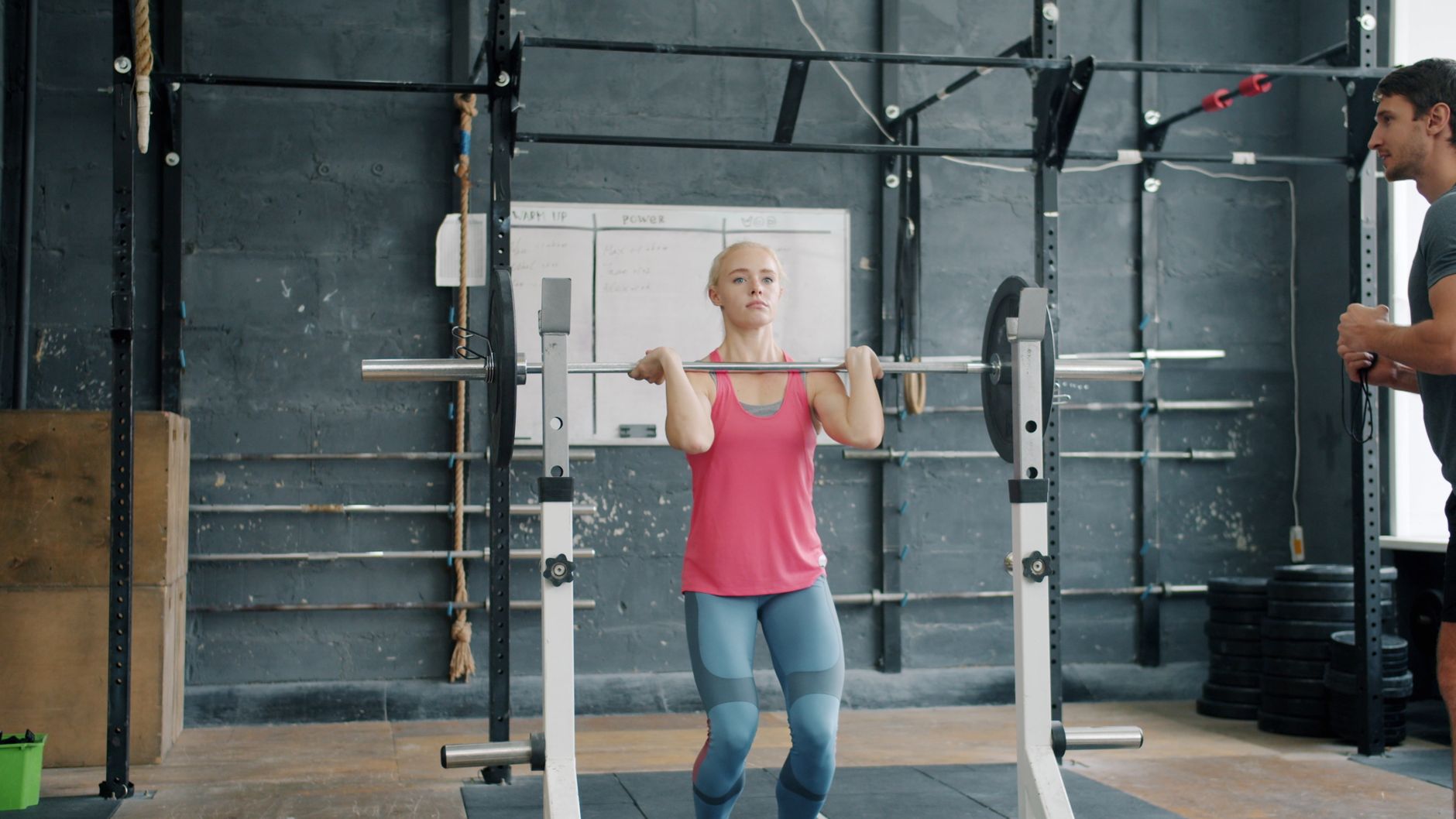
Building a Balanced Routine on a Budget
Below is a simple template that works for most beginners. It uses a three‑day full‑body split, which is economical because you only need one barbell and a set of adjustable dumbbells. You’ll hit each muscle group twice a week with a mix of compound and isolation work. For more workout tips, explore our extensive library of routine ideas.
Day 1 – Push Focus
- Barbell Bench Press (Compound) – 3 sets of 6–8 reps
- Dumbbell Shoulder Press (Compound) – 3 sets of 8–10 reps
- Incline Dumbbell Fly (Isolation) – 3 sets of 12–15 reps
- Triceps Pushdown (Isolation, using a resistance band) – 3 sets of 12–15 reps
- Lateral Raise (Isolation) – 3 sets of 15–20 reps
Day 2 – Pull Focus
- Deadlift (Compound) – 3 sets of 5–7 reps
- Barbell Row (Compound) – 3 sets of 6–8 reps
- Lat Pulldown (or band pull‑ups) (Isolation) – 3 sets of 10–12 reps
- Biceps Curl (Isolation) – 3 sets of 12–15 reps
- Face Pull (Isolation) – 3 sets of 15–20 reps
Day 3 – Legs & Core
- Back Squat (Compound) – 3 sets of 6–8 reps
- Romanian Deadlift (Compound) – 3 sets of 8–10 reps
- Lunges (Isolation on each leg) – 3 sets of 12–15 reps per leg
- Calf Raise (Isolation) – 4 sets of 15–20 reps
- Plank