
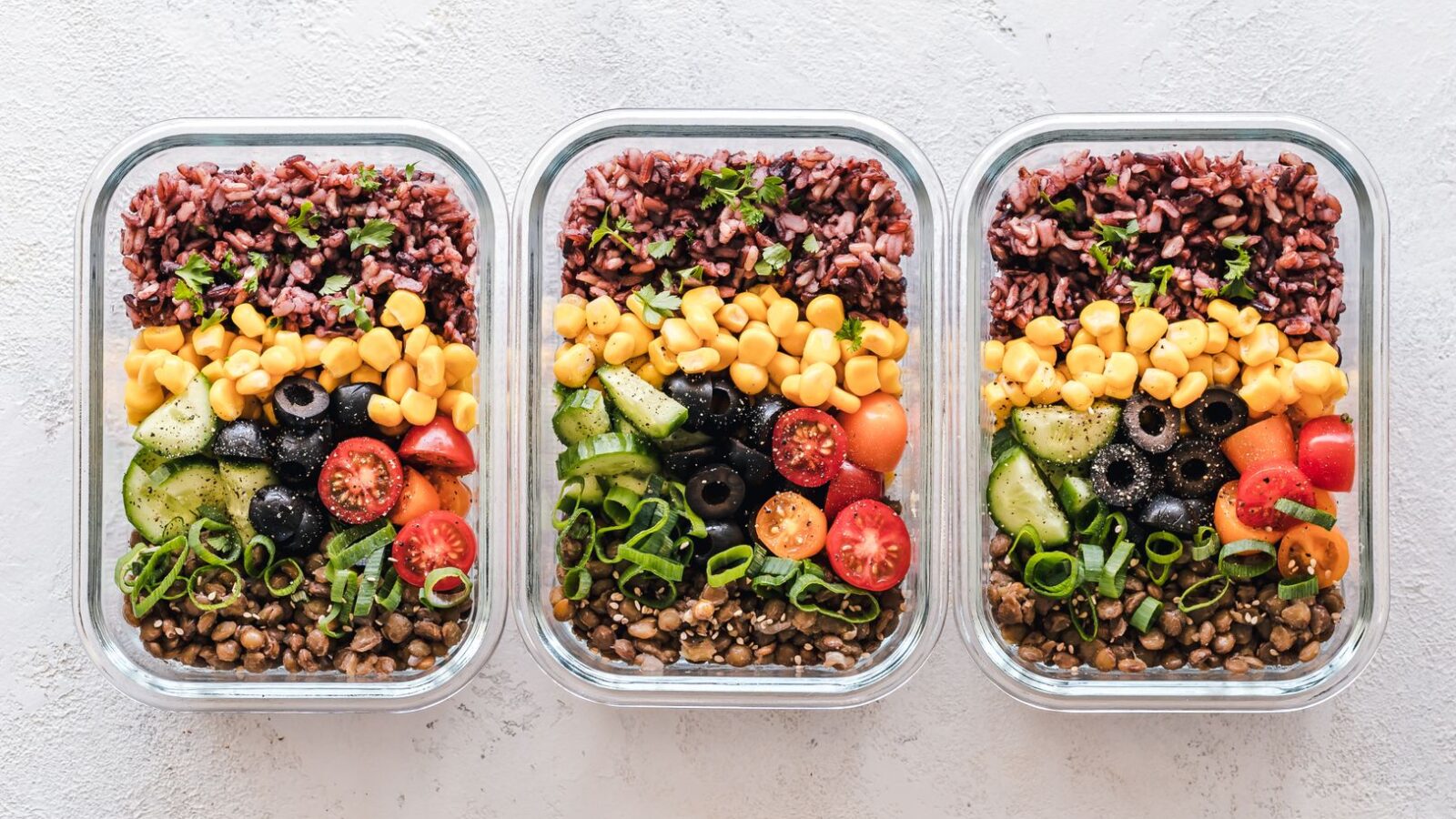
When you’re just starting out in the gym, the first hurdle is often the plate, not the bench press, and mastering a budget meal prep strategy can make all the difference. You can lift heavier, add more sets, but if you’re not feeding your muscles consistently, gains stall. That’s why meal prep isn’t a luxury—it’s a cornerstone of steady muscle building, especially when you’re watching the wallet. This guide will walk you through a simple, budget‑friendly meal prep system that keeps protein high, carbs steady, and calories in check without breaking the bank.
Think of meal prep like a workout plan: you set a goal, you structure the routine, and you stick to it. A well‑designed budget meal prep routine works just like a training program, keeping you on track day after day. Ready to turn grocery lists into muscle‑building fuel? Let’s dive in.

1. Why Budget Meal Prep Matters for Muscle Growth
Muscle repair and growth happen outside the gym, mostly during sleep and the hours between meals. Consistency in protein intake, nutrient timing, and calorie balance is key. A single day of sloppy eating can undermine a week of heavy lifting. Budget meal prep solves three problems at once:
- Portion control – you know exactly how many grams of protein, carbs, and fats each meal contains.
- Time savings – you spend one afternoon chopping and cooking instead of scrambling every day.
- Cost efficiency – buying in bulk and avoiding last‑minute takeout keeps expenses low.
Even if you’re a beginner with a tight budget, a structured budget meal prep plan can help you hit your target macros and keep your body fueled for growth. It’s not about gourmet meals; it’s about smart choices and repeatable routines.
2. Calculating Your Macro Targets on a Budget with Meal Prep
Before you grab a bag of rice, you need to know the numbers that matter. A typical muscle‑building macronutrient split for most beginners is 40% protein, 40% carbs, and 20% fats. Adjust based on your body type and activity level, but the principle stays: protein drives muscle repair; carbs fuel workouts; fats support hormone production.
Using a budget meal prep approach keeps costs low while hitting those macro goals. Here’s a quick way to estimate your needs using the “2–1–0” method, which is inexpensive and easy to remember:
- Multiply your body weight in pounds by 2 to get grams of protein per day.
- Multiply your body weight by 1 for grams of carbs per day.
- Multiply your body weight by 0.5 for grams of fats per day.
Example: A 150‑lb beginner aiming for muscle growth would target approximately 300 g of protein, 150 g of carbs, and 75 g of fats daily. These numbers can be tweaked, but they give you a solid starting point.
To keep costs down, focus on high‑protein, low‑cost staples: eggs, canned tuna, chicken thighs, lentils, beans, and frozen veggies. Bulk grains like brown rice and oats are inexpensive, filling, and versatile. A little planning turns these items into a powerhouse of nutrients.
3. Crafting a Simple, Repeatable Meal Prep Workflow
Meal prep doesn’t need to be a culinary marathon. Follow this three‑step workflow to keep things manageable. This budget meal prep workflow is easy to follow and saves you time.
Step 1: Plan Your Menu for the Week
Choose a few core recipes that cover all macros. A good template might be:
- Breakfast: Scrambled eggs + oats + fruit
- Lunch: Chicken thighs + brown rice + steamed broccoli
- Dinner: Lentil stew + sweet potato + mixed greens
- Snacks: Greek yogurt + nuts + protein shake
Write down the quantities needed for each meal to hit your macro goals. Use a spreadsheet or a simple table to track calories and macros; many free tools exist, or even a paper notebook works.
Step 2: Shop Smart and Bulk Buy
Buy in bulk where it pays off. Chicken thighs, ground turkey, and canned beans are cheaper than breast meat or fresh fish. Look for store brands, seasonal produce, and sales. Freeze portions to avoid waste. Grocery stores often have a bulk aisle for grains, nuts, and seeds—great for saving money.
Step 3: Cook, Portion, and Store
Allocate a single day—usually Sunday—for cooking. Use a slow cooker or instant pot to batch cook proteins and grains. Once cooked, divide each meal into individual containers. Label them with dates to keep track of freshness. A 24‑hour fridge shelf life is fine for most meals; for longer storage, use freezer‑safe containers.
Keep a simple labeling system: “Protein + Veg + Carb – Day 1.” This reduces the chance of forgetting a meal or over‑eating.
With this routine, you’ll spend about 2–3 hours on Sunday and have ready‑to‑eat meals for the week. That time saved can be redirected to training or rest.

4. Sample Meal Prep Blueprint for a 2000‑Calorie, 40/40/20 Split
Below is a practical example that balances macros while staying under $30 for the week. Prices vary by location, but the structure can be adapted to your local costs.
| Meal | Ingredients (per serving) | Calories | Protein (g) | Carbs (g) | Fats (g) |
|---|---|---|---|---|---|
| Breakfast | 2 eggs, 1/2 cup oats, 1 banana | 350 | 18 | 45 | 10 |
| Lunch | 150 g chicken thigh, 1 cup brown rice, 1 cup broccoli | 400 | 35 | 45 | 10 |
| Dinner | 1 cup lentils, 1 sweet potato, 1 cup mixed greens | 450 | 20 | 60 | 5 |
| Snack 1 | 1 cup Greek yogurt, 1 tbsp peanut butter | 300 | 20 | 15 | 18 |
| Snack 2 | Protein shake (whey), 1 apple | 300 | 25 | 35 | 5 |
Totals: 1,800 calories, 118 g protein, 200 g carbs, 48 g fats. Add a side of sautéed spinach or a small handful of almonds to hit 2,000 calories and adjust macros as needed.
Notice how the ingredients are inexpensive and widely available. The same meal can be swapped out for a different protein or carb source if you find a better deal.
Adjusting for Personal Goals
Need more calories? Add a tablespoon of olive oil to a dish or increase the portion of rice. Want to cut carbs? Swap sweet potato for a lower‑carb vegetable and add a side of cauliflower rice.
Use a free app or spreadsheet to track your macro intake daily. This will help