
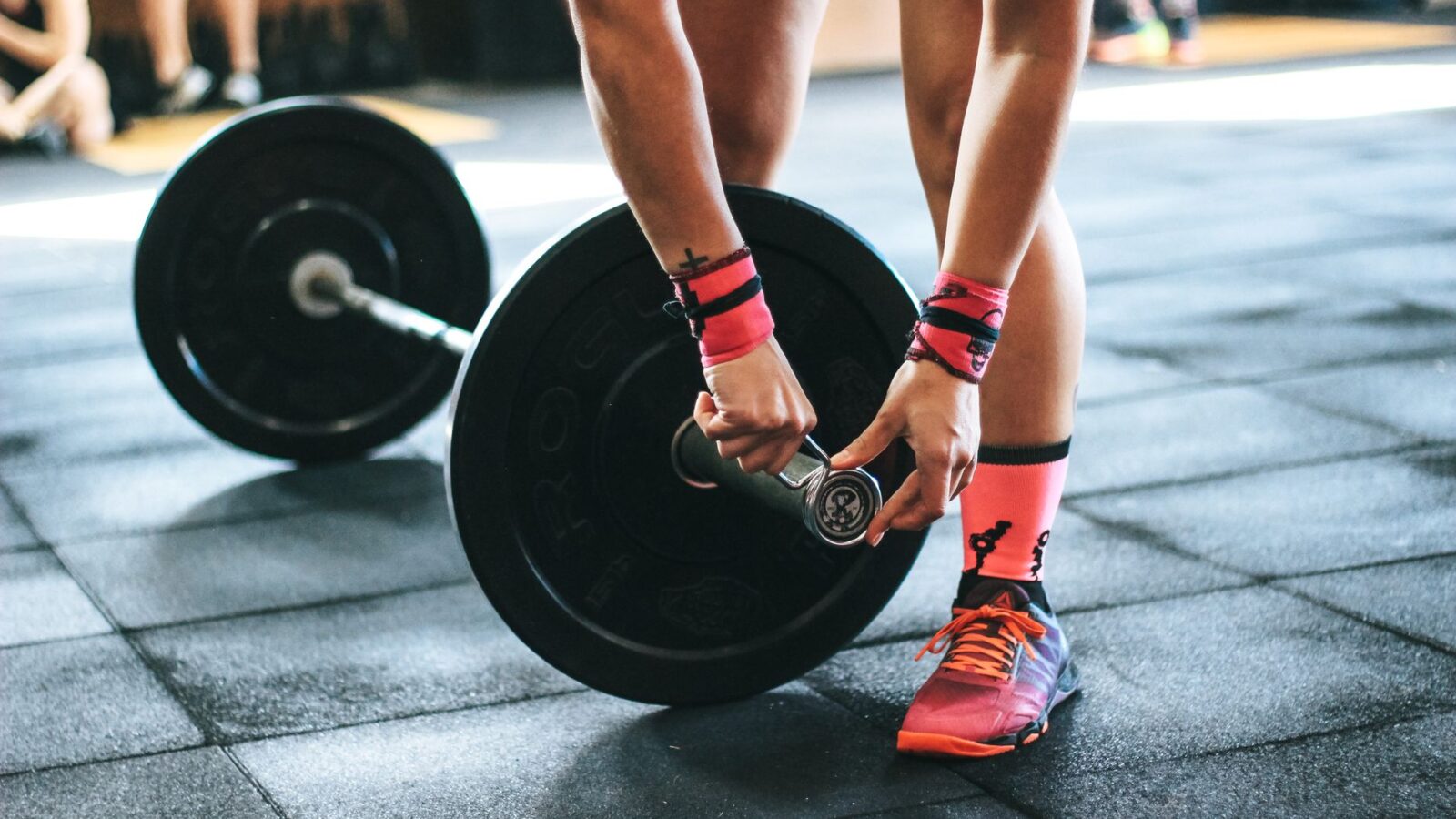
When you’re first stepping into a gym, grip strength beginners often overlook the importance of a strong grip, making the barbell look intimidating, the squats feel impossible, and the bench press feel like a distant dream. But there’s one small, often overlooked factor that can make or break your progress: your grip. A strong grip doesn’t just let you hold more weight; it unlocks better performance across the board. For anyone on a tight budget who’s just starting out, improving grip strength is a cost‑effective way to lift heavier, reduce injury risk, and see faster gains.
Think about the last time you tried to finish a set of deadlifts or pull‑ups and your hands slipped. For grip strength beginners, recognizing this slip is the first step toward improvement. That moment of frustration is a clear indicator that grip is a bottleneck. Even if you’re not a powerlifter, a weak grip can limit your bench press, cause early fatigue on rows, or make barbell curls feel like a chore. In this post, we’ll dive into how grip strength translates to overall lifting performance, why it matters for beginners, and how you can build it without breaking the bank.

1. Grip Strength Beginners: The Hidden Foundation of Every Lift
When you think of strength training, the first things that come to mind are the big compound lifts: squats, deadlifts, bench presses, and overhead presses. But all of those movements rely on a single, fundamental component—your hands. The grip is the interface between you and the barbell, dumbbells, or any piece of equipment. If your grip can’t hold the load, the rest of your body can’t do its job.
There are two primary ways a weak grip can sabotage your lifts:
- Early failure in the set. A grip that gives way after a few repetitions forces you to stop before you reach your true strength ceiling.
- Inconsistent bar path. When the bar slips or your hand rotates, you lose stability, which can compromise form and increase injury risk.
Even for exercises that don’t seem to require a strong hold—like a squat or a deadlift—your grip is still the first line of defense. A solid grip lets you maintain tension and focus on the movement pattern instead of worrying about your hands letting go.
In the world of bodyweight training, grip strength also plays a pivotal role. Pull‑ups, chin‑ups, and even plank variations rely on your ability to hold onto a bar or a surface for an extended period. If you can’t hold that load, you’ll never get to the next rep or the next progression.
2. Grip Failure for Beginners: The Invisible Plateau That Stalls Progress
Many beginners attribute a plateau to lack of volume or inadequate nutrition. However, a frequent but overlooked cause is grip failure. When you’re struggling to complete a set because your hands are giving out, you’re not actually working the target muscle group to its maximum capacity. The result? Your muscles don’t receive the stimulus they need to grow.
Let’s look at a common scenario: the deadlift. The first few reps might feel easy, but after a handful, you feel your fingers start to shake, and the bar feels like it’s slipping. You stop, rest, and start again. The problem isn’t that your posterior chain is weak; it’s that your grip can’t hold the weight for the full set. Over time, the body adapts to this limitation, and you plateau while your peers keep pushing higher.
Similarly, on the bench press, a weak grip can cause the bar to roll slightly, forcing you to adjust your hand placement mid‑set. This not only reduces the efficiency of the lift but also places unnecessary stress on the wrists and forearms, potentially leading to strain or injury.
For beginners, grip fatigue often manifests early because many people underestimate the importance of forearm and hand conditioning. Most of us rely on a “just grab it” approach, neglecting the fact that the forearms are a separate muscle group that requires targeted training.
3. Building a Strong Grip Without Breaking the Bank
Now that you understand why grip matters, let’s talk about how to strengthen it. The great news is that you can build grip strength using inexpensive tools or even household items. These exercises are perfect for grip strength beginners looking for affordable options. Below are a few cost‑effective methods that fit into a beginner’s budget.
- Plate Pinches. Grab a pair of weight plates and hold them together with your thumb on one side and fingers on the other. Start with 10–20 pound plates and hold for 30–60 seconds. If you can’t find plates, use a thick book or a stack of sturdy cardboard.
- Farmer’s Walk. Carry a pair of heavy objects—dumbbells, grocery bags, or even two milk jugs—over a set distance or time. This exercise works grip, shoulders, and core simultaneously.
- Dead Hangs. Hang from a pull‑up bar or a sturdy tree branch for as long as you can. Aim for 3–5 sets of 10–20 seconds. If you’re new, use a towel or a thick rope to reduce strain on your wrists.
- Rice Bucket or Sand Box. Fill a bucket with rice or sand, then immerse your hand and move it around. This