
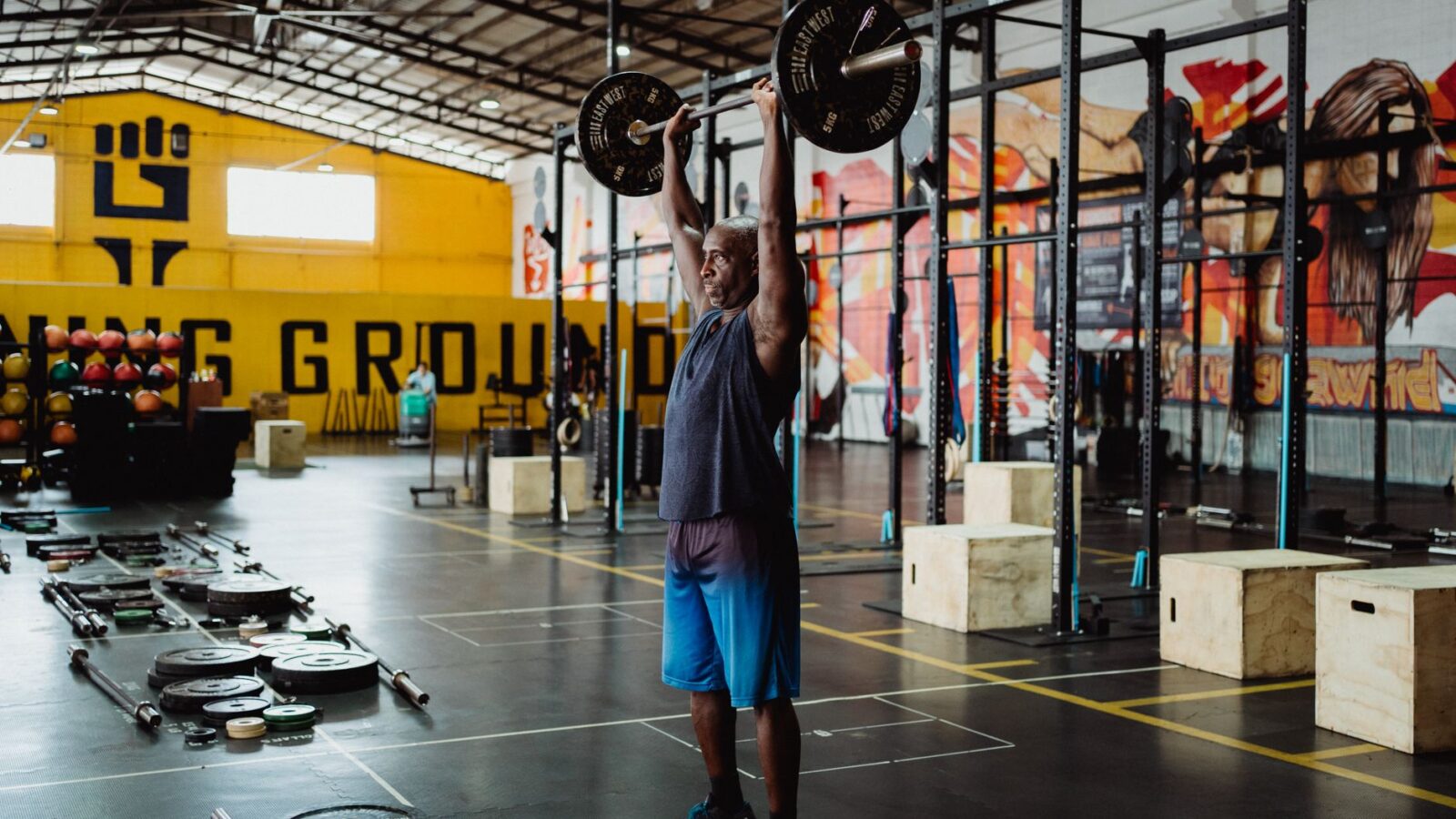
Why Your Hand Can Make or Break Your Lifts
When you’re first stepping into a gym, the first thing that catches your eye is usually the heavy barbell or the shiny dumbbells, but budget grip strength can make all the difference. You’re excited to lift, to feel the burn, and to see numbers climb on the weight plate. But there’s one small, often overlooked factor that can hold you back from reaching that next rep or that next 5‑rep max: your grip strength. Think about the last time you tried to do a deadlift or a pull‑up and felt your fingers start to shake. That’s your grip saying, “I’m not ready.” And for anyone on a tight budget, investing in grip isn’t about buying fancy tools; it’s about smart training choices that fit into any routine.
Grip strength isn’t just a peripheral skill. Focusing on budget grip strength allows you to maximize gains without expensive equipment. A weak grip can make even a perfectly programmed workout feel impossible, forcing you to drop sets, cut reps, or skip key exercises. By understanding the science behind grip and learning practical, cost‑effective ways to build it, you’ll unlock gains that feel like a straight line on your progress chart.
So, if you’ve ever felt your fingers slip on a bar or wondered why your bench press stalls while your chest feels ready for more, keep reading. We’ll dive into the mechanics, the common pitfalls, and the most budget‑friendly ways to strengthen those hands that hold your future gains.

1. The Biomechanics of Budget Grip Strength: Why It Matters More Than You Think
When you lift, the bar is the bridge between your muscles and the weight. Your grip is the lock that keeps that bridge from collapsing. Muscles in the forearm, hand, and even the shoulder girdle work together to keep the bar from slipping. If any part of that chain is weak, the entire lift is compromised.
How the Grip Interacts with Major Lifts
- Deadlifts: The deadlift is a classic example where grip is the bottleneck. Even if your back and legs are ready for 300 lb, a weak grip can make the bar drop after the first few reps. The muscles that pull the bar up are powerful, but if your fingers can’t hold, you’re stuck.
- Pull‑ups & Rows: These moves rely on a firm grip to transfer force from your upper body to the bar or cable. A shaky hand means you’ll hit failure sooner, limiting volume and intensity.
- Bench Press & Overhead Press: While the chest and shoulders do most of the work, the grip still plays a role. A firm hold allows you to stabilize the bar and focus on the pushing motion instead of worrying about your hands sliding.
Beyond these classic lifts, grip strength also affects your performance in accessory work, such as farmer’s walks, kettlebell swings, and even certain bodyweight movements like handstand push‑ups. In each case, a strong grip lets you stay on task, maintain form, and push more volume.
The Anatomy of a Grip
Forearm muscles are divided into two groups: the flexors, which pull your fingers together, and the extensors, which straighten them. Both groups work in concert during a lift. However, the flexors are usually the limiting factor because they’re the ones actively holding the weight. The stronger they become, the more weight your hands can sustain.
Grip also involves tendons and ligaments. The tendon of the flexor digitorum profundus is a key player; it’s responsible for gripping heavier loads. Over time, repeated stress can cause tendon adaptations, making your grip stronger but also more prone to injury if not managed correctly.
Understanding this anatomy helps you target the right exercises and recognize when a grip failure is a sign of overuse rather than a lack of strength.
2. How Weak Grip Limits Your Lifting Progress
It’s easy to assume that if you’re not able to lift a certain weight, the issue is your back or legs. But when your hands are the weak link, you’ll notice a pattern of early fatigue and dropped sets. Here’s what that looks like in real life.
Early Rep Failure
Imagine you’re on a 5‑rep set of the barbell row. Your back is firing, your form is solid, but by the third rep your grip starts to feel like a rubber band. You can’t maintain the same tension, and the bar wobbles. You’re forced to cut the set, which means fewer reps and less stimulus for growth.
Inconsistent Progress
When your grip is weak, progress can feel erratic. You may hit a 200 lb deadlift one week and only manage 150 lb the next, not because of a change in training, but because your hands slipped. This inconsistency can be demotivating and may lead you to overcompensate with heavier weights, risking injury.
Increased Injury Risk
A slipping grip forces you to compensate with poor form. For example, in a deadlift, a shaky hand can lead to a rounded back or a loss of bar path, increasing strain on the lower back. In pull‑ups, a weak grip may cause you to use your wrists and forearms excessively, leading to strain or tendonitis.
In short, grip strength is a gatekeeper. If it’s not up to par, your lifts will plateau, your form will degrade, and your confidence will waver. Addressing it early can smooth the path to consistent gains.

3. Building Budget Grip Strength: Simple, Effective Methods
Good news: you don’t need expensive grip trainers; these budget grip strength methods are cost‑effective. Below are proven, low‑cost approaches that fit into any routine.
3.1 Use What You Already Have: The Barbell and Bodyweight for Budget Grip Strength
Grab a regular barbell and add extra weight plates. Perform dead hangs or static holds for 30‑60 seconds, repeating 3–4 times. The key is to keep the bar off the ground, forcing your fingers to stay on it. If you’re a beginner, start with a lighter load and focus on form.
Another bodyweight option is the farmer’s walk. Pick up a pair of heavy dumbbells or even grocery bags, walk a short distance, and repeat. This not only builds grip but also enhances overall stability.
3.2 Thumbs‑Up Grip Variations
Many lifters use a “standard” grip, where the thumb wraps around the bar. Switching to a thumbs‑up or pinch grip can shift the load onto different forearm muscles. For example, during a pull‑up, wrap your