
When you’re on a tight budget but still want a budget dumbbell workout, the best tool is the one that’s already in your kitchen cabinet or at the gym: a pair of dumbbells. No fancy machines, no membership fees, just two weights that can transform your body anywhere you can find a flat surface.
Think of the last time you tried to hit the gym on a weekend. You had to juggle a car trip, a work deadline, and the price of a 12‑month membership. The result? A workout that was either skipped or stretched thin. A budget dumbbell workout lets you sidestep those obstacles. It’s portable, versatile, and you can scale the load as your strength improves.
In this guide we’ll walk through a full‑body program that you can run at home, in a hotel room, or even on a park bench. You’ll learn why each exercise matters, how to keep the intensity high without a barbell, and what to watch out for so you stay injury‑free while building lean muscle.
Why a Budget Dumbbell Workout Is the Ultimate Anywhere Muscles Builder
Dumbbells offer several advantages over heavier gym equipment that make them perfect for beginners and budget‑savvy lifters alike.
- Portability – A set of 5–20 lb dumbbells can fit in a backpack. You can do the same routine in a hotel, a living room, or even a backyard.
- Versatility – With just one piece of equipment you can target every major muscle group. From squats to rows, the range of motion is almost endless.
- Cost‑effective – A basic pair of adjustable dumbbells can cost under $100, and the same set can be used for years if you keep a good maintenance routine.
- Progression – You can increase weight, add repetitions, or shorten rest intervals to keep the stimulus growing.
Because we’re focusing on full‑body movement, you’ll be able to train twice or thrice a week and still get enough recovery time. That’s a key part of muscle growth on a budget – you don’t need a full gym, just smart programming.
Full‑Body Budget Dumbbell Workout: The 8‑Exercise Blueprint
Below is a balanced routine that hits the chest, back, shoulders, arms, core, and legs. Each exercise is performed for 3 sets of 8–12 reps. Aim for 60–90 seconds of rest between sets. If you’re new, start with a lighter weight to master the form, then gradually increase as you feel comfortable.
1. Goblet Squat – Lower Body & Core
Hold a dumbbell close to your chest with both hands, feet shoulder‑width apart. Squat down, keeping your chest up and knees tracking over your toes. Push through the heels to return to standing. The dumbbell forces you to keep the torso upright, engaging the core and preventing rounding.
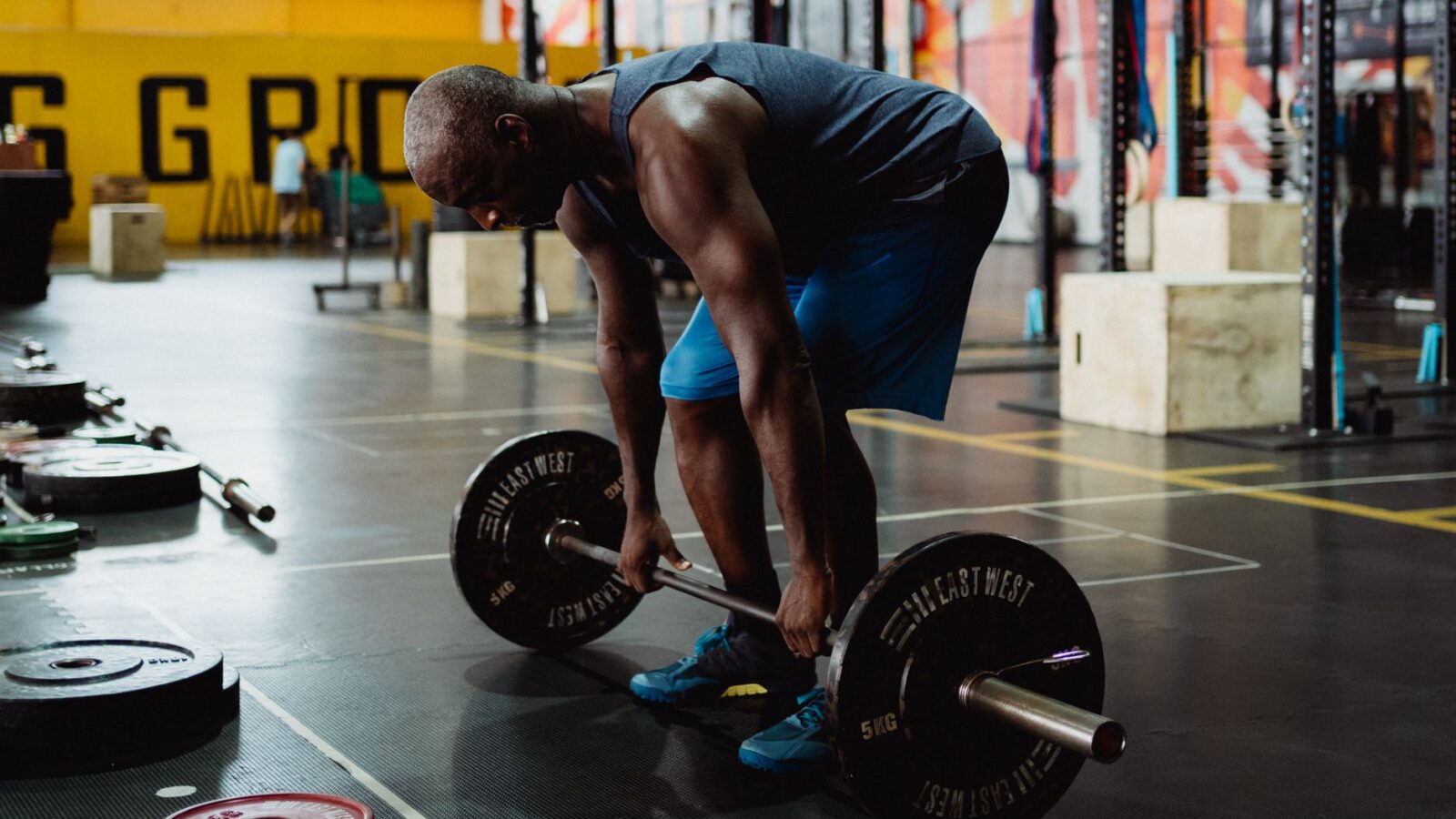
2. Dumbbell Romanian Deadlift – Posterior Chain
Stand with feet hip‑width, dumbbells in front of thighs. Hinge at the hips, keeping a slight bend in the knees, and lower the weights toward the floor while maintaining a neutral spine. Return by driving the hips forward. This movement strengthens the hamstrings, glutes, and lower back.
3. Standing Overhead Press – Shoulders & Triceps
Grip the dumbbells at shoulder height, palms facing forward. Press upward until arms are fully extended, then lower slowly. Keep the core tight to avoid arching the back. This single‑arm or double‑arm press builds shoulder width and triceps strength.
4. Bent‑Over Row – Upper Back & Biceps
Hinge at the hips, knees slightly bent, back straight. Pull the dumbbells toward your rib cage, squeezing the shoulder blades together. Lower with control. This exercise is a great alternative to a barbell row and targets the lats, rhomboids, and biceps.
5. Bulgarian Split Squat – Quad Focus
Place one foot on a bench or sturdy chair behind you, the other foot forward. Hold dumbbells at your sides or at your shoulders. Lower until the front thigh is parallel to the floor, then push back up. This unilateral movement corrects imbalances and forces the front leg to carry the load.
6. Dumbbell Chest Press – Chest & Triceps
Lying on a bench or the floor, hold dumbbells above your chest with arms fully extended. Lower until elbows reach 90°, then press back up. If you’re on a floor, the range of motion is slightly reduced, but it still works the pectorals effectively.
7. Renegade Row – Core & Upper Back
Get into a plank position holding a dumbbell in each hand. Row one dumbbell up while stabilizing the body with the other arm, then switch sides. This exercise demands core stability and works the lats, triceps, and shoulders simultaneously.
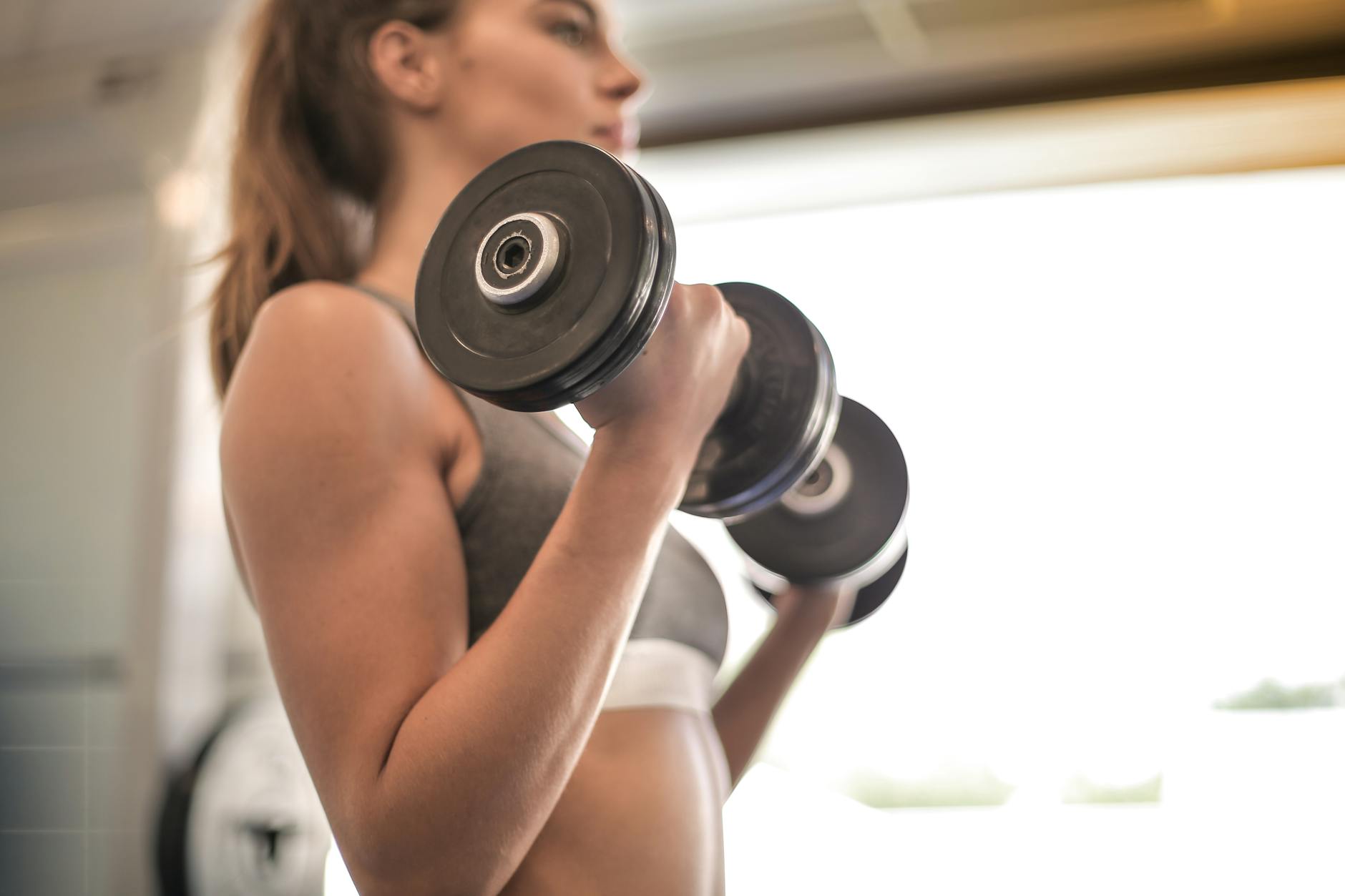
8. Hammer Curl – Biceps & Forearms
Stand with palms facing each other, elbows close to the torso. Curl the dumbbells up, keeping the wrists neutral. This grip also trains the brachialis, adding thickness to the biceps.
Finish with a light 5‑minute cool‑down of dynamic stretches: shoulder circles, hip flexor rolls, and gentle hamstring bends.

Progression: How to Keep the Gains Coming
Once you master the basic routine, you’ll need to keep the stimulus changing. Here are three proven progression methods that work well with dumbbells.
1. Increase Weight Gradually
Adjust the load by 2.5–5 lb increments when you can comfortably complete 12 reps for all three sets with good form. If you’re using adjustable dumbbells, swap out the plates. If not, buy a new pair with a slightly higher maximum weight.
2. Add Repetitions or Sets
When you hit a plateau, increase the volume. Add a fourth set to each exercise, or push to 15 reps per set while keeping the same weight. This keeps muscle fibers working longer, which is essential for hypertrophy.
3. Reduce Rest Time or Add Supersets
Shortening rest from 90 seconds to 60 seconds raises the intensity. Alternatively, pair two exercises that target different muscle groups (e.g., goblet squat + dumbbell chest press) into a superset, moving from one to the other without a break. This keeps heart rate up and saves time.
Remember, the key to growth is progressive overload—small, consistent increases. You don’t need a barbell; just keep the load moving upward or the reps climbing.
Practical Tips & Common Mistakes
Even a simple routine can go off track if you overlook a few details. Below are the most frequent errors and how to avoid them.
- Skipping the Warm‑Up – A 5‑minute dynamic warm‑up (leg swings, arm circles, bodyweight squats) reduces injury risk and improves performance. For evidence‑based guidance, see Harvard Health.
- Using Too Heavy a Weight – If you can’t finish the last rep with good form, the load is too heavy. Muscle growth requires a balance between load and technique.
- Neglecting the Core – Many beginners focus on the primary lift and forget core stabilization. Add planks or Russian twists after the main sets to strengthen the midsection.
- Ignoring Unilateral Imbalances – The Bulgarian split squat and renegade row highlight asymmetries. If one side feels weaker, add extra work or reduce weight on that side.
- Skipping Recovery – Muscles grow during rest. Aim for at least 48 hours before hitting the same muscle groups again. Sleep 7–9 hours and hydrate properly.
Another tip: keep a simple log in a notebook or a free app. Note the weight, reps, and how you felt. Tracking progress is cheap but powerful. For more workout tips, check out our workout routine collection.
Ready to pack your dumbbells into a backpack and hit the road? This budget dumbbell workout is all you need to build lean muscle without a gym membership. Start today, stay consistent, and watch those gains stack up—one set at a time. If you’re curious how to adjust the program for a different goal, drop a comment or reach out. Your body will thank you for the effort you put in, and your wallet will too.