

When you’re just getting into weightlifting, the first thing you’ll notice after a session is the difference between muscle soreness vs injury, as your muscles feel a little off. A dull ache that lingers for a day or two is a normal part of the process. But what if the pain is sharp, lasts more than a day, or feels like a crack? Knowing the difference between muscle soreness and a real injury can save you time, money, and a lot of frustration.
As a beginner, you’ll be tempted to push through any discomfort, thinking it’s just “good muscle burn.” Distinguishing muscle soreness vs injury early can prevent setbacks. This guide walks you through the science behind soreness, the red flags that signal injury, and how to keep your workouts on track without breaking the bank on medical care.

What Is Muscle Soreness vs Injury?
Muscle soreness, or delayed onset muscle soreness (DOMS), is the normal response to a new or intense workout. When you lift heavier weights or try a new movement, microscopic tears form in muscle fibers. The body reacts with inflammation and a flood of repair proteins, which is why you feel that post‑workout ache.
Understanding muscle soreness vs injury helps you interpret the signals your body sends after a workout. DOMS usually peaks 24–48 hours after exercise and fades within 3–5 days. It’s most common after eccentric movements—think lowering a dumbbell or descending in a squat—because these actions stretch the muscle under load.
Key characteristics of soreness:
- Diffuse, aching pain that spreads across a muscle group.
- No sharp or localized spikes.
- Pain that improves with gentle movement or light activity.
- No visible swelling, bruising, or loss of function.
Because soreness is a natural part of growth, you can use it as a guide: if it’s mild to moderate, it’s a sign you’re challenging the muscle. If it’s severe or persists beyond a week, it may be something more serious.
When Is a Pain a Muscle Soreness vs Injury Issue?
Injuries happen when a muscle, tendon, or joint is damaged beyond the normal microtrauma that triggers DOMS. The most common beginner injuries include strains, sprains, and overuse injuries such as tendinitis.
If you’re unsure whether you’re dealing with muscle soreness vs injury, refer to the checklist below. Acute injuries usually arise from a single event—like dropping a heavy barbell or landing awkwardly. Overuse injuries develop gradually from repetitive stress without adequate recovery.
Signs that you’re dealing with an injury rather than simple soreness include:
- Sharp or stabbing pain that appears suddenly or during a specific movement.
- Visible swelling, bruising, or redness around the affected area.
- Loss of strength or range of motion that doesn’t improve after a day or two.
- Pain that worsens with activity or persists into the next workout.
- Pain that is localized to a specific spot rather than a whole muscle.
When you see any of these red flags, it’s time to step back and evaluate. Ignoring them can lead to chronic problems and costly medical appointments.
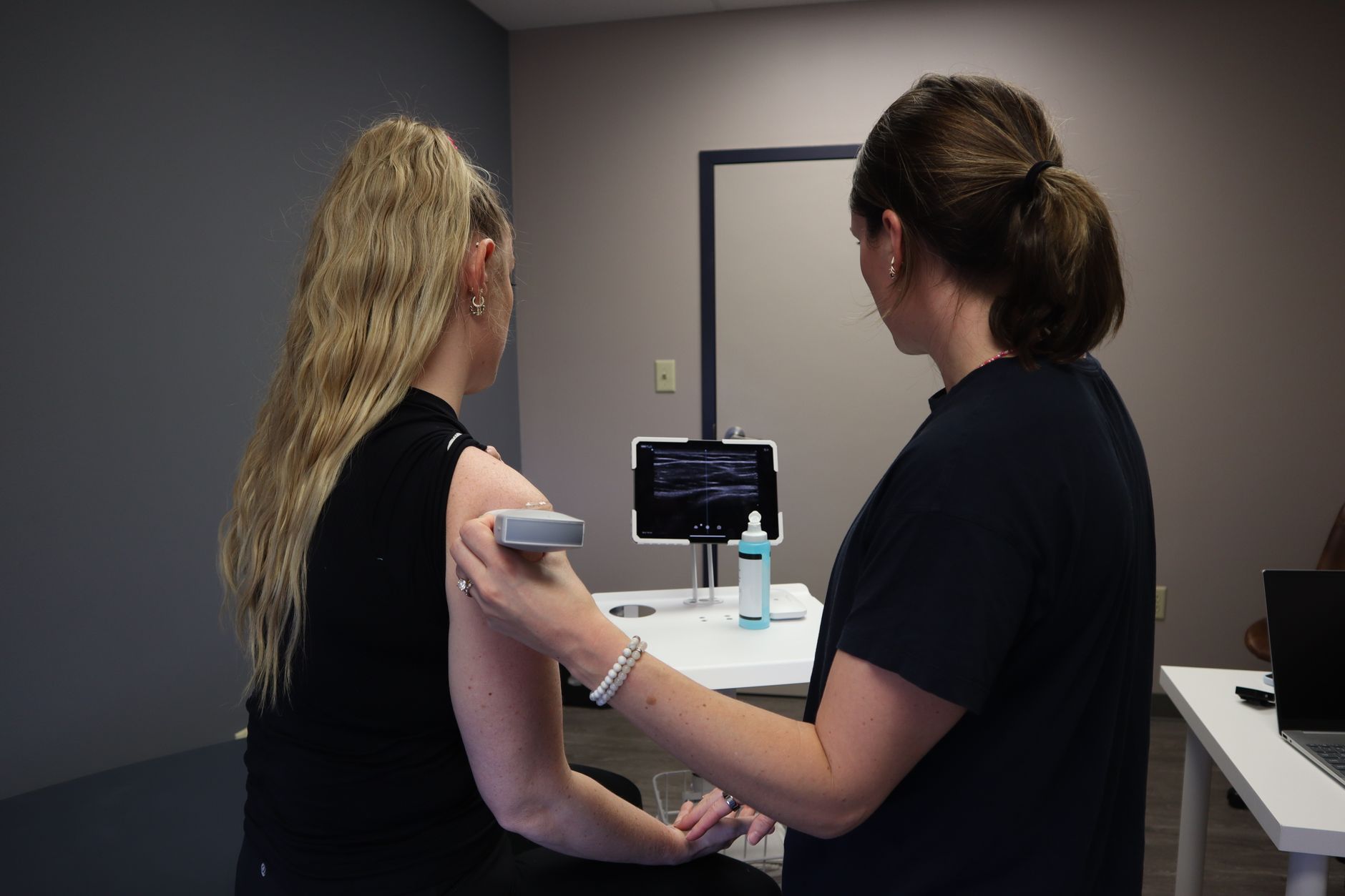
How to Tell the Difference on the Fly
In the gym, you’ll need a quick mental checklist to decide whether a pain is normal or needs attention. Here’s a simple framework you can use after every lift:
- Check the timing. Did the pain start immediately after the workout, or did it appear days later? Immediate sharp pain usually signals an injury.
- Assess the intensity. Soreness feels more like a dull ache; injury pain is often sharp or burning.
- Look for swelling or bruising. A small bruise or a noticeable puffiness around the joint points to an injury.
- Test the range of motion. If you can still move the joint freely and the pain eases, it’s likely DOMS. If movement is restricted, you might have a strain or sprain.
- Consider the location. A widespread ache in the quadriceps after a heavy squat is typical. Pain that’s only in the tendon near the knee suggests tendinitis.
Remember, soreness can be a sign that your body is adapting. If you’re feeling a normal ache, keep moving. If you’re unsure, a quick self‑massage or gentle stretch can help. But if the pain is sharp or doesn’t improve after a day, it’s time to pause.
Practical Tips and Common Mistakes
Now that you know how to spot the difference, let’s talk about how to manage each situation without blowing your budget.
- Don’t ignore the signs. A common mistake is to treat any pain as “just soreness.” That can lead to more serious damage. If you see swelling or sharp pain, stop and reassess.
- Use a foam roller or simple massage. Foam rolling is inexpensive and can help break up scar tissue and improve circulation for DOMS. Even a rolled-up towel can work.
- Apply the R.I.C.E. protocol for injuries. Rest, Ice, Compression, and Elevation are cheap and effective first steps. A reusable ice pack or a bag of frozen peas works wonders.
- Keep a pain log. Write down when the pain started, its intensity, and how it changes with activity. This simple habit can help you spot patterns and decide when to seek professional help.
- Don’t jump back into heavy lifting too soon. A good rule of thumb is to wait at least 48 hours before repeating the same movement that caused the pain.
- Prioritize recovery. Sleep and nutrition are the cheapest and most effective ways to speed healing. Aim for 7–9 hours of rest and a protein intake of 0.8–1.0 grams per pound of body weight.
- Use affordable mobility tools. Resistance bands, a yoga mat, and a basic set of ankle weights can replace expensive equipment for stretching and rehab.
- Educate yourself on proper form. A common beginner mistake is poor technique, which leads to injury. Use free online tutorials or a low‑cost session with a personal trainer to refine your form.
- Listen to your body. If you’re consistently experiencing pain after a particular exercise, consider swapping it for a lower‑impact alternative.
These steps keep you on track while avoiding unnecessary medical costs. In the long run, a little self‑care saves you time and money. For beginner workout tips, check out our guide on common mistakes.

Understanding the difference between muscle soreness and injury isn’t just a safety measure—it’s a key to smarter training. By recognizing when to push and when to pull back, you’ll build strength faster and stay healthy without breaking the bank. According to Harvard Health, proper recovery is essential for long‑term progress. Give yourself a chance to recover properly, and let the gains roll in. Happy lifting!